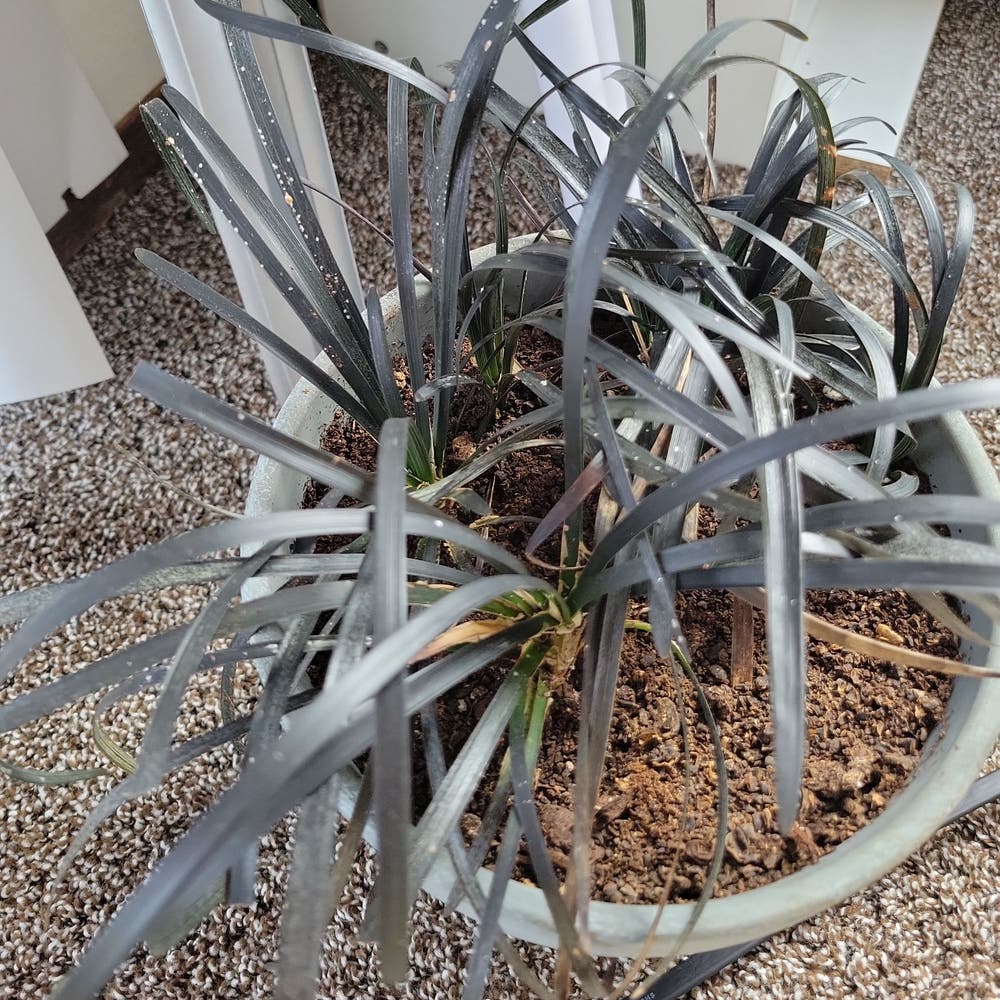
🐝 How and When to Pollinate Dwarf Mondo Grass
Ophiopogon japonicus 'Nana'
By the Greg Editorial Team
Oct 16, 2024•6 min read
This article was created with the help of AI so we can cover more plants for you. May contain errors. See one? Report it here.
- 🌼 Dwarf Mondo Grass blooms attract bees, butterflies, and hummingbirds for effective pollination.
- 🌱 Self and cross-pollination ensure seed production and genetic diversity in isolated areas.
- 🌞 Timing flowering in warmer months maximizes pollination opportunities with active pollinators.
Flower Structure
Description of Flower Characteristics 🌸
Dwarf Mondo Grass features small, tubular flowers that are a delight to behold. Typically, these flowers bloom in shades of white or pale lavender, creating a soft, inviting appearance.
The flowers are clustered together, which enhances their visibility to pollinators. This arrangement not only makes them more attractive but also increases the chances of successful pollination.
Role in Pollination 🐝
The unique structure of these flowers facilitates self-pollination. This means that Dwarf Mondo Grass can fertilize itself, ensuring seed production even in isolated conditions.
However, the flowers also attract various pollinators, making cross-pollination possible. Their design draws in species like bees and butterflies, which play a crucial role in enhancing genetic diversity.
In summary, the flower structure of Dwarf Mondo Grass is a perfect blend of self-sufficiency and allure, making it a fascinating subject for gardeners and nature enthusiasts alike. This dual role in pollination sets the stage for understanding the broader pollination process.
Pollination Process
Self-Pollination Explanation 🌱
Dwarf Mondo Grass has a unique ability to self-pollinate, meaning it can fertilize itself without needing another plant. This mechanism is crucial for ensuring seed production, especially in isolated environments where pollinators may be scarce.
Self-pollination guarantees that even in less-than-ideal conditions, the plant can still reproduce. This resilience is vital for maintaining populations in challenging habitats.
Cross-Pollination Explanation 🐝
While self-pollination is effective, cross-pollination plays a significant role in enhancing genetic diversity. This diversity is essential for the overall health and adaptability of plant populations.
Several pollinator species contribute to this process:
- Bees: They are the primary pollinators, transferring pollen between flowers as they forage.
- Butterflies: Attracted by the flower's color and nectar, they help in the pollination process.
- Moths and Hummingbirds: These creatures engage in nighttime and daytime pollination, respectively, ensuring a broad range of pollination activity.
Understanding these dynamics can help you appreciate the intricate relationships between plants and their pollinators. This knowledge sets the stage for exploring natural pollination mechanisms next.
Natural Pollination Mechanisms
🌬️ Mechanisms of Pollen Transfer
Dwarf Mondo Grass relies on both wind and insect activity for effective pollen transfer. The small, tubular flowers are designed to release pollen into the air, where it can be carried by gentle breezes or caught by visiting pollinators.
Insects play a crucial role, too. Bees, butterflies, and other pollinators are attracted to the flowers, facilitating the transfer of pollen as they move from bloom to bloom. This interaction not only aids in fertilization but also enhances the overall health of the plant.
⏰ Timing of Flowering
The timing of flowering is essential for maximizing pollination opportunities. Dwarf Mondo Grass typically blooms during warmer months, aligning with the active periods of its pollinators.
Seasonal variations can impact when and how effectively these plants are pollinated. Understanding these cycles helps gardeners optimize conditions for successful reproduction.
🌱 Importance for Reproduction and Genetic Diversity
Pollination is vital for seed viability and overall plant health. Successful pollination leads to the production of seeds, ensuring the continuation of the Dwarf Mondo Grass population.
Moreover, pollinators contribute significantly to genetic diversity within plant populations. This diversity enhances resilience, allowing plants to adapt to changing environmental conditions and thrive in various settings.
In summary, the natural pollination mechanisms of Dwarf Mondo Grass are essential for its reproduction and genetic health. By fostering a supportive environment for pollinators, gardeners can enhance these processes and enjoy a thriving landscape.
Next, we will explore hand pollination techniques to further ensure the success of your Dwarf Mondo Grass.
Hand Pollination Techniques
Hand pollination can be a rewarding way to ensure the successful reproduction of Dwarf Mondo Grass. Here’s a straightforward guide to help you navigate this process.
Step 1: Identifying Male and Female Flower Parts 🌸
First, you need to recognize the different flower parts. The male components are the stamens, which produce the pollen. The female parts are the pistils, responsible for receiving the pollen.
Step 2: Collecting Pollen 🍯
Next, it’s time to gather that precious pollen. Gently remove pollen from the male flowers using a small brush or your fingertip. Be careful not to damage the flower while doing this.
Step 3: Transferring Pollen 🔄
Now, transfer the collected pollen to the female flowers. You can use the same brush or your finger to apply the pollen directly onto the pistils. Make sure to cover them well for the best chance of fertilization.
Step 4: Ensuring Successful Fertilization ⏰
Timing is crucial for optimal results. Pollinate during the early morning or late afternoon when temperatures are moderate. This helps ensure that the pollen is viable and ready for fertilization.
By following these steps, you can effectively hand-pollinate Dwarf Mondo Grass, enhancing its growth and ensuring a vibrant garden.
Next, let’s explore how to create a pollinator-friendly environment to support these beautiful plants.
Supporting Pollinators
🌼 Creating a Pollinator-Friendly Environment
To attract pollinators, planting native flowers is essential. Native plants are adapted to local conditions and provide the right resources for bees, butterflies, and other beneficial insects.
Additionally, providing water sources like birdbaths or shallow dishes can make your garden a haven for thirsty pollinators. Even a small water feature can significantly enhance the appeal of your space.
🌱 Suggested Companion Plants
Certain plants thrive alongside Dwarf Mondo Grass and can attract beneficial insects. Consider planting lavender, coneflower, or black-eyed Susan; these not only beautify your garden but also serve as magnets for pollinators.
Companion planting offers numerous benefits, including improved overall garden health. By fostering a diverse ecosystem, you enhance the resilience of your plants and support a thriving pollinator community.
Creating a welcoming environment for pollinators is vital for the health of your garden. With the right plants and resources, you can ensure that these essential creatures have everything they need to flourish.
Next, let’s explore the challenges pollinators face and how you can help overcome them.
Pollination Challenges and Solutions
Common Obstacles 🌪️
Pollination can be hindered by various environmental factors. Temperature fluctuations and humidity levels significantly impact the success of pollination in Dwarf Mondo Grass.
Another challenge is the lack of pollinators. Understanding why pollinator activity may decline is crucial for effective gardening.
Solutions for Overcoming Challenges 🌼
To enhance pollinator presence, consider planting a variety of native flowers. This diversity attracts a wider range of pollinators, boosting your garden's health.
Adjusting care practices can also improve pollination outcomes. Regularly monitoring plant health and providing adequate water can create a more inviting environment for pollinators.
Impact of Environmental Factors 🌍
Drought tolerance plays a significant role in reproductive success. Plants that can withstand dry conditions may still thrive, but they might produce fewer seeds.
Low light conditions can also affect pollination dynamics. Seasonal variations, such as early blooms or late frosts, can disrupt the timing of pollination, impacting overall plant health.
By addressing these challenges, you can create a thriving ecosystem that supports Dwarf Mondo Grass and its pollinators. This proactive approach not only enhances your garden but also contributes to the broader environment.
⚠️ Safety First
This content is for general information and may contain errors, omissions, or outdated details. It is not medical, veterinary advice, or an endorsement of therapeutic claims.
Always consult a qualified healthcare professional before using any plant as food, medicine, or supplement.
Never eat any plant (or feed one to pets) without confirming its identity with at least two trusted sources.
If you suspect poisoning, call Poison Control (800) 222-1222, the Pet Poison Helpline (800) 213-6680, or your local emergency service immediately.
Spotted an error? Please report it here.
Boost your Dwarf Mondo Grass's health and attract pollinators 🌿 effortlessly with Greg's personalized care tips and reminders for a thriving garden ecosystem!