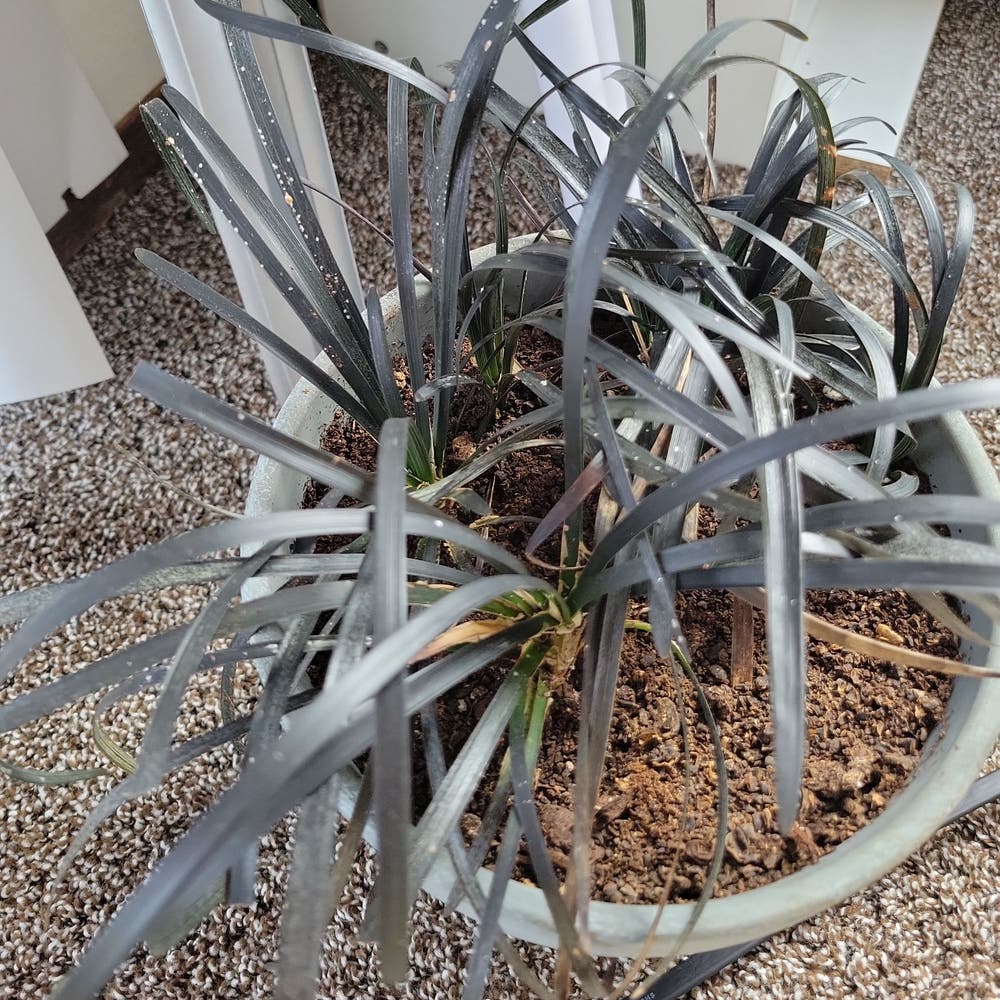
How to Cure Curling Leaves on Your Dwarf Mondo Grass 🐞
Ophiopogon japonicus 'Nana'
By the Greg Editorial Team
Oct 16, 2024•7 min read
This article was created with the help of AI so we can cover more plants for you. May contain errors. See one? Report it here.
- 🌊 Curling leaves result from overwatering, underwatering, pests, or nutrient deficiencies.
- 🐜 Pest control with neem oil effectively manages infestations without harming beneficial insects.
- 🌱 Regular inspections and proper watering schedules prevent curling leaves and promote health.
Causes of Curling Leaves
💧 Overwatering and Its Effects
Overwatering can lead to several alarming symptoms, including yellowing leaves, mushy roots, and a foul smell emanating from the soil. These signs indicate that your Dwarf Mondo Grass is struggling, primarily due to root rot, which occurs when excess moisture decays the roots.
To prevent this, ensure you use well-draining soil. Consider amendments like sand or perlite to enhance drainage and keep your grass healthy.
🌵 Underwatering and Drought Stress
On the flip side, underwatering presents its own set of challenges. Look for signs such as leaf curling, browning tips, and dry soil, which indicate your grass is thirsty.
Prolonged drought stress can weaken your Dwarf Mondo Grass significantly. To maintain optimal moisture levels, establish a consistent watering frequency, adjusting based on weather conditions.
🐜 Pest Infestations
Common Pests
Aphids are notorious for causing leaf curling. These tiny pests can be identified by their green or black color and the sticky residue they leave behind.
Spider mites are another concern. They often go unnoticed until their damage becomes evident, leading to weakened grass health and further curling of leaves.
Pest Control for Grass
For organic pest control, consider using neem oil or insecticidal soap. These methods are effective and safe for your grass.
If infestations are severe, chemical treatments may be necessary. Always follow safety precautions to protect beneficial insects and the environment.
🌱 Nutrient Deficiencies
Key Nutrients
Nitrogen plays a crucial role in leaf health and growth. Signs of nitrogen deficiency include pale leaves and stunted growth.
Potassium is equally important for overall plant vigor. A lack of potassium can manifest as browning leaf tips and poor resilience.
Fertilizer Recommendations
When it comes to fertilizers, both slow-release and quick-release options have their place. Choose based on your grass's specific needs and the timing of application to maximize effectiveness.
🌡️ Environmental Stressors
Temperature Fluctuations
Dwarf Mondo Grass thrives in temperatures between 60°F and 75°F (15°C to 24°C). Extreme temperatures can lead to stress, causing leaves to curl and lose their vitality.
Humidity Levels
Humidity is vital for the health of your grass. Optimal humidity levels help prevent leaf curling and browning, while low humidity can lead to significant stress.
By understanding these causes of curling leaves, you can take proactive steps to ensure your Dwarf Mondo Grass remains lush and vibrant. Next, we’ll explore how to diagnose these issues effectively.
Diagnosing Curling Leaves
🌊 Identifying Symptoms of Overwatering
Overwatering can manifest through distinct visual cues. Look for yellowing leaves, mushy roots, and a foul smell emanating from the soil.
To confirm overwatering, perform a soil moisture test. Stick your finger into the soil; if it feels soggy, it's time to adjust your watering habits.
💧 Recognizing Signs of Underwatering
Underwatering presents its own set of symptoms. Curling leaves and browning tips are clear indicators that your Dwarf Mondo Grass is thirsty.
Check the soil dryness by digging a little into the top layer. If it feels dry and crumbly, your grass needs a drink.
🐛 Checking for Pests and Their Damage
Pests can wreak havoc on your grass, so regular inspections are crucial. Look closely at the leaves and soil for any signs of infestations.
Assess the damage by examining the extent of leaf curling and discoloration. Identifying pests early can save your grass from severe damage.
🌱 Assessing Soil Quality and Drainage
Soil quality plays a vital role in plant health. Conduct soil testing to evaluate drainage and nutrient content effectively.
Consider soil amendments if your soil lacks structure. Adding organic matter or sand can significantly improve drainage and overall health.
🌤️ Evaluating Environmental Conditions
Environmental factors can affect your grass's well-being. Monitor temperature and humidity using simple tools like thermometers and hygrometers.
Adjust your care routine based on seasonal changes. Being proactive can help maintain optimal conditions for your Dwarf Mondo Grass.
Understanding these diagnostic steps is essential for maintaining healthy grass. Next, we’ll explore treatment options to address the issues you've identified.
Treatment Options
🌊 Adjusting Watering Practices
Establishing a consistent watering schedule is crucial for Dwarf Mondo Grass. Water deeply but infrequently, ensuring the soil is moist but not soggy.
To achieve this, consider the weather and soil conditions. During hot spells, you may need to increase frequency, while cooler, rainy periods require less watering.
🏞️ Improving Soil Drainage
Soil drainage is vital for healthy grass. Adding amendments like sand, perlite, or organic matter can significantly enhance drainage capabilities.
Consider using raised beds or proper potting techniques to improve drainage. This helps prevent waterlogging, which can lead to root rot.
🌱 Applying Appropriate Fertilizers
Choosing the right fertilizer is essential for vibrant growth. Look for balanced NPK ratios that cater to the specific needs of Dwarf Mondo Grass.
When applying fertilizers, follow the manufacturer's instructions for effective results. This ensures your grass receives the nutrients it needs without the risk of over-fertilization.
🐞 Pest Control Methods
🌿 Organic Options
For those who prefer natural solutions, neem oil is a fantastic choice. Apply it by mixing with water and spraying directly onto affected areas.
Additionally, introducing beneficial insects, like ladybugs, can help control pest populations naturally. They act as natural predators, keeping harmful pests at bay.
⚗️ Chemical Options
Sometimes, chemical treatments are necessary. Use pesticides only when infestations are severe, following guidelines for safe application.
Always take precautions to protect beneficial insects and the environment. This balance is key to maintaining a healthy ecosystem around your grass.
🌤️ Environmental Adjustments
Managing environmental conditions can greatly benefit your Dwarf Mondo Grass. Providing adequate shade during hot weather helps prevent leaf curling.
Humidity control is equally important. Use techniques like misting or placing water trays nearby to maintain optimal humidity levels for your grass.
With these treatment options, you can effectively address curling leaves and promote a thriving Dwarf Mondo Grass lawn. Next, let's explore preventive measures to keep your grass healthy year-round.
Preventive Measures
Best Watering Practices 🌊
Establishing a consistent watering routine is crucial for the health of your Dwarf Mondo Grass. Aim to water deeply but less frequently, allowing the soil to dry out slightly between sessions.
Look for signs of proper watering, such as vibrant green leaves and moist soil at a depth of about an inch. If the leaves appear lush and the soil feels damp, you're on the right track.
Soil Amendments for Better Drainage 🏞️
To improve drainage, consider adding materials like sand, perlite, or organic matter. These amendments help prevent water from pooling around the roots, reducing the risk of root rot.
Incorporate these amendments into your existing soil by mixing them thoroughly. This will enhance soil structure and promote healthier root growth.
Regular Pest Monitoring and Control 🐞
Regularly inspecting your plants for pests is essential. Aim to check your Dwarf Mondo Grass at least once a week to catch any infestations early.
Utilize integrated pest management strategies, combining organic and chemical methods as needed. This balanced approach ensures effective control while minimizing harm to beneficial insects.
Seasonal Care Tips 🌦️
Adjust your care routine based on the seasons. In spring, focus on fertilization and watering; during summer, ensure adequate shade and moisture.
Don't forget about fall and winter! These seasons require different care strategies, such as reducing watering frequency and preparing your grass for colder temperatures.
Fertilization Schedule 📅
A well-planned fertilization timeline can make a significant difference. Fertilize your Dwarf Mondo Grass in early spring and again in mid-summer for optimal growth.
Choose between slow-release and fast-acting fertilizers based on your specific needs. Slow-release options provide nutrients over time, while fast-acting fertilizers deliver immediate results.
By implementing these preventive measures, you can maintain the health of your Dwarf Mondo Grass and minimize the risk of curling leaves. Next, let’s explore treatment options to address any existing issues.
⚠️ Safety First
This content is for general information and may contain errors, omissions, or outdated details. It is not medical, veterinary advice, or an endorsement of therapeutic claims.
Always consult a qualified healthcare professional before using any plant as food, medicine, or supplement.
Never eat any plant (or feed one to pets) without confirming its identity with at least two trusted sources.
If you suspect poisoning, call Poison Control (800) 222-1222, the Pet Poison Helpline (800) 213-6680, or your local emergency service immediately.
Spotted an error? Please report it here.
Keep your Dwarf Mondo Grass curl-free 🌿 by using Greg's tailored watering reminders and pest management tips to ensure it thrives in any environment!