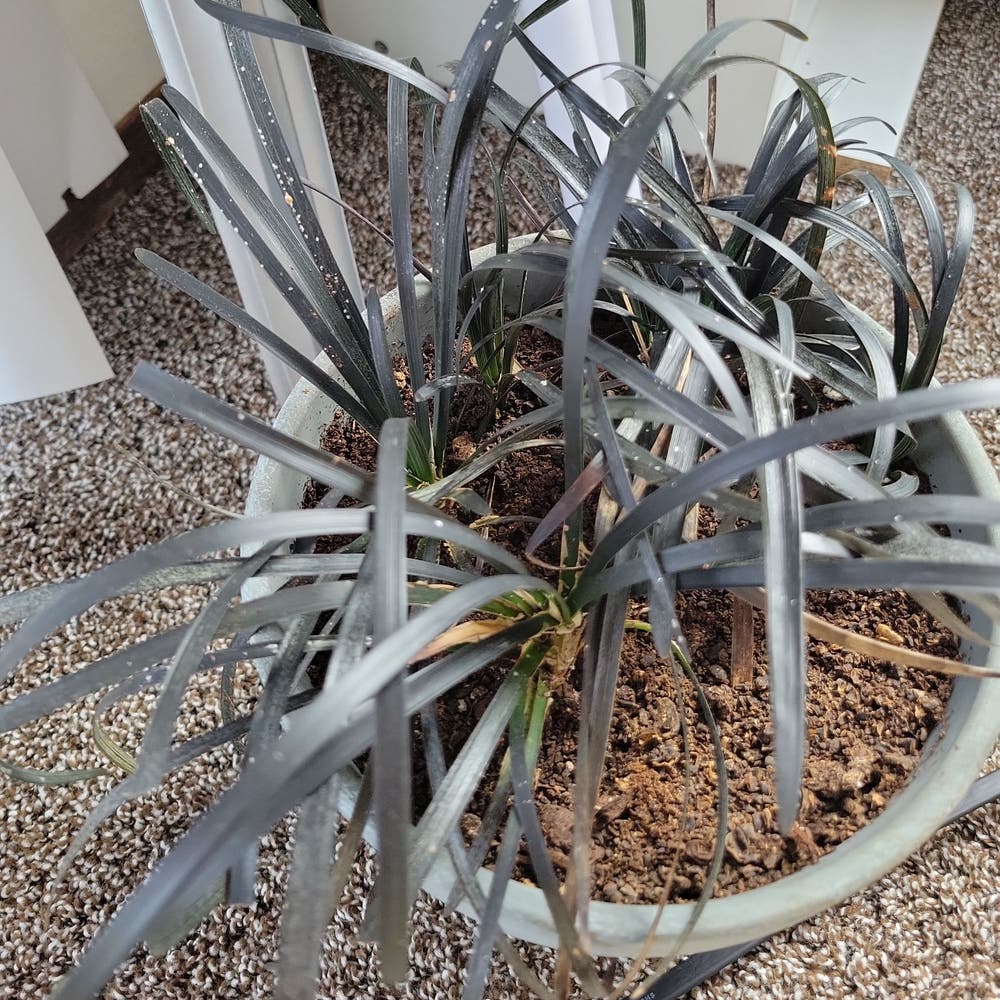
🔍 Understanding Brown Spots on Your Dwarf Mondo Grass Leaves
Ophiopogon japonicus 'Nana'
By the Greg Editorial Team
Oct 16, 2024•6 min read
This article was created with the help of AI so we can cover more plants for you. May contain errors. See one? Report it here.
- 🌱 Brown spots on dwarf mondo grass stem from fungi, pests, or nutrient issues.
- 💧 Overwatering causes root rot, leading to wilting and brown spots on leaves.
- 🐜 Pests like scale insects and aphids create sticky residue, indicating damage.
Causes of Brown Spots
🦠 Fungal Infections
Fungal infections are a primary culprit behind brown spots on your dwarf mondo grass. Leaf spot disease manifests as small, dark brown spots surrounded by yellow halos, indicating a serious issue.
Another common problem is root rot, which occurs due to overwatering. This condition leads to brown spots and wilting, making it crucial to monitor your watering habits.
Conditions that Promote Fungal Growth
High humidity and poor air circulation create an ideal environment for fungal growth. Keeping your grass well-ventilated can help mitigate these risks.
🥦 Nutrient Deficiencies
Nutrient deficiencies can also lead to unsightly brown spots. Nitrogen is essential for leaf growth; when deficient, it causes yellowing and brown spots to appear.
Potassium plays a vital role in overall plant health, and a lack of it can result in browning at the leaf tips.
Signs of Nutrient Deficiency
Look for general discoloration and stunted growth as indicators of nutrient deficiencies. Regularly assessing your grass's health can help you catch these issues early.
🐛 Pest Infestations
Pests can wreak havoc on your dwarf mondo grass, leading to brown spots. Scale insects are small, brown, shell-like pests that suck sap from leaves, causing damage over time.
Aphids, on the other hand, are tiny green or black insects that can cause leaf curling and discoloration.
Signs of Pest Damage
Keep an eye out for sticky residue on leaves, known as honeydew, which indicates pest activity. Visible insects on your grass are another clear sign that you need to take action.
Understanding these causes is the first step in addressing brown spots effectively. Next, we’ll explore how to diagnose the problem accurately.
Diagnosing the Problem
🌱 Assessing Soil Conditions
Soil Moisture Levels
Maintaining the right soil moisture is crucial for your dwarf mondo grass. Ideally, the soil should be consistently moist but not waterlogged, as excess water can lead to root rot.
To measure soil moisture, you can use a soil moisture meter for accuracy or simply perform a finger test. Insert your finger into the soil; if it feels damp up to your first knuckle, you're in good shape!
pH Balance
The pH level of your soil significantly impacts grass health. For optimal growth, aim for a pH range of 6.0 to 7.0.
You can test your soil's pH using home soil test kits or by sending samples to a professional lab. Regular testing helps you maintain the right balance for your grass.
🐛 Identifying Pests
Common Pests
Pests can wreak havoc on your dwarf mondo grass, so it's essential to identify them early. Scale insects are small, brown, shell-like pests that suck sap from leaves, while aphids are tiny green or black insects that can cause leaf curling and discoloration.
Keep an eye out for other potential pests like spider mites and mealybugs. Their presence can lead to significant damage if not addressed promptly.
By understanding soil conditions and identifying pests, you can take proactive steps to ensure your dwarf mondo grass remains healthy and vibrant. Next, we’ll explore effective treatment options to tackle these issues head-on.
Treatment Options
🌱 Fungal Treatment Methods
Recommended Fungicides
When dealing with fungal infections on your dwarf mondo grass, specific fungicides can be your best allies. Look for products that target common diseases like leaf spot and root rot.
Timing is crucial for application. Generally, you should apply fungicides during the early morning or late afternoon to avoid burning the grass. Follow the manufacturer's instructions for frequency to ensure maximum effectiveness.
Organic Treatment Options
If you prefer a more natural approach, consider using neem oil or baking soda solutions. These natural fungicides can effectively combat fungal issues without harsh chemicals.
For application, you can spray these solutions directly onto the affected leaves or use soil drenching techniques to target root issues. Regular applications can help maintain a healthy lawn.
🌿 Nutrient Supplementation
Fertilizers to Use
To keep your dwarf mondo grass thriving, balanced NPK fertilizers are essential. These fertilizers provide the necessary nitrogen, phosphorus, and potassium for robust growth.
Timing your applications is key. Fertilize during the growing season, ideally in spring and early summer, to ensure optimal nutrient uptake.
How to Amend Soil Deficiencies
Organic amendments like compost and well-rotted manure can significantly improve soil health. These additions not only provide nutrients but also enhance soil structure.
Regular soil testing is vital to identify deficiencies. Knowing your soil's nutrient profile helps you make informed decisions about amendments.
🐛 Pest Control Strategies
Chemical vs. Organic Pest Control
When it comes to pest management, both chemical and organic options have their pros and cons. Chemical treatments can be effective but may pose risks to beneficial insects and the environment.
On the other hand, organic methods, while often gentler, may require more frequent applications. Research recommended products to find the best fit for your pest issues.
Preventative Measures
Prevention is always better than cure. Regular monitoring of your grass can help you catch problems early, allowing for timely intervention.
Consider companion planting and introducing beneficial insects to create a balanced ecosystem. These strategies can reduce pest populations naturally and keep your grass healthy.
With these treatment options in hand, you're well-equipped to tackle any issues that arise with your dwarf mondo grass. Next, let’s explore how to monitor and maintain your grass for long-term health.
Monitoring and Maintenance
Regular Inspection of Grass Health 🌱
Keeping a close eye on your dwarf mondo grass is essential for early detection of issues. Regular visual inspections can help you spot discoloration or texture changes before they escalate.
Aim to check your grass weekly during the growing season. This routine will allow you to catch any problems early, ensuring your grass remains healthy and vibrant.
Long-term Care Strategies 🌿
Maintaining Optimal Growing Conditions 🌞
Consistent care is crucial for the health of your grass. Regular watering, appropriate fertilization, and effective pest management create a thriving environment.
Adjust your care routine based on seasonal needs. For instance, during hotter months, you may need to increase watering frequency, while in cooler months, you might focus more on fertilization.
By staying proactive and attentive, you can maintain lush, green dwarf mondo grass that enhances your landscape. This ongoing commitment will pay off, keeping your grass healthy and resilient against potential threats.
⚠️ Safety First
This content is for general information and may contain errors, omissions, or outdated details. It is not medical, veterinary advice, or an endorsement of therapeutic claims.
Always consult a qualified healthcare professional before using any plant as food, medicine, or supplement.
Never eat any plant (or feed one to pets) without confirming its identity with at least two trusted sources.
If you suspect poisoning, call Poison Control (800) 222-1222, the Pet Poison Helpline (800) 213-6680, or your local emergency service immediately.
Spotted an error? Please report it here.
Combat those pesky brown spots on your dwarf mondo grass with Greg's tailored care tips 🌱, ensuring your grass stays lush and healthy while you enjoy a thriving garden!