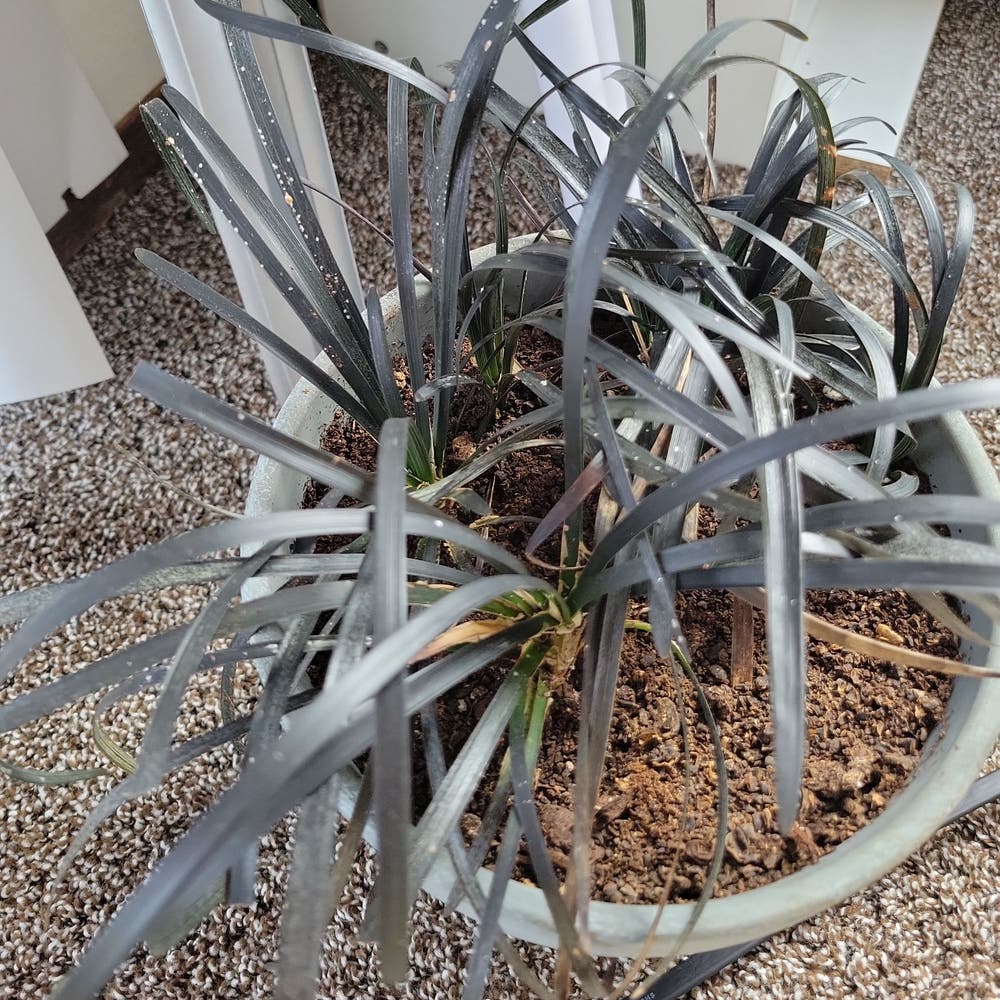
✂️ When and Where to Trim Your Dwarf Mondo Grass
Ophiopogon japonicus 'Nana'
By the Greg Editorial Team
Oct 16, 2024•5 min read
This article was created with the help of AI so we can cover more plants for you. May contain errors. See one? Report it here.
- 🌱 Trim dwarf mondo grass in spring and fall for optimal health and appearance.
- ✂️ Look for yellowing leaves and overgrowth as signs it's time to prune.
- 🧤 Use sharp tools and gentle techniques to avoid stressing the plant during trimming.
When to Trim
🌱 Best Seasons for Pruning
Spring is the prime time for trimming your dwarf mondo grass. Late March to early April is ideal, just before new growth begins, allowing you to remove any winter damage and encourage fresh, vibrant growth.
Fall is another crucial season for pruning. Late September to early October is the perfect window, as it comes after flowering has finished, helping to prepare the plant for winter while removing spent foliage.
✂️ Signs That Indicate It's Time to Prune
Keep an eye out for yellowing or browning leaves. These are clear indicators of dead or damaged foliage that needs attention.
Overgrowth is another sign that it's time to prune. If your plant starts encroaching on surrounding areas, it’s a good cue to take action.
Lastly, a sparse appearance in the center of the plant suggests it’s time for some trimming. A thin or bare center can detract from the overall health and aesthetics of your dwarf mondo grass.
With these signs in mind, you can keep your dwarf mondo grass thriving and looking its best. Next, let’s explore how to effectively prune your plants for optimal results.
How to Prune
Pruning your dwarf mondo grass is a straightforward process that can significantly enhance its health and appearance. Follow these easy steps to ensure your plant thrives.
Step-by-Step Pruning Instructions 🌱
Assess the plant: Start by identifying areas that need attention. Look for dead or damaged leaves and overgrown sections.
Gather tools: Use sharp, clean pruning shears or scissors. Having the right tools makes a world of difference.
Remove dead or damaged leaves: Cut at the base of the leaf, close to the crown. This helps the plant focus energy on new growth.
Shape the plant: Trim back overgrown areas to maintain your desired size. Aim for a uniform shape by cutting evenly around the plant.
Clean up: Collect and dispose of cuttings to prevent disease. A tidy workspace is essential for plant health.
Recommended Tools for Effective Pruning 🔧
- Pruning shears: Ideal for precise cuts on thicker foliage.
- Scissors: Perfect for delicate trimming of smaller leaves.
- Gloves: Protect your hands from sharp edges while working.
Techniques for Shaping and Maintaining Size ✂️
Regularly assess growth: Keep an eye on your plant and prune as needed to maintain its shape. This proactive approach keeps your grass looking its best.
Use a light touch: Avoid cutting too much at once to prevent stress. A gentle hand goes a long way in keeping your plant healthy.
With these pruning techniques, your dwarf mondo grass will flourish, showcasing its vibrant green leaves. Next, let’s explore where to focus your trimming efforts for optimal results.
Where to Trim
🌿 Identifying Areas to Focus on During Pruning
When pruning your dwarf mondo grass, start by targeting dead or damaged leaves. These are the first indicators that your plant needs attention.
Next, focus on the outer edges. Trimming these areas helps maintain the plant's shape and prevents overcrowding, allowing for better air circulation and light penetration.
✂️ How to Handle Overgrown Patches
For overgrown patches, take a gradual approach. Trim back these areas in stages to avoid shocking the plant, which can lead to stress and hinder growth.
If a patch has become excessively large, consider dividing the plant. This not only helps manage size but also promotes healthier growth by giving each section more space to thrive.
By following these guidelines, you'll keep your dwarf mondo grass looking its best and encourage robust growth. Now, let’s explore the importance of deadheading to further enhance your plant's health.
Deadheading
Rationale for Deadheading 🌼
Deadheading is essential for keeping your dwarf mondo grass looking its best. By removing spent flowers, you not only enhance the plant's appearance but also encourage new growth.
Step-by-Step Instructions for Deadheading ✂️
Identify spent flowers: Look for brown or wilted blooms that detract from the plant's beauty.
Use clean pruning shears: Cut the flower stem back to the base to promote healthy regrowth.
Dispose of cut flowers: Proper disposal prevents potential disease spread and keeps your garden tidy.
Deadheading is a simple yet effective way to maintain the vitality of your dwarf mondo grass. With just a few steps, you can ensure your plants thrive and look their best.
Next, let’s explore common pruning mistakes to avoid, ensuring your gardening efforts yield the best results.
Common Pruning Mistakes
🛑 Mistakes to Avoid When Pruning
Pruning can be a delicate balance, and there are common pitfalls to watch out for.
Over-pruning is a major concern; removing too much foliage can stress your dwarf mondo grass, leading to stunted growth or even plant death.
Ignoring seasonal timing is another mistake that can hinder your plant's health. Pruning at the wrong time can disrupt its natural growth cycle, making it less resilient.
🔧 How to Correct Pruning Errors
If you find yourself in the unfortunate position of having over-pruned, don’t panic.
Assess the damage and allow the plant to recover naturally; it may take some time, but your grass will bounce back.
To avoid repeating mistakes, adjust your future pruning practices by sticking to seasonal guidelines. This will help ensure your dwarf mondo grass remains healthy and vibrant.
With a little care and attention, you can keep your plants thriving and looking their best.
⚠️ Safety First
This content is for general information and may contain errors, omissions, or outdated details. It is not medical, veterinary advice, or an endorsement of therapeutic claims.
Always consult a qualified healthcare professional before using any plant as food, medicine, or supplement.
Never eat any plant (or feed one to pets) without confirming its identity with at least two trusted sources.
If you suspect poisoning, call Poison Control (800) 222-1222, the Pet Poison Helpline (800) 213-6680, or your local emergency service immediately.
Spotted an error? Please report it here.
Keep your dwarf mondo grass thriving 🌱 by using Greg's tailored reminders to prune at the right time and promote robust growth!