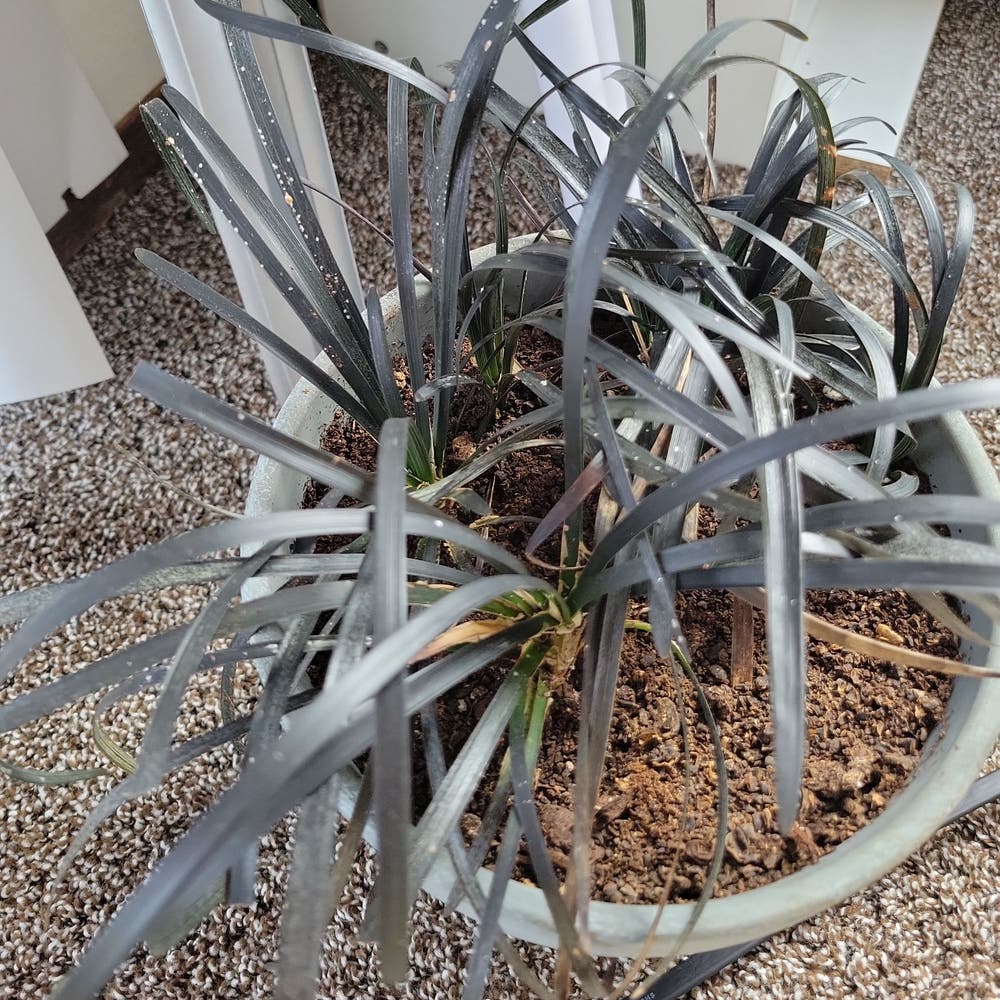
4 Tips for Identifying Pests on Dwarf Mondo Grass 🐞
Ophiopogon japonicus 'Nana'
By the Greg Editorial Team
Oct 16, 2024•6 min read
This article was created with the help of AI so we can cover more plants for you. May contain errors. See one? Report it here.
- 🕷️ Identify spider mites by fine webbing and stippled leaves on Dwarf Mondo Grass.
- 🍯 Sticky leaves indicate scale insects, which weaken your grass and leave honeydew residue.
- 🌱 Regular inspections catch pests early, ensuring healthier Dwarf Mondo Grass.
Common Pests Affecting Dwarf Mondo Grass
🕷️ Spider Mites
Identification
Spider mites are tiny, spider-like creatures, often red or green. Look for fine webbing on leaves and stippled or discolored foliage as telltale signs.
Damage Caused
These pests can cause yellowing leaves and reduced vigor, leading to an overall decline in health. If left unchecked, your Dwarf Mondo Grass may struggle to thrive.
Treatment Options
For chemical solutions, use miticides specifically targeting spider mites. Organic options include neem oil, insecticidal soap, and increasing humidity around the plants.
🐞 Scale Insects
Identification
Scale insects appear as small, oval-shaped pests with waxy or hard shells. Signs include sticky leaves and honeydew residue, which can be quite noticeable.
Damage Caused
These pests weaken the plant, often resulting in leaf drop and stunted growth. Your Dwarf Mondo Grass may not flourish if scale insects are present.
Treatment Options
Chemical treatments involve systemic insecticides that penetrate the plant. For organic methods, consider horticultural oil and manual removal of the insects.
🦟 Fungus Gnats / Fruit Flies
Identification
Fungus gnats are small, dark flies that hover near the soil. You may also notice larvae visible in the soil, which can cause root damage.
Damage Caused
These pests can lead to root rot and weakened plants due to their feeding habits. Healthy roots are essential for your grass's vitality.
Treatment Options
Chemical solutions include insecticides targeting adult flies. Organic methods involve using sticky traps and beneficial nematodes to control the population.
🐛 Mealybugs
Identification
Mealybugs are identifiable by their white, cottony masses on leaves and stems. Sticky leaves and potential sooty mold growth are also signs of their presence.
Damage Caused
These pests cause nutrient depletion, leading to yellowing and wilting of your Dwarf Mondo Grass. They can significantly impact the plant's overall health.
Treatment Options
For chemical control, use insecticidal soap or systemic treatments. Organic approaches include applying rubbing alcohol and introducing natural predators.
🐜 Aphids
Identification
Aphids are small, pear-shaped insects, often green or black. Look for curling leaves and sticky residue, known as honeydew, as indicators of an infestation.
Damage Caused
These pests can stunt growth and potentially transmit plant viruses. Early detection is key to preventing serious damage.
Treatment Options
Chemical treatments include broad-spectrum insecticides. For organic solutions, ladybugs, neem oil, and insecticidal soap are effective options.
🦋 Whiteflies
Identification
Whiteflies are tiny, white, moth-like insects that can be easily spotted. Signs include leaves turning yellow and a sticky residue on the foliage.
Damage Caused
These pests weaken the plant and reduce photosynthesis, which is vital for growth. Your Dwarf Mondo Grass may struggle to thrive if whiteflies are present.
Treatment Options
Chemical options include insecticides specifically targeting whiteflies. Organic methods involve using yellow sticky traps and introducing parasitic wasps.
🐞 Weevils
Identification
Weevils are small, elongated beetles with distinctive snouts. Look for holes in leaves and potential root damage as signs of their activity.
Damage Caused
These pests cause both leaf and root damage, leading to plant stress. Your Dwarf Mondo Grass may exhibit signs of distress if weevils are not managed.
Treatment Options
For chemical control, use insecticides targeting adult weevils. Organic methods include handpicking and introducing beneficial insects to your garden.
Understanding these common pests is crucial for maintaining the health of your Dwarf Mondo Grass. With proper identification and treatment options, you can keep your grass thriving and beautiful. Next, let’s explore the natural pest resistance characteristics of Dwarf Mondo Grass.
Pest Resistance
🌱 Natural Pest Resistance Characteristics
Dwarf Mondo Grass boasts inherent resistance traits that make it a resilient choice for gardeners. Under optimal conditions, this hardy plant can fend off many common pests, allowing it to thrive with minimal intervention.
🐛 Pests Less Likely to Affect Dwarf Mondo Grass
While no plant is entirely pest-proof, certain pests are less likely to impact Dwarf Mondo Grass. This plant's robust nature helps it withstand various environmental stresses, making it a reliable option for your garden.
By understanding these resistance characteristics, you can appreciate the resilience of Dwarf Mondo Grass and make informed choices in your gardening practices. Next, let’s explore effective prevention strategies to keep your grass healthy and pest-free.
Prevention Strategies
🛡️ Preventative Measures to Avoid Infestations
Regular monitoring is crucial for keeping your Dwarf Mondo Grass healthy. Early detection of pests can save your plants from significant damage.
Maintaining optimal plant conditions is equally important. Healthy plants are more resilient and can better withstand pest pressures.
🧼 Tips on Plant Hygiene and Inspection Routines
Clean your tools and equipment regularly to prevent pest transfer. This simple step can make a big difference in keeping your garden pest-free.
Routine checks for signs of pests are essential, especially in humid conditions. Look closely at leaves and soil to catch any issues before they escalate.
By implementing these strategies, you can create a thriving environment for your Dwarf Mondo Grass and minimize the risk of infestations. Next, let’s explore general pest management techniques to further protect your plants.
General Pest Management
Integrated Pest Management (IPM) Principles 🌱
Integrated Pest Management (IPM) is a holistic approach to pest control that emphasizes prevention and monitoring. For Dwarf Mondo Grass, IPM combines cultural, biological, and chemical controls to create a balanced ecosystem.
Cultural practices include proper watering and fertilization, which strengthen plant health and resilience. Biological controls involve introducing natural predators, while chemical options should be used judiciously to minimize harm to beneficial insects.
Importance of Early Detection and Intervention 🔍
Recognizing early signs of pest infestations is crucial for maintaining the health of your Dwarf Mondo Grass. Look for subtle changes, such as discoloration or unusual leaf patterns, which can indicate a problem.
Prompt action can prevent severe damage and costly treatments later on. By staying vigilant, you can protect your plants and ensure they thrive in their environment.
In the next section, we’ll explore how to distinguish between similar pests, enhancing your ability to identify and manage them effectively.
Distinguishing Between Similar Pests
🕵️♂️ Tips for Identifying Similar-Looking Pests
Identifying pests can be tricky, especially when they share similar appearances. Focus on key characteristics like size, color, and body shape to differentiate between them.
Close inspection is crucial. Understanding the life cycles of these pests can also provide insights into their behavior and help you spot them more easily.
🔍 Visual Cues and Characteristics to Differentiate Pests
When examining your Dwarf Mondo Grass, look for specific features that can help you identify common pests. For instance, spider mites may leave fine webbing, while mealybugs appear as white, cottony masses.
Utilizing pest pictures can be a game-changer. Comparing your findings with images can enhance your identification skills and ensure you're addressing the right issue.
Recognizing these differences not only helps in effective pest management but also fosters a deeper connection with your plants. With this knowledge, you can take proactive steps to protect your Dwarf Mondo Grass from potential threats.
Next, let’s explore effective prevention strategies to keep your plants thriving.
⚠️ Safety First
This content is for general information and may contain errors, omissions, or outdated details. It is not medical, veterinary advice, or an endorsement of therapeutic claims.
Always consult a qualified healthcare professional before using any plant as food, medicine, or supplement.
Never eat any plant (or feed one to pets) without confirming its identity with at least two trusted sources.
If you suspect poisoning, call Poison Control (800) 222-1222, the Pet Poison Helpline (800) 213-6680, or your local emergency service immediately.
Spotted an error? Please report it here.
Keep your Dwarf Mondo Grass pest-free 🌱 by using Greg's tailored reminders and monitoring tools to catch infestations early and maintain a thriving garden!