☀️ Ultimate Guide to Temperature for Dwarf Mondo Grass
Ophiopogon japonicus 'Nana'
By the Greg Editorial Team
Oct 16, 2024•3 min read
This article was created with the help of AI so we can cover more plants for you. May contain errors. See one? Report it here.
- 🌡️ Dwarf Mondo Grass thrives best between 60°F to 75°F (15°C to 24°C).
- ⚠️ Signs of temperature stress include discoloration, curling, and wilting leaves.
- 🌿 Protect grass from extremes with shade, mulching, and frost cloths.
Temperature Needs of Dwarf Mondo Grass
🌡️ Optimal Temperature Range for Growth
Dwarf Mondo Grass thrives best in a temperature range of 60°F to 75°F (15°C to 24°C). Maintaining this range is crucial for healthy growth and vibrant color, as it directly influences the plant's overall vitality.
When temperatures are within this optimal range, you'll notice a significant boost in growth rate. This means lush, green grass that can withstand foot traffic and other stresses more effectively.
🚨 Signs of Temperature Stress
Visual Indicators of Stress
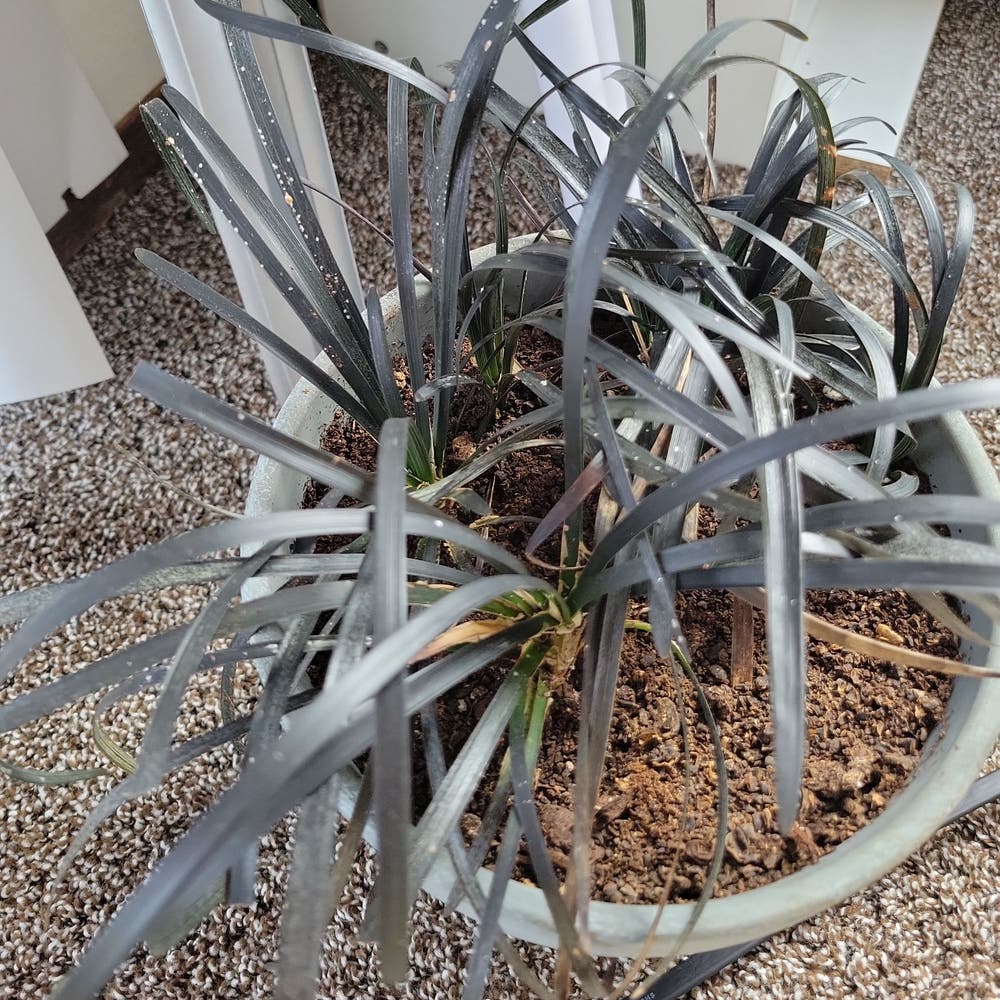
Temperature stress can manifest in several visual signs. Look out for leaf discoloration, such as yellowing or browning tips, which can indicate that your grass is struggling.
Additionally, leaf curling—where edges curl inward or outward—can signal distress. If you notice wilting, characterized by a drooping appearance despite adequate watering, it’s time to take action.
Behavioral Changes in Growth Patterns
Temperature stress also affects growth patterns. Stunted growth is a common issue, leading to reduced height and density.
You may observe slower recovery from foot traffic or damage, making your grass more vulnerable to pests and diseases. Addressing temperature issues promptly can help mitigate these effects.
🌍 Causes of Temperature Stress
Environmental Factors Leading to Stress
Several environmental factors can lead to temperature stress in Dwarf Mondo Grass. Sudden temperature fluctuations can shock the plant, disrupting its growth cycle.
Poor soil drainage can exacerbate temperature extremes, trapping heat or cold around the roots. Additionally, exposure to direct sunlight during high heat increases the risk of overheating.
⚡ Impact of Sudden Temperature Changes
Sudden temperature changes can trigger a shock response, leading to immediate effects on growth and health. If not addressed, these shocks can result in long-term stress that compromises the plant's resilience.
🌦️ Seasonal Temperature Considerations
Winter Temperature Care
When temperatures drop below 20°F (-6°C), protective measures are essential. Mulching can insulate the root zone, helping to retain warmth.
Using frost cloths during extreme cold spells is another effective strategy. Regular monitoring for signs of frost damage will ensure your grass remains healthy through the winter.
☀️ Summer Temperature Care
In summer, managing temperatures above 90°F (32°C) is crucial. Providing shade through garden structures or companion plants can help keep your grass cool.
Adjusting your watering schedule to increase frequency will prevent dehydration. Keep an eye out for signs of heat stress, such as wilting and leaf burn, to take timely action.
💧 Brief Mention of Humidity
Humidity plays a vital role in temperature regulation for Dwarf Mondo Grass. Low humidity can exacerbate heat stress and dehydration, making it essential to monitor moisture levels.
Understanding the interplay between temperature and humidity will help you create an optimal environment for your grass to thrive.
With these insights, you can ensure your Dwarf Mondo Grass remains healthy and vibrant throughout the seasons. Next, let's explore the specific signs of temperature stress in more detail.
⚠️ Safety First
This content is for general information and may contain errors, omissions, or outdated details. It is not medical, veterinary advice, or an endorsement of therapeutic claims.
Always consult a qualified healthcare professional before using any plant as food, medicine, or supplement.
Never eat any plant (or feed one to pets) without confirming its identity with at least two trusted sources.
If you suspect poisoning, call Poison Control (800) 222-1222, the Pet Poison Helpline (800) 213-6680, or your local emergency service immediately.
Spotted an error? Please report it here.
Keep your Dwarf Mondo Grass thriving 🌱 by using Greg for personalized tips and reminders to maintain its perfect temperature range and prevent stress!