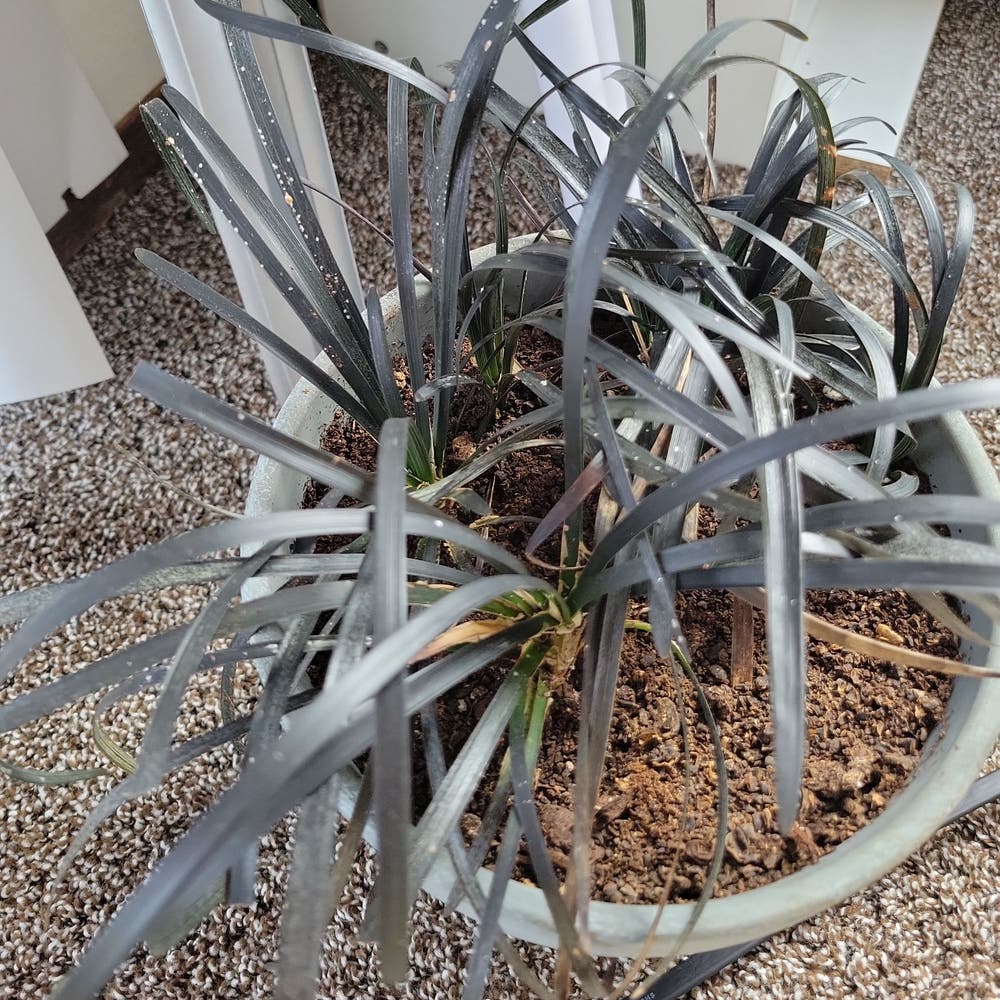
🌱 What to Do About Yellow Leaves on Your Dwarf Mondo Grass
Ophiopogon japonicus 'Nana'
By the Greg Editorial Team
Oct 16, 2024•6 min read
This article was created with the help of AI so we can cover more plants for you. May contain errors. See one? Report it here.
- 🌱 Yellow leaves indicate stress from overwatering, pests, or nutrient deficiencies.
- 💧 Overwatering suffocates roots, leading to poor health and yellowing in Dwarf Mondo Grass.
- 🐛 Regular pest checks and balanced fertilization are key to preventing yellow leaves.
Common Causes of Yellow Leaves
Yellow leaves on your Dwarf Mondo Grass can be a frustrating sight. Understanding the common causes can help you take action and restore your plant's health.
🌧️ Environmental Stressors
Overwatering is a leading culprit. When the soil is too wet, it can suffocate roots and lead to yellowing.
Poor soil drainage also plays a significant role. If water can't escape, it creates a soggy environment that stresses the grass.
Nutrient deficiencies are another factor. Without essential nutrients, your grass may struggle to thrive, resulting in yellow leaves.
🐛 Pests and Diseases
Pests can wreak havoc on your Dwarf Mondo Grass. Infestations, such as aphids, can cause discoloration and damage.
Fungal infections are equally concerning. These can lead to yellowing leaves and other symptoms that indicate your grass is in distress.
Identifying these issues early can make a world of difference. By addressing environmental stressors and pest problems, you can help your Dwarf Mondo Grass regain its vibrant green color.
Next, let’s dive into diagnosing the problem to pinpoint the exact cause of those yellow leaves.
Diagnosing the Problem
🌧️ Soil Moisture Levels
Well-drained soil is essential for the health of Dwarf Mondo Grass. If the soil retains too much water, you might notice yellowing leaves, mushy roots, and waterlogged conditions.
To maintain optimal health, the soil should be moist but not soggy. Regularly check moisture levels to ensure your grass thrives.
🥦 Nutrient Deficiencies
Nitrogen Deficiency
A nitrogen deficiency can manifest as yellowing of older leaves and stunted growth. To remedy this, consider using a balanced fertilizer that contains nitrogen.
Iron Deficiency
Iron deficiency presents itself with yellowing between leaf veins while the veins themselves remain green. Applying iron chelate or a fertilizer high in iron can help restore your grass's vibrant color.
🐛 Pest Infestations
Common Pests
Aphids are a common nuisance, leaving behind sticky residue and causing leaves to curl. Grubs can also be problematic, damaging roots and leading to yellowing and wilting.
Regular inspections can help you catch these pests early, allowing for effective management.
🍄 Fungal Infections
Root Rot
Root rot is a serious issue characterized by yellowing leaves and wilting, even when the grass is adequately watered. This condition often arises from overwatering and poor soil drainage.
To combat root rot, improve drainage and avoid waterlogging. Taking these steps can significantly enhance the health of your Dwarf Mondo Grass.
Understanding these diagnostic factors is crucial for maintaining the lush appearance of your grass. With the right knowledge, you can take proactive steps to ensure its vitality.
Solutions for Yellow Leaves
🌊 Adjusting Watering Practices
To tackle yellow leaves on your Dwarf Mondo Grass, start by assessing your current watering schedule. Check how often and how much you’re watering.
Next, implement a new routine: water deeply but infrequently. This encourages deeper root growth and resilience.
Lastly, monitor soil moisture using a moisture meter for accuracy. This tool helps you avoid overwatering, a common culprit for yellowing leaves.
🌱 Fertilization Techniques
Choosing the right fertilizer is crucial. Opt for a balanced NPK formula or one specifically designed for grass.
Timing is everything; apply fertilizer in early spring and mid-summer for the best results. Typically, aim for about 1 lb of nitrogen per 1,000 sq ft to keep your grass thriving.
🐛 Pest Management Strategies
Regular inspections are key to pest management. Look out for common offenders like aphids and grubs.
For control methods, consider using insecticidal soap or neem oil for aphids. Beneficial nematodes can effectively target grubs, keeping your grass healthy.
🍄 Treating Fungal Diseases
Identifying symptoms of fungal diseases is essential. Look for yellowing leaves and signs of root rot.
When it comes to treatment options, fungicides can be effective, but don’t overlook organic solutions like baking soda. Additionally, improve air circulation by spacing plants adequately to reduce humidity, which can foster fungal growth.
By implementing these solutions, you can restore your Dwarf Mondo Grass to its vibrant green glory. Next, let’s explore preventative measures to keep your grass healthy year-round.
Preventative Measures
Best Practices for Watering 🌊
Watering your Dwarf Mondo Grass at the right time can make all the difference. Aim to water early in the morning to minimize evaporation and ensure your grass gets the moisture it needs.
Using drip irrigation or soaker hoses is another smart choice. These methods deliver water directly to the roots, promoting healthier growth while conserving water.
Soil Health and Amendments 🌱
Healthy soil is the foundation of vibrant grass. Regularly test your soil's pH and nutrient levels to ensure it meets the needs of your Dwarf Mondo Grass.
Amending your soil with organic matter can significantly improve drainage and fertility. This simple step can help prevent yellow leaves and promote lush, green growth.
Regular Monitoring and Maintenance 🔍
Routine inspections are key to catching potential issues early. Check for pests, diseases, and soil moisture levels to keep your grass thriving.
Additionally, maintaining a clean garden is crucial. Remove debris that can harbor pests and diseases, creating a healthier environment for your Dwarf Mondo Grass.
By implementing these preventative measures, you can enjoy a lush, green lawn while minimizing the risk of yellow leaves. Next, let’s explore seasonal considerations to keep your grass healthy year-round.
Seasonal Considerations
🌱 Spring Care Tips
As spring arrives, it's time to give your Dwarf Mondo Grass a boost. Start by applying a balanced fertilizer to support new growth.
Pruning is also essential during this season. Remove any dead or yellowing leaves to encourage fresh, vibrant growth.
☀️ Summer Heat Management
Summer can be tough on your grass, so adjust your watering routine. Increase the frequency of watering during hot spells to keep your grass healthy and hydrated.
If the heat becomes extreme, consider providing some shade. This simple step can protect your grass from sunburn and stress.
🍂 Fall Preparation for Winter
As temperatures begin to drop in fall, it's crucial to adjust your watering habits. Reduce the amount of water you give your grass to prevent root rot.
Mulching around your plants is another smart move. It helps insulate the roots, protecting them from freezing temperatures and ensuring a healthy start come spring.
With these seasonal tips, your Dwarf Mondo Grass will thrive year-round, setting the stage for a lush landscape. Next, let’s explore common misconceptions about yellowing grass and how to debunk them.
Common Misconceptions
Myths About Yellowing Grass 🌿
Many gardeners believe that yellow leaves on Dwarf Mondo Grass always signal a pest problem. While pests can contribute to discoloration, they are not the sole culprits.
Yellowing can stem from various issues, including overwatering, poor soil drainage, and nutrient deficiencies. Understanding this complexity is crucial for effective plant care.
It's essential to consider all potential factors before jumping to conclusions. A holistic approach will lead to healthier grass and a more vibrant garden.
By debunking these myths, you empower yourself to take informed actions that promote the well-being of your plants. Next, let’s dive into diagnosing the problem to pinpoint the exact cause of those pesky yellow leaves.
⚠️ Safety First
This content is for general information and may contain errors, omissions, or outdated details. It is not medical, veterinary advice, or an endorsement of therapeutic claims.
Always consult a qualified healthcare professional before using any plant as food, medicine, or supplement.
Never eat any plant (or feed one to pets) without confirming its identity with at least two trusted sources.
If you suspect poisoning, call Poison Control (800) 222-1222, the Pet Poison Helpline (800) 213-6680, or your local emergency service immediately.
Spotted an error? Please report it here.
Keep your Dwarf Mondo Grass vibrant and healthy 🌱 by using Greg's tailored care reminders to tackle yellow leaves caused by stressors, pests, and nutrient deficiencies!