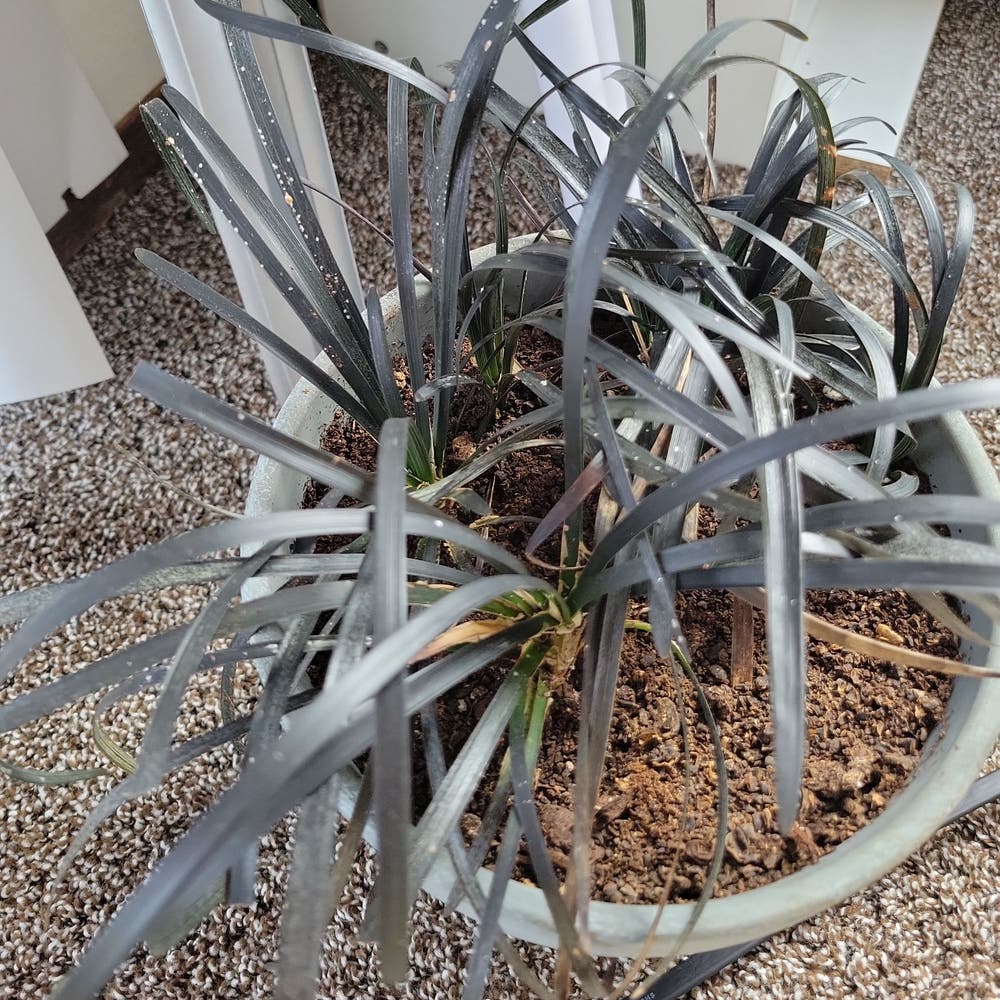
☀️ Ultimate Guide to Direct Sunlight for Dwarf Mondo Grass
Ophiopogon japonicus 'Nana'
By the Greg Editorial Team
Oct 16, 2024•5 min read
This article was created with the help of AI so we can cover more plants for you. May contain errors. See one? Report it here.
- 🌞 Dwarf Mondo Grass thrives in partial shade, not full sun—ideal for low-light areas.
- ⚠️ Too much direct sunlight causes leaf burn and stunted growth; monitor exposure carefully.
- 🌅 Morning sunlight is best; it’s gentler than harsh afternoon rays for optimal health.
Dwarf Mondo Grass and Sunlight
🌞 Does Dwarf Mondo Grass Need Direct Sunlight?
Dwarf Mondo Grass thrives without direct sunlight. In fact, it prefers environments with partial shade to full shade, making it an excellent choice for those tricky spots in your garden.
☀️ Can Dwarf Mondo Grass Tolerate Direct Sunlight?
While Dwarf Mondo Grass can handle some direct sunlight, it’s not a fan of prolonged exposure. Morning sun is more tolerable, so if you can, aim for that gentle light rather than the harsh afternoon rays.
🔆 Effects of Too Much Direct Sunlight on Dwarf Mondo Grass
Too much direct sunlight can lead to stress in your Dwarf Mondo Grass. Look out for signs like leaf burn, discoloration, and wilting, which indicate that your plant is struggling.
Long-term exposure to intense sunlight can stunt growth and reduce the overall vigor of your grass. Keeping an eye on these signs will help you maintain a healthy, thriving plant.
Understanding the sunlight needs of Dwarf Mondo Grass is crucial for its care. Next, let’s explore how environmental factors like window direction and hemisphere can influence sunlight exposure for your plants.
Environmental Factors
Role of Window Direction in Sunlight Exposure 🌞
The direction your windows face can significantly impact the sunlight your Dwarf Mondo Grass receives.
South-facing windows: These windows bask in the most direct sunlight, making them perfect for sun-loving plants. However, for Dwarf Mondo Grass, this can be too intense.
North-facing windows: These typically provide indirect light, which is ideal for Dwarf Mondo Grass. The softer light helps maintain its lush green appearance without the stress of harsh rays.
Impact of Hemisphere on Sunlight Intensity 🌍
The hemisphere you live in also plays a crucial role in how sunlight affects your plants.
Northern Hemisphere: Here, the sun hangs lower in the winter months, which can reduce light exposure for your Dwarf Mondo Grass. This seasonal change can affect its growth and overall health.
Southern Hemisphere: In contrast, summer brings more intense sunlight, which can be overwhelming for Dwarf Mondo Grass. Understanding these seasonal variations helps you adjust care accordingly.
By recognizing how window direction and your hemisphere influence sunlight exposure, you can create the best environment for your Dwarf Mondo Grass. This knowledge sets the stage for effective plant care, ensuring your grass thrives in its ideal conditions.
Next, let’s explore practical tips for assessing sunlight conditions and adjusting care based on what your plant needs.
Practical Tips for Plant Parents
🌞 How to Assess Sunlight Conditions for Dwarf Mondo Grass
To ensure your Dwarf Mondo Grass thrives, start by observing the light patterns in your space throughout the day. Pay attention to how sunlight moves and changes, as this will help you understand the light conditions your plant is experiencing.
For a more precise measurement, consider using a light meter. This handy tool can provide you with accurate readings of light intensity, helping you make informed decisions about your plant's placement.
🚨 Signs of Stress in Dwarf Mondo Grass Due to Sunlight
Keep an eye out for visual indicators that your Dwarf Mondo Grass might be stressed. Yellowing leaves, crispy edges, and drooping can signal that your plant is not happy with its current light conditions.
Behavioral changes are also key signs to watch for. If you notice slower growth or a lack of new shoots, it may be time to reassess the sunlight exposure your plant is receiving.
🔄 Adjusting Care Based on Sunlight Exposure
When your Dwarf Mondo Grass is exposed to direct sunlight, you may need to adjust your watering routine. More frequent watering can help keep the soil moist and support your plant's health in brighter conditions.
Additionally, consider how sunlight affects your plant's nutrient needs. Fertilization may need to be adjusted based on light exposure, ensuring your Dwarf Mondo Grass gets the right balance of nutrients to thrive.
By keeping these practical tips in mind, you'll be better equipped to care for your Dwarf Mondo Grass and create an environment where it can flourish. Next, let’s explore common misconceptions about this resilient plant and its sunlight needs.
Common Misconceptions
🌞 Myths About Dwarf Mondo Grass and Sunlight
One common myth is that Dwarf Mondo Grass thrives in full sun. In reality, this resilient plant prefers shade and can suffer significantly in intense light.
🌤️ Clarifying the Difference Between Shade and Indirect Light
Understanding the difference between shade and indirect light is crucial for proper care. Shade refers to a complete absence of light, while indirect light is bright but diffused, allowing the plant to flourish without stress.
Recognizing these distinctions can help you create the ideal environment for your Dwarf Mondo Grass. By providing the right light conditions, you can ensure your plant remains healthy and vibrant.
As we move forward, let’s explore how environmental factors, like window direction and hemisphere, impact sunlight exposure for your Dwarf Mondo Grass.
⚠️ Safety First
This content is for general information and may contain errors, omissions, or outdated details. It is not medical, veterinary advice, or an endorsement of therapeutic claims.
Always consult a qualified healthcare professional before using any plant as food, medicine, or supplement.
Never eat any plant (or feed one to pets) without confirming its identity with at least two trusted sources.
If you suspect poisoning, call Poison Control (800) 222-1222, the Pet Poison Helpline (800) 213-6680, or your local emergency service immediately.
Spotted an error? Please report it here.
Keep your Dwarf Mondo Grass thriving in the shade 🌿 by using Greg's personalized light monitoring and care tips to ensure it stays healthy and vibrant!