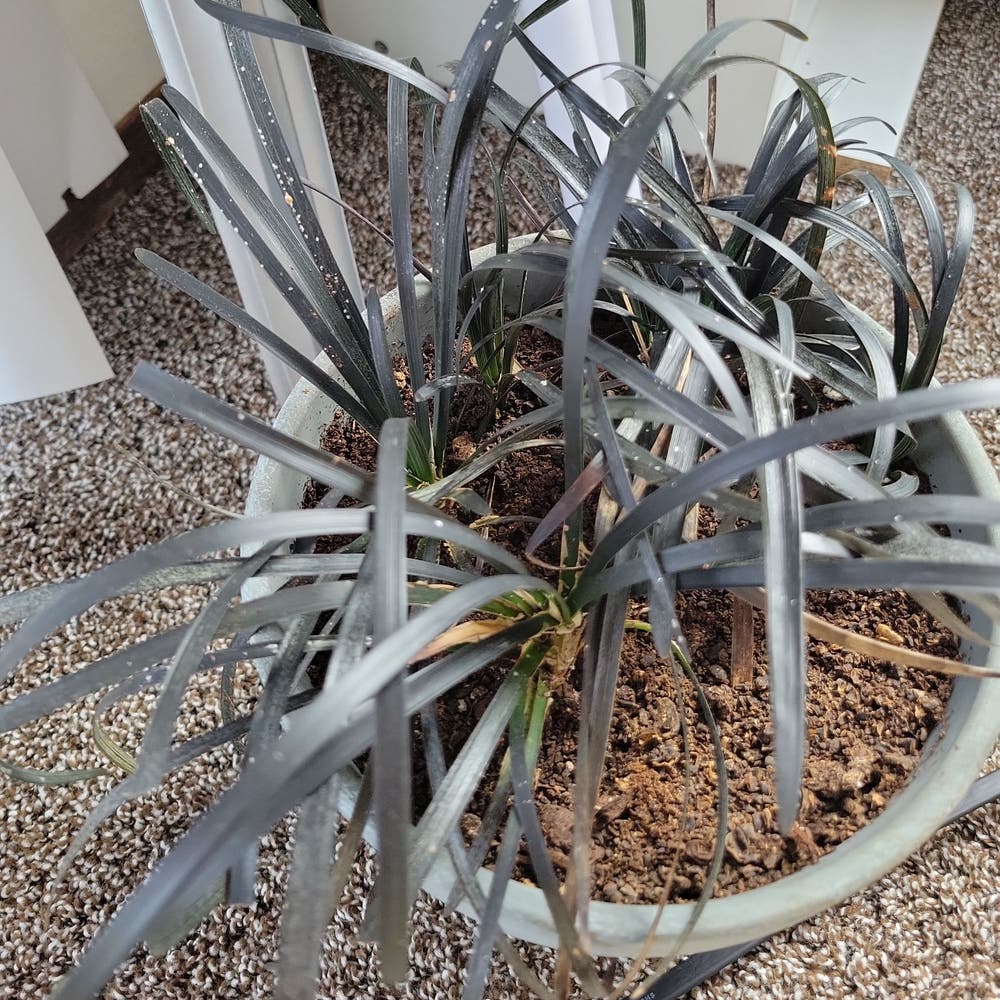
Dwarf Mondo Grass Growth: Height vs. Width
Ophiopogon japonicus 'Nana'
By the Greg Editorial Team
Oct 16, 2024•5 min read
This article was created with the help of AI so we can cover more plants for you. May contain errors. See one? Report it here.
- 🌱 Dwarf Mondo Grass grows 6-10 inches tall and spreads 12-24 inches, perfect for ground cover.
- ⏳ It takes 2-3 years to reach full size under optimal conditions; patience is key!
- 🌞💧 Soil quality and light exposure significantly influence growth; ensure proper care for best results.
Mature Height and Width
Typical Dimensions 🌱
Dwarf Mondo Grass typically reaches a mature height of 6 to 10 inches. Its spread can range from 12 to 24 inches, making it an excellent choice for ground cover.
Growth Rate and Time to Maturity ⏳
This grass has a slow growth rate, taking about 2 to 3 years to reach its full size under optimal conditions. Key factors influencing this growth include soil quality, light exposure, and watering practices.
Size Variability Based on Conditions 🌍
The height and spread of Dwarf Mondo Grass can vary significantly due to environmental factors. For instance, poor soil quality may stunt its growth, while excessive shade can result in taller, leggy plants that lack the desired density.
Understanding these dimensions and growth patterns is crucial for anyone looking to cultivate Dwarf Mondo Grass effectively. With the right conditions, you can enjoy a lush, vibrant ground cover that enhances your landscape.
Next, let’s explore how different growing conditions can influence the size of this versatile grass.
Influence of Growing Conditions
Soil Type and Its Impact on Size 🌱
The type of soil you choose plays a crucial role in the growth of Dwarf Mondo Grass. Well-draining, fertile soil promotes optimal growth, allowing the roots to spread and absorb nutrients effectively.
Conversely, poorly drained or compacted soils can severely restrict root development. This limitation can stunt the overall size of your grass, leaving it struggling to thrive.
Light Exposure and Growth Habits ☀️
Light exposure significantly influences the growth habits of Dwarf Mondo Grass. Full sun encourages denser, more compact growth, resulting in a lush appearance.
In contrast, partial shade may lead to taller, leggy plants. This can create a less desirable look, so consider your garden's light conditions when planting.
Watering Practices Affecting Dimensions 💧
Watering practices are vital for maintaining healthy growth. Consistent moisture is crucial, as it helps the grass establish a robust root system.
However, overwatering can lead to root rot, which negatively impacts overall size. Striking the right balance in watering is essential for achieving the desired dimensions of your Dwarf Mondo Grass.
Understanding these growing conditions will set the foundation for successful cultivation. Next, we’ll explore the various varieties of Dwarf Mondo Grass and how they differ in size and characteristics.
Varieties
Differences Between Dwarf and Giant Varieties 🌱
When it comes to Mondo Grass, size matters. Dwarf varieties typically stand at a modest 6-10 inches tall, boasting a compact spread, while giant varieties can soar to heights of 12-24 inches.
Characteristics of Dwarf Mondo Grass 🌿
Dwarf Mondo Grass is celebrated for its dense foliage and low growth habit, making it an excellent choice for ground cover. It adapts well to various soil types but truly thrives in optimal conditions, showcasing its resilience and versatility.
Notable Cultivars and Their Sizes 🌼
Several cultivars of Dwarf Mondo Grass stand out for their unique characteristics and sizes. For instance, the 'Nana' cultivar is particularly renowned for its compact size and dense growth, making it a favorite among gardeners looking for a lush, low-maintenance ground cover.
As you explore the varieties of Mondo Grass, consider how each type can fit into your landscape design. Understanding these differences will help you make informed choices for your garden.
Size Control Techniques
🌿 Pruning Methods for Size Management
To keep your Dwarf Mondo Grass looking its best, selective pruning is essential. This technique allows you to control both height and spread, ensuring your grass remains compact and healthy.
⏰ Timing and Frequency of Pruning
The ideal time to prune is early spring, just before new growth starts. Depending on how quickly your grass grows, you may need to prune annually or biannually to maintain the desired size.
🚧 Other Methods to Control Growth
In addition to pruning, consider using barriers or edging to limit the spread of your grass. Adjusting your watering and fertilization practices can also help manage growth effectively, keeping your Dwarf Mondo Grass in check.
By implementing these size control techniques, you can enjoy a lush, well-manicured lawn that enhances your outdoor space. Next, let’s explore the environmental factors that influence the growth dimensions of Dwarf Mondo Grass.
Environmental Factors
Climate Effects on Growth Dimensions 🌡️
Local climate plays a significant role in the growth of Dwarf Mondo Grass. Warmer climates can accelerate growth, allowing the grass to flourish, while colder climates may slow down its development.
Seasonal Growth Patterns 🌸
Growth spurts for Dwarf Mondo Grass typically occur in spring and early summer. During winter, the plant enters a dormant phase, which can affect its overall size and vigor.
Impact of Pests and Diseases on Size 🐛
Pests like aphids and scale insects can stunt the growth of Dwarf Mondo Grass. Additionally, diseases such as root rot and fungal infections may lead to size reduction, making it crucial to monitor plant health regularly to maintain desired dimensions.
Understanding these environmental factors can help you create the ideal conditions for your Dwarf Mondo Grass, ensuring it thrives beautifully in your garden. Next, we will explore how different growing conditions, such as soil type and light exposure, further influence the growth of this resilient grass.
⚠️ Safety First
This content is for general information and may contain errors, omissions, or outdated details. It is not medical, veterinary advice, or an endorsement of therapeutic claims.
Always consult a qualified healthcare professional before using any plant as food, medicine, or supplement.
Never eat any plant (or feed one to pets) without confirming its identity with at least two trusted sources.
If you suspect poisoning, call Poison Control (800) 222-1222, the Pet Poison Helpline (800) 213-6680, or your local emergency service immediately.
Spotted an error? Please report it here.
Unlock the secret to thriving Dwarf Mondo Grass 🌱 with Greg's personalized care tips and watering reminders that ensure your ground cover flourishes beautifully!