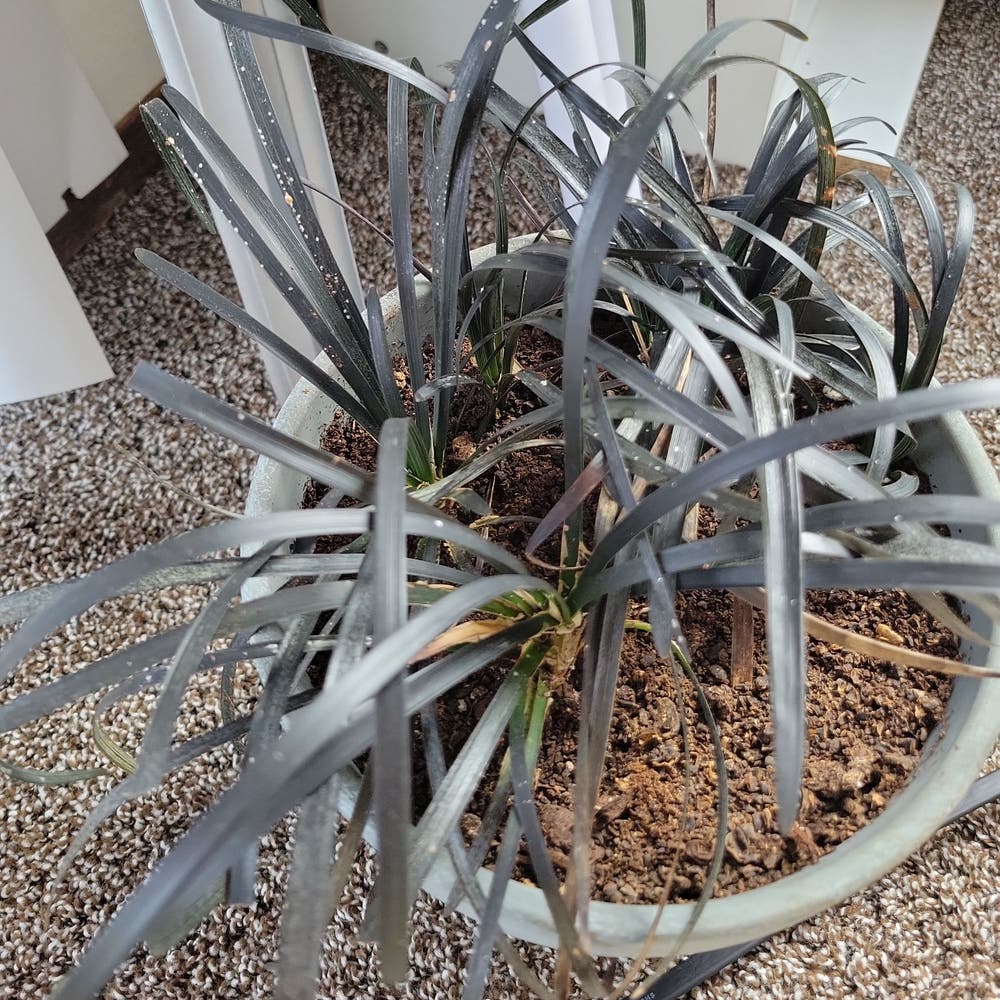
Best Potting Soil Mix for Dwarf Mondo Grass
Ophiopogon japonicus 'Nana'
By the Greg Editorial Team
Oct 16, 2024•5 min read
This article was created with the help of AI so we can cover more plants for you. May contain errors. See one? Report it here.
- 🌱 Healthy soil is vital for Dwarf Mondo Grass; watch for mold and compaction.
- 🧪 Test soil health using pH meters and moisture checks for optimal growth.
- 🏡 Create a homemade mix with peat moss, perlite, and compost for best results.
Identifying Unhealthy Soil
Signs of Unhealthy Soil 🌱
Recognizing unhealthy soil is crucial for the health of your Dwarf Mondo Grass. Look out for these common indicators:
- Moldy Soil: If you see white or gray fungal growth on the surface, it’s a clear sign of trouble.
- Soil Compaction: Hard, dense soil that retains water can suffocate roots and hinder growth.
- Foul Odor: A bad smell often indicates anaerobic conditions, which can be detrimental to plant health.
How to Test Soil Health 🧪
Assessing soil health is straightforward and essential for maintaining vibrant plants. Here are two effective methods:
- pH Testing: Use a soil pH meter or test kit to determine acidity levels.
- Moisture Levels: Check for excessive dampness or dryness to gauge whether your soil is retaining too much or too little water.
Solutions for Unhealthy Soil 🛠️
If you identify issues, don’t worry—there are effective remediation techniques. Here’s how to tackle common problems:
- For Moldy Soil: Remove the affected top layer and improve airflow to prevent future growth.
- For Compacted Soil: Incorporate perlite or sand to loosen the texture and enhance drainage.
- General Soil Health Improvement: Regularly mix in organic matter to replenish nutrients and improve soil structure.
By staying vigilant and proactive, you can ensure your Dwarf Mondo Grass thrives in a healthy environment. Next, let’s explore how to create a homemade soil mix that supports optimal growth.
Creating a Homemade Soil Mix ((difficulty:easy))
Step-by-Step Guide to Making a Soil Mix 🌱
Creating your own potting soil mix is straightforward and rewarding. Start by gathering your materials: peat moss, perlite, and compost.
Next, mix these components in a large container. Aim for a ratio of 40% peat moss, 30% perlite, and 30% compost.
Blend thoroughly to ensure even distribution, which is crucial for consistent moisture retention and nutrient availability.
Recommended Ingredients 🥥
To enhance your soil quality, consider adding a few extra ingredients. Coconut coir serves as a great alternative to peat moss, providing excellent moisture retention.
Worm castings are another fantastic addition, boosting the nutrient content and promoting healthy plant growth.
Adjusting pH Levels in Homemade Mixes ⚖️
Maintaining the right pH is essential for your plants' health. You can adjust pH levels by adding lime to raise it or incorporating sulfur to lower it.
After mixing, always test the pH to ensure it falls within the optimal range of 6.0 to 7.0. This step is vital for ensuring your dwarf mondo grass thrives.
With your homemade soil mix ready, you're well on your way to creating a thriving environment for your plants. Next, let’s explore the ideal soil pH and nutrient needs for dwarf mondo grass.
Soil pH and Nutrient Needs
🌱 Ideal pH Range for Dwarf Mondo Grass
Dwarf Mondo Grass thrives in a slightly acidic to neutral pH range of 6.0 to 7.0. This specific range is crucial because it directly influences nutrient availability in the soil.
When the pH is too high or too low, essential nutrients become locked away, making it difficult for your grass to absorb them. Maintaining the right pH ensures your Dwarf Mondo Grass gets the nutrients it needs for vibrant growth.
⚖️ How to Adjust Soil pH
Adjusting soil pH can be straightforward. If your soil test indicates a low pH, you can raise it by applying lime based on the test results.
Conversely, if the pH is too high, sulfur can help lower it. Always follow the package instructions for application rates to avoid overdoing it.
🌿 Nutrient Requirements and Amendments
For optimal growth, Dwarf Mondo Grass requires a balanced supply of essential nutrients, particularly nitrogen, phosphorus, and potassium (NPK). These nutrients support everything from root development to overall health.
To enhance soil quality, consider using organic fertilizers that release nutrients slowly. This approach ensures your grass receives sustained nutrition over time, promoting lush, green growth.
By keeping an eye on pH and nutrient levels, you can create the perfect environment for your Dwarf Mondo Grass to flourish. Next, let’s explore best practices for maintaining soil health.
Soil Maintenance and Care
Best Practices for Maintaining Soil Health 🌱
Maintaining healthy soil is crucial for the thriving growth of your dwarf mondo grass. Regularly monitor moisture levels and pH to ensure your soil remains in optimal condition.
Incorporating organic matter annually is another key practice. This replenishes nutrients and enhances soil structure, promoting better drainage and aeration.
When to Refresh or Replace Potting Soil 🔄
Knowing when to refresh or replace your potting soil can save your plants from unnecessary stress. Look for signs like persistent mold issues, even after remediation efforts, as this indicates deeper problems.
Additionally, if the soil becomes overly compacted or shows signs of nutrient depletion, it’s time for a change. Generally, refreshing your soil every 1-2 years is recommended, depending on your specific growth conditions.
By staying proactive with soil maintenance, you can ensure your dwarf mondo grass remains healthy and vibrant. Next, let’s explore the ideal pH levels and nutrient needs for optimal growth.
⚠️ Safety First
This content is for general information and may contain errors, omissions, or outdated details. It is not medical, veterinary advice, or an endorsement of therapeutic claims.
Always consult a qualified healthcare professional before using any plant as food, medicine, or supplement.
Never eat any plant (or feed one to pets) without confirming its identity with at least two trusted sources.
If you suspect poisoning, call Poison Control (800) 222-1222, the Pet Poison Helpline (800) 213-6680, or your local emergency service immediately.
Spotted an error? Please report it here.
Keep your Dwarf Mondo Grass thriving 🌿 by using Greg's tailored reminders for soil health and nutrient balance, ensuring your plants get the best care possible!