Identifying What is Eating Your California Sunset 🐛
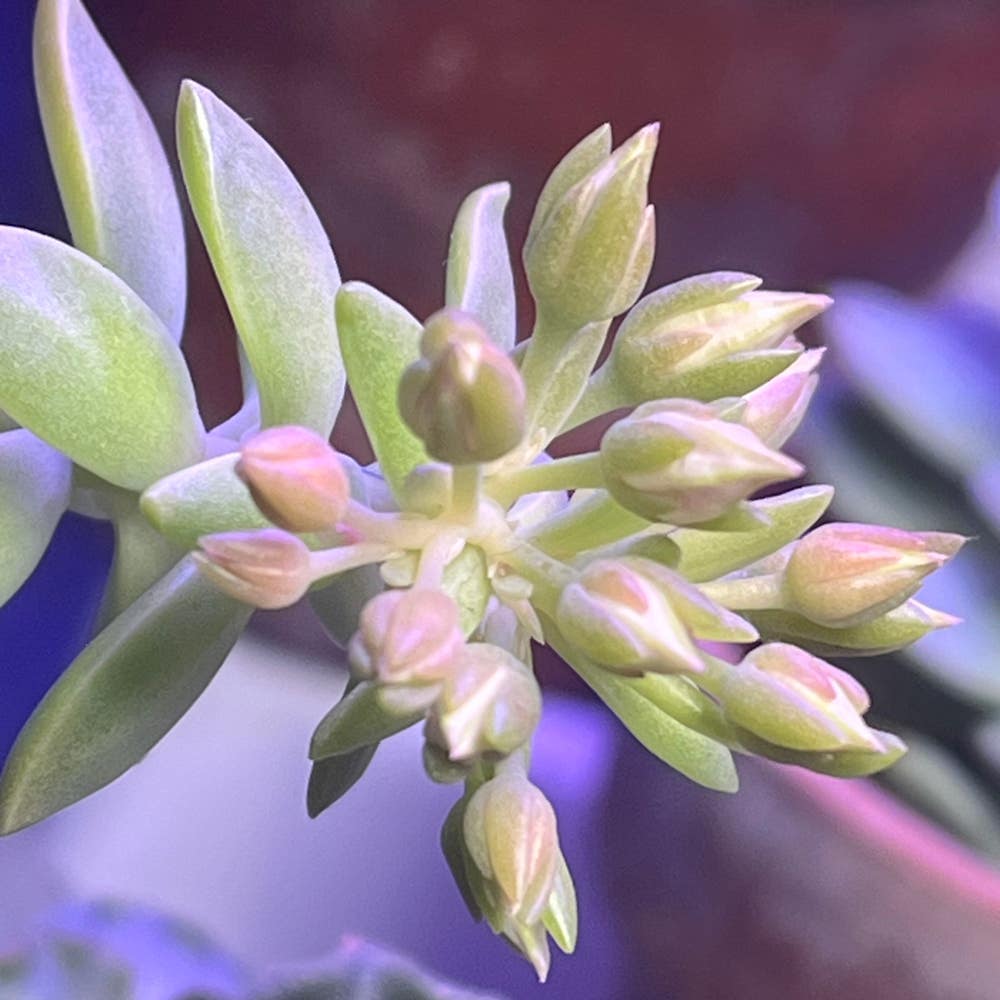
Graptosedum 'California Sunset'
By the Greg Editorial Team
Nov 07, 2024•6 min read
This article was created with the help of AI so we can cover more plants for you. May contain errors. See one? Report it here.
- 🌼 California Sunset plants attract herbivores like deer, rabbits, and squirrels due to their sweetness.
- 🦌 Signs of herbivores include hoof prints, bite marks, and cleanly cut stems.
- 🚫 Effective deterrents include fencing, repellents, and companion planting to protect your garden.
Description and Appeal
California Sunset plants are a visual feast, showcasing bright orange, yellow, and red hues that can light up any garden. Their large, showy blooms draw the eye and create a vibrant atmosphere.
🐾 Most Appealing Parts to Animals
The allure of California Sunset extends beyond its beauty.
- Fruits: The sweet, succulent berries are irresistible to many creatures.
- Flowers: Nectar-rich blooms attract a variety of pollinators and herbivores alike.
- Young shoots: Tender and nutritious, these shoots provide essential nourishment for hungry animals.
This combination of visual appeal and nutritional value makes California Sunset a target for various herbivores, each seeking a tasty treat. Understanding what attracts these animals can help gardeners protect their plants while appreciating their beauty.
As we explore the common herbivores that enjoy these plants, we’ll uncover both the challenges and benefits they bring to the ecosystem.
Common Herbivores
🦌 Deer
Signs of presence and damage caused
Deer are often the first culprits when it comes to garden damage. Look for distinctive hoof prints and irregularly shaped bites on leaves, which indicate their browsing habits.
Beneficial vs. harmful interactions
While deer can severely damage young plants, they also play a role in seed dispersal through their fruit consumption. This duality makes them a complex presence in the ecosystem.
Deterrent methods (difficulty: moderate)
To keep deer at bay, consider using commercial deer repellents or planting deer-resistant species. Another organic option is to scatter human hair around your plants, which can deter these animals.
🐇 Rabbits
Signs of presence and damage caused
Rabbits leave behind small, round paw prints and often cause damage by cleanly cutting stems and leaves. Their presence can quickly become evident in a garden.
Beneficial vs. harmful interactions
Rabbits are generally harmful, as they can decimate young plants. However, they also serve as prey for local predators, contributing to the food chain.
Deterrent methods (difficulty: easy)
To deter rabbits, use bitter-tasting sprays or install fencing that is at least 2 feet high. These methods can effectively protect your plants from their nibbling.
🐿️ Squirrels
Signs of presence and damage caused
Squirrels are notorious for chewing bark and stealing fruits. You might also find nesting debris around your plants, indicating their activity.
Beneficial vs. harmful interactions
While squirrels can damage fruits and young shoots, they also help with seed dispersal by burying nuts. This interaction adds another layer to their role in the ecosystem.
Deterrent methods (difficulty: moderate)
To keep squirrels away, try capsicum-based sprays or invest in squirrel-proof bird feeders. These strategies can help safeguard your garden from their antics.
🐦 Birds
Signs of presence and damage caused
Birds can be spotted by peck marks on fruits and nesting activity nearby. Their presence is often a sign that your plants are attracting attention.
Beneficial vs. harmful interactions
Birds are generally harmful as they consume fruits before they ripen. However, they also contribute to pollination and pest control, making them valuable in other ways.
Deterrent methods (difficulty: easy)
To deter birds, use non-toxic bird repellents or employ scare tactics like reflective tape. These methods can help protect your harvest while still allowing beneficial interactions.
🐹 Rodents and Groundhogs
Signs of presence and damage caused
Rodents and groundhogs leave behind burrows near plants and gnaw marks on stems. Their activity can lead to significant damage if not addressed.
Beneficial vs. harmful interactions
These animals are generally harmful due to root damage and plant decline. Yet, they also serve as prey for local predators, maintaining the balance in the ecosystem.
Deterrent methods (difficulty: hard)
For rodent control, consider using bait stations or traps. Natural repellents can also be effective, but managing these pests can be more challenging than with other herbivores.
Understanding the common herbivores that threaten your California Sunset is crucial for effective management. By recognizing their signs, interactions, and deterrent methods, you can better protect your plants and promote a healthy garden ecosystem. Next, we’ll explore the beneficial animals that can enhance your garden’s health and productivity.
Beneficial Animals and Ecosystem Impact
🐝 Description of Beneficial Animals
In the garden, not all visitors are unwelcome. Pollinators like bees and butterflies play a crucial role in the health of your California Sunset plants. They transfer pollen from flower to flower, facilitating the production of fruits and seeds.
Predatory insects, such as ladybugs and lacewings, also contribute significantly. These tiny warriors feast on aphids and other pests, keeping harmful populations in check.
🌍 Positive Impacts on the Ecosystem
The presence of these beneficial animals enhances the overall ecosystem. Effective pollination leads to more abundant and healthier plants, which in turn supports local wildlife.
Additionally, natural pest control reduces the need for chemical interventions. This creates a more balanced environment, promoting biodiversity and sustainability in your garden.
By fostering a habitat for these beneficial creatures, you not only protect your plants but also contribute to a thriving ecosystem. Embracing these allies can lead to a flourishing garden that benefits both you and the environment.
As we explore protection strategies next, consider how these beneficial animals can influence your approach to managing herbivore threats.
Protection Strategies
🛡️ Preventive Measures
To safeguard your California Sunset plants, consider fencing as a primary defense. Installing barriers can effectively keep larger herbivores like deer at bay.
Another smart tactic is companion planting. By strategically placing certain plants nearby, you can either deter herbivores or attract beneficial insects that help your garden thrive.
⚠️ Reactive Solutions
Regular monitoring is crucial for early detection of damage. Make it a habit to inspect your plants frequently to catch any signs of herbivore activity.
When you notice damage, a quick response is essential. Implement deterrent methods promptly to minimize further harm to your plants.
🌱 Seasonal Variations
Be aware of seasonal variations in herbivore activity. In spring, rabbits and deer become particularly active, so heightened vigilance is necessary.
As summer progresses, expect an uptick in squirrel and bird activity. Adjust your protection strategies accordingly to keep your plants safe throughout the growing season.
By employing these protection strategies, you can create a thriving environment for your California Sunset while minimizing the impact of herbivores. Next, let’s explore the beneficial animals that can enhance your garden's ecosystem.
Toxicity Considerations
💬 Discussion of Potential Toxicity
California Sunset plants contain alkaloids, which can deter some herbivores from munching on them. These natural compounds serve as a defense mechanism, making the plants less palatable to certain animals.
📊 Implications for Management
Understanding the toxicity of these plants is crucial for effective animal attraction management. By knowing which herbivores are deterred, you can create a balanced approach to plant care that enhances your garden's health while considering ecological interactions.
⚖️ Balancing Plant Care with Ecological Considerations
It's essential to strike a balance between protecting your California Sunset and supporting local wildlife. This means recognizing the role of beneficial animals while managing potential threats from herbivores.
By fostering a healthy ecosystem, you can enjoy the beauty of your plants while ensuring they thrive amidst the challenges posed by hungry critters.
As you navigate these considerations, remember that a well-informed gardener is better equipped to create a vibrant, sustainable environment. This knowledge sets the stage for exploring effective protection strategies in the next section.
⚠️ Safety First
This content is for general information and may contain errors, omissions, or outdated details. It is not medical, veterinary advice, or an endorsement of therapeutic claims.
Always consult a qualified healthcare professional before using any plant as food, medicine, or supplement.
Never eat any plant (or feed one to pets) without confirming its identity with at least two trusted sources.
If you suspect poisoning, call Poison Control (800) 222-1222, the Pet Poison Helpline (800) 213-6680, or your local emergency service immediately.
Spotted an error? Please report it here.
Keep your California Sunset plants thriving 🌅 by using Greg's tailored care tips and reminders to fend off pesky herbivores while enjoying their stunning blooms!