🐝 4 Tips for Pollinating California Sunset
Graptosedum 'California Sunset'
By the Greg Editorial Team
Nov 07, 2024•6 min read
This article was created with the help of AI so we can cover more plants for you. May contain errors. See one? Report it here.
- 🌼 California Sunset flowers attract bees, butterflies, and hummingbirds with vibrant colors and nectar.
- 🌱 Cross-pollination boosts genetic diversity, enhancing reproductive success in California Sunset plants.
- 🐝 Hand pollination increases fruit production, especially in areas with fewer natural pollinators.
Flower Structure
Description of Characteristics 🌼
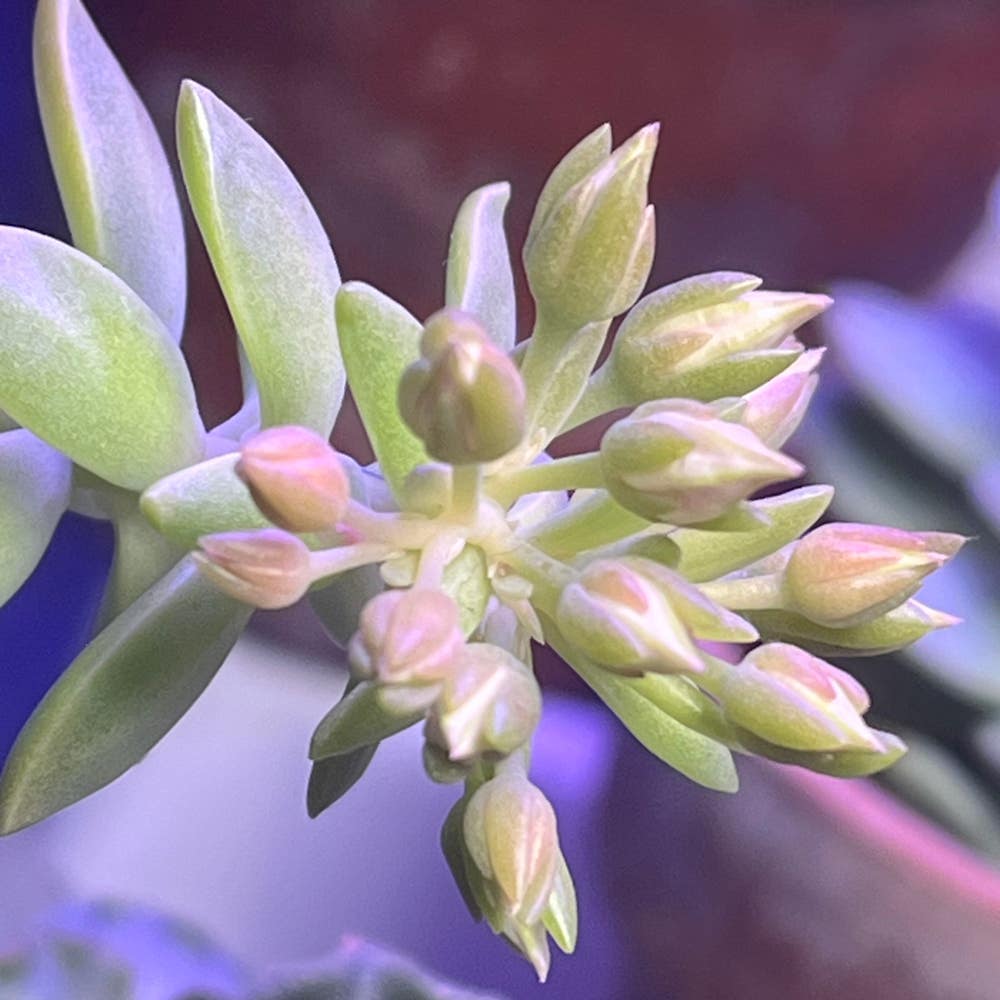
California Sunset flowers are a sight to behold. Their cup-shaped blooms fully open in sunlight, showcasing vibrant orange and yellow petals that are irresistible to pollinators.
Typically, each flower features four to six petals arranged around a central cluster of stamens, with a prominent pistil at the center. This unique structure not only adds to their beauty but also plays a crucial role in attracting the right visitors.
Role in Pollination 🐝
These flowers are designed for efficiency in reproduction. California Sunset can self-pollinate, thanks to the close proximity of stamens and pistils, allowing pollen to easily transfer within the same flower.
However, the flower's design also encourages cross-pollination. This is vital for genetic diversity, as it allows pollinators to easily access multiple flowers, facilitating the transfer of pollen and enhancing the plant's reproductive success.
With such an inviting structure, California Sunset flowers not only thrive but also contribute to the health of their ecosystem. This makes understanding their flower structure essential for anyone interested in gardening or supporting local biodiversity.
As we delve deeper into the pollination process, we’ll explore how these flowers interact with their pollinators and the benefits that arise from these relationships.
Pollination Process
🌼 Self-Pollination Mechanism
California Sunset flowers have a fascinating self-pollination mechanism. Pollen from the stamens can easily fall onto the pistil within the same flower, ensuring reproduction even in the absence of external pollinators.
While self-pollination is effective, utilizing additional pollination methods can significantly boost fruit and seed production. This dual approach enhances the plant's reproductive success.
🐝 Cross-Pollination
Cross-pollination plays a vital role in the life cycle of California Sunset. The primary pollinators include:
- Bees: These busy insects are essential for transferring pollen between flowers.
- Butterflies: Attracted by the bright colors and sweet nectar, they contribute to the pollination process.
- Hummingbirds: Drawn to the nectar, they also aid in moving pollen around.
Each of these pollinators brings unique benefits, ensuring that the flowers receive the necessary pollen for optimal growth.
🎯 Attraction Mechanisms
California Sunset flowers employ several strategies to attract their pollinators.
- Nectar Production: The sweet nectar serves as a tempting reward for visiting pollinators, encouraging them to return.
- Color and Scent: The bright colors and pleasant scents of the flowers draw in various pollinator species, creating a vibrant ecosystem.
These attraction mechanisms not only support the flowers' reproductive needs but also foster a lively environment filled with activity.
As we explore the natural pollination methods, it's essential to understand how these processes contribute to the overall health and diversity of the ecosystem.
Natural Pollination
🌬️ Pollen Transfer Mechanisms
Pollination in California Sunset primarily relies on two mechanisms: wind and insect activity. Wind can carry pollen from one flower to another, but it's the busy pollinators that truly enhance this process by visiting multiple blooms.
Timing plays a crucial role in effective pollination. Warm, sunny days are ideal, as they encourage pollinator activity, ensuring that pollen transfer occurs when it's most beneficial for the plants.
🌱 Importance
Successful pollination is vital for reproductive success. It leads to the development of seeds and fruits, which are essential for the continuation of the species.
Moreover, cross-pollination fosters genetic diversity. This diversity enhances the resilience and adaptability of plants, making them better equipped to thrive in changing environments.
As we explore the next section on hand pollination techniques, consider how these natural processes can be complemented by human intervention to ensure the health and productivity of your California Sunset plants.
Hand Pollination Techniques
Hand pollination can be a rewarding way to ensure the success of your California Sunset flowers. Here’s a straightforward guide to help you through the process.
🌱 Step-by-Step Instructions
Identify Male and Female Parts:
First, locate the male stamens, which are covered in pollen. Next, find the female pistil situated in the center of the flower.Collecting Pollen:
Use a small brush or a cotton swab to gently gather pollen from the stamens. This step is crucial for effective pollination.Transferring Pollen:
Carefully apply the collected pollen to the stigma of the pistil. This transfer is essential for fertilization to occur.Timing:
For the best results, perform hand pollination in the morning when the flowers are fully open. This is when they are most receptive to pollen.
Hand pollination not only boosts fruit and seed production but also allows you to engage more deeply with your plants. By taking this hands-on approach, you can enhance the reproductive success of your California Sunset flowers.
🌼 Why Hand Pollination Matters
Hand pollination can be particularly beneficial in areas where natural pollinators are scarce. It ensures that your plants receive the necessary pollen for successful reproduction, leading to healthier and more abundant blooms.
As you embark on this pollination journey, remember that patience and practice are key. Each step you take helps foster a thriving garden ecosystem, making your efforts all the more worthwhile.
Next, let’s explore how to support pollinators in your garden to create an even more inviting environment for these essential creatures.
Supporting Pollinators
🌼 Creating a Pollinator-Friendly Environment
To support pollinators effectively, start by incorporating a diverse range of flowering plants in your garden. This variety attracts different species, ensuring that your garden is a buzzing hub of activity.
Additionally, providing shelter and nesting sites is crucial. Consider adding bee hotels or native plants that offer safe havens for pollinators to thrive.
🌱 Suggested Companion Plants
Certain plants can significantly enhance your garden's appeal to pollinators.
- Lavender: This fragrant herb is a magnet for bees and butterflies, adding beauty and scent to your space.
- Marigolds: Their bright blooms not only brighten your garden but also attract beneficial insects.
- Sunflowers: With their large, vibrant flowers, sunflowers provide ample nectar and pollen, making them a favorite among many pollinators.
By creating a welcoming environment and choosing the right companion plants, you can foster a thriving ecosystem that supports pollinators. This not only benefits your garden but also contributes to the overall health of the environment.
As you cultivate your garden, remember that every small effort counts in supporting these vital creatures. Next, let’s explore the challenges pollinators face and how you can help mitigate these obstacles.
Pollination Challenges
🌪️ Common Obstacles
Pollination can be hindered by various environmental factors. High temperatures, humidity, and strong winds can disrupt pollinator activity and affect pollen viability.
Urban areas often face a lack of pollinators due to habitat loss. This scarcity can significantly impact the pollination process, making it crucial to understand and address these challenges.
🛠️ Solutions
To combat these obstacles, timing your planting is essential. Align your planting schedule with peak pollinator activity seasons to maximize the chances of successful pollination.
Additionally, providing water sources can attract pollinators to your garden. Small water features, like birdbaths or shallow dishes, can create a welcoming environment for these vital creatures.
Using companion plants is another effective strategy. By enhancing biodiversity, you can support a wider range of pollinator species, ensuring a thriving ecosystem in your garden.
By addressing these challenges, you can create a more conducive environment for pollination, ultimately leading to healthier plants and more fruitful harvests. This proactive approach not only benefits your garden but also supports the broader ecosystem.
⚠️ Safety First
This content is for general information and may contain errors, omissions, or outdated details. It is not medical, veterinary advice, or an endorsement of therapeutic claims.
Always consult a qualified healthcare professional before using any plant as food, medicine, or supplement.
Never eat any plant (or feed one to pets) without confirming its identity with at least two trusted sources.
If you suspect poisoning, call Poison Control (800) 222-1222, the Pet Poison Helpline (800) 213-6680, or your local emergency service immediately.
Spotted an error? Please report it here.
Boost your California Sunset's pollination success 🌼 with Greg's tailored reminders and tips, ensuring your garden attracts all the right pollinators for a vibrant ecosystem!