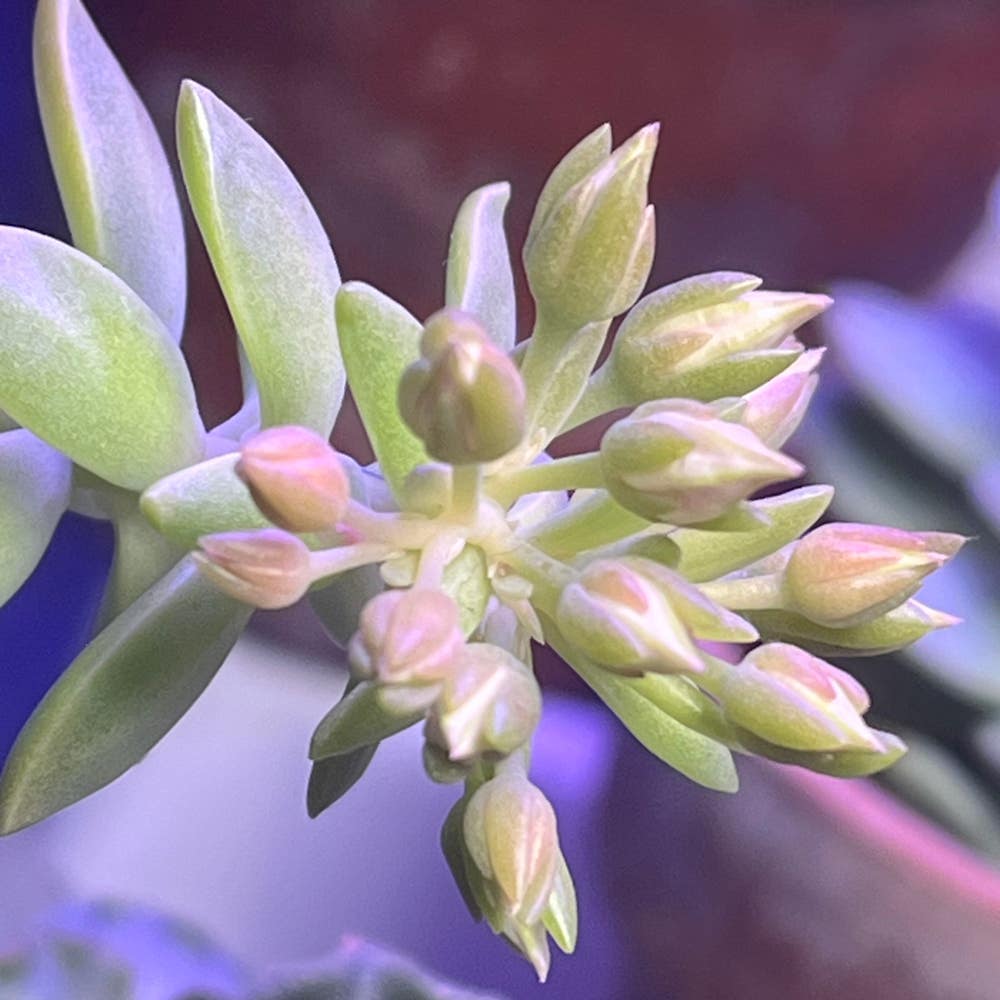
🌅 California Sunset: Where to Plant
Graptosedum 'California Sunset'
By the Greg Editorial Team
Nov 07, 2024•6 min read
This article was created with the help of AI so we can cover more plants for you. May contain errors. See one? Report it here.
- 🌞 California sunset plants need 6-8 hours of sunlight for optimal growth.
- 🌱 Well-draining soil is crucial to prevent root rot and ensure healthy plants.
- 🏡 South-facing locations maximize sunlight, enhancing vibrancy and growth of your plants.
Sunlight Exposure Requirements
Ideal Conditions 🌞
For your California sunset plants, aim for full sun to partial shade, ideally providing them with 6-8 hours of direct sunlight each day. This exposure is crucial for vibrant growth and stunning colors.
If your plants aren't getting enough light, you'll notice signs like stretched or leggy growth and faded colors. These indicators suggest it's time to reassess their location.
The best planting spots are south-facing locations, which capture maximum sunlight throughout the day. However, if your space has some shade, don't worry; these plants can tolerate light shade, though they may lose some vibrancy.
Signs of Inadequate Sunlight 🚨
Keep an eye out for stretched growth and faded colors, as these are clear signs your plants are craving more light. If you notice these changes, it might be time to relocate them to a sunnier spot.
Ideal Planting Spots 🗺️
South-facing locations are your best bet for planting California sunsets. These areas soak up the sun, ensuring your plants thrive and display their beautiful hues.
Considerations for Shade 🌥️
While these plants can handle light shade, be aware that their vibrancy may diminish. If you want to maintain their stunning appearance, prioritize sunny spots whenever possible.
Understanding sunlight exposure is key to nurturing your California sunset plants. With the right conditions, you'll enjoy a flourishing garden that brings warmth and beauty to your space.
Next, let's explore the best soil types and drainage needs to keep your plants healthy and thriving.
Best Soil Types and Drainage Needs
🌱 Soil Conditions
For successful planting, well-draining soil is crucial. It prevents root rot, which can devastate your plants.
A recommended soil mix includes cactus or succulent potting mix. Alternatively, you can create your own blend using sand, perlite, and standard potting soil.
When it comes to soil pH, aim for slightly acidic to neutral levels, ideally between 6.0 and 7.0. This range supports healthy growth and nutrient absorption.
To ensure your soil is suitable, use a soil test kit. This simple tool helps you assess nutrient levels and pH, giving you a clear picture of your planting conditions.
🚰 Drainage Solutions
Effective drainage is essential to prevent waterlogged conditions. Without it, your plants may suffer from root rot and other issues.
Consider using raised beds or pots with drainage holes. These options promote proper water flow and prevent excess moisture retention.
If you're working with garden soil, sandy amendments can enhance drainage. This adjustment allows for better aeration and root health.
Watch for signs of poor drainage, such as yellowing leaves, mushy roots, and stunted growth. These indicators signal that your plants may be struggling due to excess water.
With the right soil and drainage solutions, your plants will thrive. Next, let’s explore how to choose the best spot for your plants, considering their proximity to other plants and structures.
Proximity Considerations
🌱 Location Near Other Plants
Companion planting can significantly enhance the growth of your California sunset plants while also boosting their resistance to pests. Pairing them with other succulents or drought-tolerant plants creates a harmonious garden environment.
Proper spacing is crucial for maintaining air circulation, which helps prevent diseases. Aim for at least a few inches between plants to allow for healthy growth and airflow.
🏢 Impact of Structures
When planning your garden, evaluate any nearby structures that might cast shadows on your plants. Buildings, fences, or even larger plants can obstruct sunlight, affecting growth.
To ensure your California sunset thrives, maintain an optimal distance of 3-5 feet from these structures. This distance allows for adequate light and airflow, essential for healthy development.
Consider how sunlight patterns shift throughout the year. Seasonal changes can alter the amount of light your plants receive, so keep an eye on these variations to adjust your planting strategy accordingly.
With these proximity considerations in mind, you can create a thriving environment for your California sunset plants. Next, let’s explore the best indoor planting considerations to ensure your plants flourish inside your home.
Indoor Planting Considerations
🌍 Best Indoor Locations
For indoor planting, the best spots are south or west-facing windows. These locations provide the maximum light exposure your plants crave.
Avoid low-light areas like north-facing windows or dark corners. Your plants need bright light to thrive, so placing them in the right spot is crucial.
Rotating your plants regularly is also essential. This practice ensures even light exposure, preventing any side from becoming leggy or weak.
💡 Light and Humidity Requirements Indoors
Indoors, your plants will thrive in full sun. If natural light is insufficient, consider supplementing with grow lights to keep them healthy.
Humidity levels matter too. Most indoor plants prefer low humidity, so avoid overly humid environments that can lead to mold or rot.
Monitoring indoor conditions is key. Use a hygrometer to check humidity levels and adjust your environment as needed for optimal growth.
By carefully selecting indoor locations and managing light and humidity, you can create a thriving environment for your plants. This attention to detail will set the stage for their success, leading you to the next step in your planting journey.
Assessing and Choosing the Best Spot
🌞 Evaluation Steps
Observe Sunlight Patterns
Start by tracking sunlight exposure throughout the day. This will help you identify the best spots for your California sunset plants, ensuring they receive the 6-8 hours of direct sunlight they thrive on.Check Soil Conditions
Dig a small hole to assess the soil texture and drainage. Well-draining soil is crucial to prevent root rot, so look for a mix that allows water to flow freely.Evaluate Proximity to Structures
Take note of any nearby buildings or fences that might cast shadows. Ideally, your plants should be 3-5 feet away from structures to maximize light and airflow.
📏 Measurement Tools
Sunlight Measuring Tools
Use a light meter or smartphone apps to gauge light intensity. These tools can provide precise readings, helping you find the perfect location for your plants.Soil Testing Kits
Assess pH and nutrient levels with soil testing kits. This step ensures that your soil conditions align with the slightly acidic to neutral pH range preferred by California sunsets.Moisture Meters
Check soil moisture levels before planting with a moisture meter. This will help you avoid waterlogged conditions that can harm your plants.
By following these evaluation steps and utilizing the right measurement tools, you can confidently choose the best spot for your California sunset plants. This thoughtful approach not only enhances their growth but also ensures a vibrant display in your garden.
Next, let’s explore the best soil types and drainage needs to further support your planting efforts.
⚠️ Safety First
This content is for general information and may contain errors, omissions, or outdated details. It is not medical, veterinary advice, or an endorsement of therapeutic claims.
Always consult a qualified healthcare professional before using any plant as food, medicine, or supplement.
Never eat any plant (or feed one to pets) without confirming its identity with at least two trusted sources.
If you suspect poisoning, call Poison Control (800) 222-1222, the Pet Poison Helpline (800) 213-6680, or your local emergency service immediately.
Spotted an error? Please report it here.
Transform your garden into a vibrant oasis 🌅 with California sunset plants by using Greg's tailored care reminders and sunlight tools to ensure they thrive in the perfect conditions!