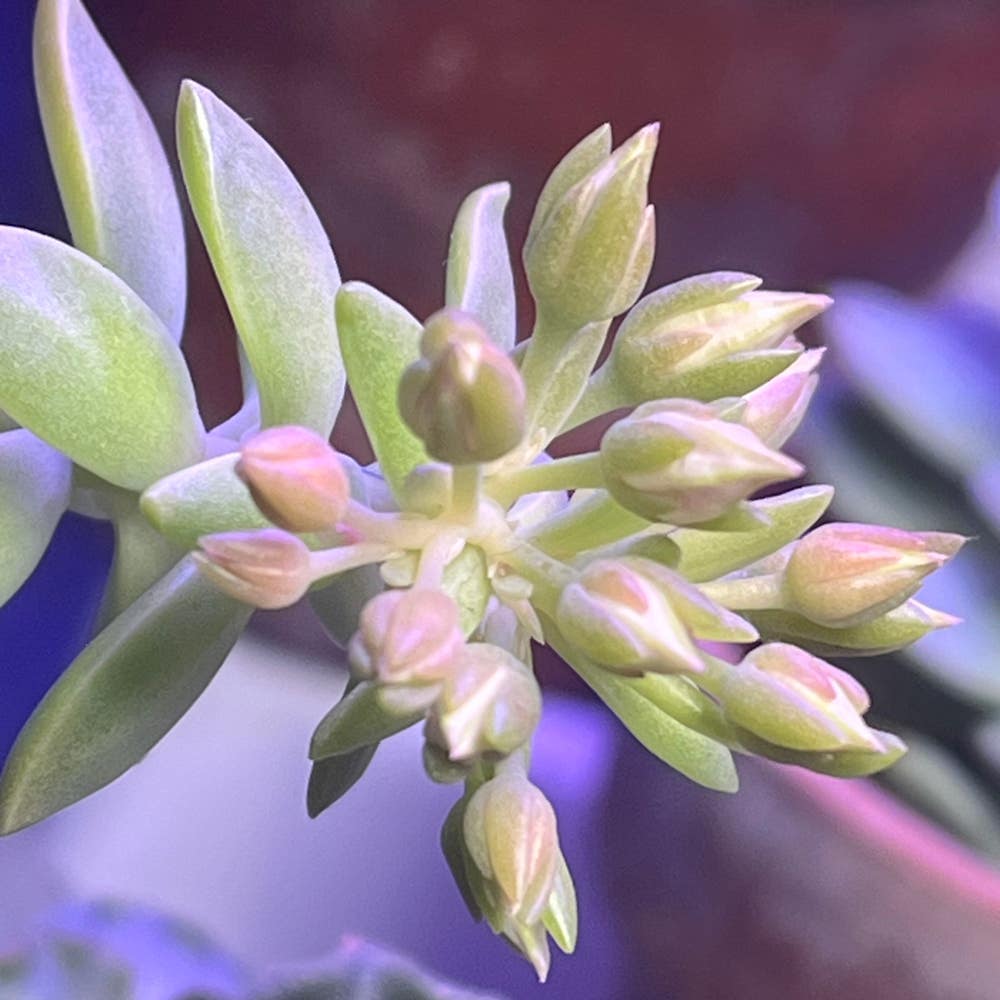
California Sunset - Fertilizing 101
Graptosedum 'California Sunset'
By the Greg Editorial Team
Jun 18, 2024•3 min read
This article was created with the help of AI so we can cover more plants for you. May contain errors. See one? Report it here.
- Organic vs. Synthetic: Choose based on nutrient release speed for your Sunset.
- Fertilize in spring and summer: Kickstart growth and maintain plant vigor.
- Avoid over-fertilization: Start with low doses and watch for warning signs.
Picking the Right Food for Your California Sunset
🌱 Organic vs. Synthetic Fertilizers
In the fertilizer showdown for your California Sunset, it's a tug-of-war between fast-acting synthetics and the slow-and-steady organics. Synthetic fertilizers are like a caffeine shot for your plants, offering a quick nutrient hit. But beware, they can be too much of a good thing. Organic options, conversely, are the marathon runners, releasing nutrients at a pace your Sunset can actually keep up with.
🌿 Slow-Release Nuggets vs. Liquid Gold
Deciding between slow-release granules and liquid fertilizers? Think of granules as a time-release capsule, steadily dispensing nutrients. They're the set-it-and-forget-it of plant care. Liquid fertilizers, on the other hand, are more like a nutrient cocktail, perfect for a thirsty Sunset in need of a quick pick-me-up.

Timing is Everything: When to Fertilize
🌱 Spring into Action: Kickstarting Growth
Spring is your California Sunset's alarm clock; it's time to wake up. As new growth emerges, a balanced fertilizer can act like a morning espresso shot for your plant. Early spring is prime time for the first round of nutrients, setting the stage for robust growth.
☀️ Summer Lovin': Maintaining Vigor
During the summer months, your California Sunset is in full swing and needs consistent nutrition to maintain its vibrancy. Monthly fertilization, post-watering, ensures the roots absorb nutrients efficiently without the risk of chemical burns. Think of it as a steady diet of energy drinks for your plant.
🍂 Fall Farewell: Preparing for Rest
As the days shorten, your plant's growth will slow down. This is the time to ease off the fertilizer and prepare your Sunset for a restful winter. A light application in early fall can help strengthen the plant, but as the cooler weather sets in, it's best to let nature take its course.

How to Serve Up the Perfect Fertilizer Meal
🌱 Soil Application: Getting Down to the Roots
Mixing fertilizer into your California Sunset's soil is like setting the table for a gourmet meal. Sprinkle slow-release pellets around the plant, steering clear of the stem and leaves to prevent burns. Cover with a thin layer of soil and water gently, ensuring the nutrients are invited to the root's dinner party without overwhelming the guests.
💧 Watering Routine Mix-ins
Liquid fertilizers are the cocktails of the plant world—dilute as directed and serve during your regular watering routine. Pour evenly around the base to quench your Sunset's thirst, but avoid turning the soil into a swampy mess. Remember, overwatering is the root rot DJ that nobody wants at their party.

Keeping it Balanced: Avoiding Over-Fertilization
💡 Spotting the Tell-Tale Signs
Yellowing leaves and stunted growth are red flags; your California Sunset may be crying out from an overabundance of love, aka fertilizer. Brown leaf tips aren't a new fashion trend—they signal nutrient burn. If your plant's leaves are as dull as a cloudy day, it's time to reassess your feeding strategy.
🍽️ The Dosage Dance: How Much is Just Right?
Start with less than the recommended fertilizer dose; it's easier to add than to subtract. Observe your plant's reaction—like a silent conversation about its needs. Gradually increase the dosage, but remember, your California Sunset doesn't need a buffet, just a well-balanced meal. Keep the nutrient levels just right to avoid turning your plant's home into a toxic wasteland.
⚠️ Safety First
This content is for general information and may contain errors, omissions, or outdated details. It is not medical, veterinary advice, or an endorsement of therapeutic claims.
Always consult a qualified healthcare professional before using any plant as food, medicine, or supplement.
Never eat any plant (or feed one to pets) without confirming its identity with at least two trusted sources.
If you suspect poisoning, call Poison Control (800) 222-1222, the Pet Poison Helpline (800) 213-6680, or your local emergency service immediately.
Spotted an error? Please report it here.
Nurture your California Sunset to peak health 🌅 with Greg's tailored fertilizing reminders, ensuring you never overdo it and always hit the sweet spot for growth.