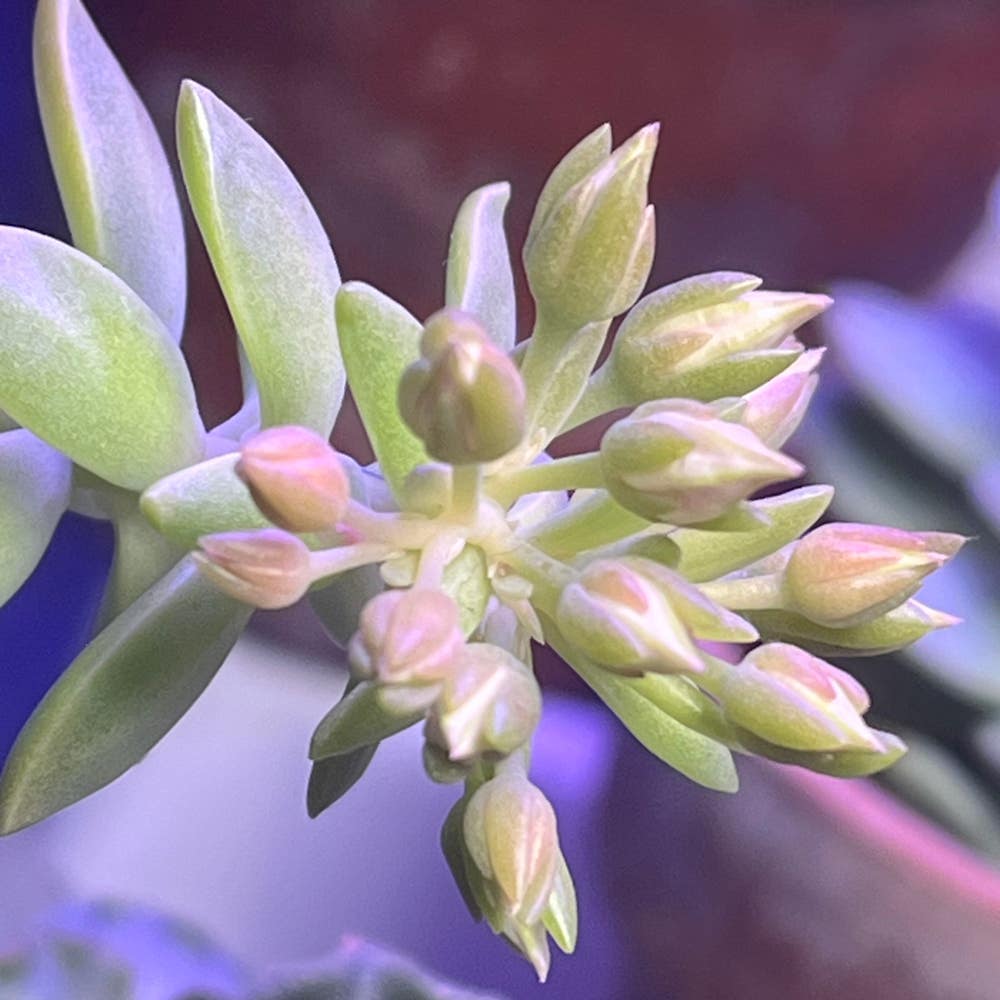
🌅 5 Do's and Don'ts of Growing California Sunset
Graptosedum 'California Sunset'
By the Greg Editorial Team
Nov 07, 2024•6 min read
This article was created with the help of AI so we can cover more plants for you. May contain errors. See one? Report it here.
- ☀️ California Sunset needs 6-8 hours of sunlight daily for optimal growth.
- 🌱 Well-draining sandy loam is ideal; test soil pH between 6.0-7.0.
- 🌬️ Protect from wind and space plants 18-24 inches apart for healthy growth.
Site Selection and Soil Preparation
🌍 Choosing the Right Location
Selecting the right location is crucial for the success of your California Sunset plants. They thrive in full sun, requiring at least 6-8 hours of sunlight daily, but can tolerate partial shade.
Wind protection is another important factor. Look for areas that are shielded from strong winds, as this can help create a more stable microclimate for your plants.
🏞️ Soil Type and Preparation Techniques
The ideal soil for California Sunset is well-draining, sandy loam or loamy soil. This type of soil allows for proper drainage while retaining enough moisture for healthy growth.
To prepare your soil, follow these steps:
- Test soil pH: Aim for a pH range of 6.0-7.0 for optimal growth.
- Amend soil: Mix in organic matter like compost or peat moss to enhance soil fertility.
- Till the soil: This improves aeration and drainage, setting the stage for healthy root development.
💧 Importance of Drainage and pH Levels
Good drainage is essential to prevent root rot and plant stress. Poor drainage can lead to waterlogged soil, which is detrimental to your California Sunset.
Adjusting pH levels is equally important for nutrient availability. Regularly check and amend your soil to maintain the ideal pH range, ensuring your plants have access to the nutrients they need to flourish.
With the right location and soil preparation, you're well on your way to a thriving California Sunset garden. Next, let’s dive into effective planting techniques to ensure your plants take root successfully.
Planting Techniques
Step-by-Step Planting Instructions 🌱
Planting California Sunset requires careful timing and technique. The best time to plant is in spring, right after the last frost, ensuring your plants have the best start.
Start by digging a hole that is twice the width and the same depth as the root ball. This gives the roots plenty of room to spread out.
Next, place the plant in the hole, making sure the crown is level with the soil surface. This positioning helps prevent water from pooling around the base, which can lead to rot.
Finally, backfill the hole with soil, gently firming it around the roots. This step is crucial for eliminating air pockets that could hinder root growth.
Spacing and Depth Considerations 📏
Proper spacing is essential for healthy growth. Aim to plant your California Sunset 18-24 inches apart to allow for optimal air circulation.
When considering depth, remember that container plants may require different treatment than those planted directly in the ground. Ensure that the root ball is at the right level to promote healthy growth.
Container vs. Outdoor Planting 🪴
Choosing between container and outdoor planting can significantly affect your gardening experience. Container growing offers benefits like mobility, space-saving, and greater control over soil conditions.
On the other hand, outdoor planting provides a natural growth environment that can attract beneficial pollinators. Each method has its perks, so consider your space and gardening goals when making your choice.
With the right planting techniques in place, you're well on your way to cultivating a thriving California Sunset garden. Next, let’s explore how to effectively water and fertilize your plants for optimal growth.
Watering and Fertilizing
💧 Watering Frequency and Techniques
Watering your California Sunset correctly is crucial for its growth. Start with deep watering right after planting to help establish the roots.
For ongoing care, allow the soil to dry out between waterings. This prevents waterlogging, which can harm the plant.
When it comes to techniques, consider using drip irrigation for efficiency. Hand watering is also effective, but ensure you reach the roots without oversaturating the soil.
🌱 Best Fertilizers
Choosing the right fertilizer can make a significant difference in your plant's health. A balanced NPK fertilizer, such as 10-10-10, is ideal for promoting robust growth.
Opt for slow-release fertilizers if you prefer less frequent applications. Fertilize every 4-6 weeks during the growing season to keep your California Sunset thriving.
🚰 Signs of Overwatering or Underwatering
Monitoring your plant's health is essential to catch any watering issues early. Overwatering often leads to yellowing leaves, wilting, and even root rot.
On the flip side, underwatering can cause drooping leaves, dry soil, and stunted growth. Keep an eye on these signs to ensure your plant receives the right amount of water.
With proper watering and fertilizing techniques, your California Sunset will flourish beautifully. Next, let’s explore pruning and maintenance to keep your plant in top shape.
Pruning and Maintenance
🌱 When and How to Prune
Pruning California Sunset plants is essential for their health and aesthetic appeal. The best time to prune is late winter or early spring, just before new growth begins.
To prune effectively, focus on removing dead or damaged branches. This not only improves the plant's appearance but also encourages healthy growth.
🔍 Ongoing Care Routine
Regular monitoring for pests and diseases is crucial in maintaining your plants. Keep an eye out for any signs of trouble, as early detection can save your plants from serious damage.
Mulching is another key aspect of ongoing care. It helps retain moisture in the soil and suppresses weeds, allowing your California Sunset to thrive.
🍂 Seasonal Care Tips
Adjust your care routine based on the seasons to ensure optimal growth. For instance, provide winter protection by covering plants during frost.
Additionally, make fertilization adjustments in the fall and spring. This ensures that your plants receive the nutrients they need during their active growth phases.
By following these pruning and maintenance tips, you can keep your California Sunset healthy and vibrant throughout the year. Next, let's explore common challenges and solutions to help you troubleshoot any issues that may arise.
Common Challenges and Solutions
🐛 Identifying and Managing Pests
Pests can be a real headache when growing California Sunset. Common culprits include aphids, spider mites, and whiteflies, which can sap your plants' vitality.
To manage these pests, consider using organic insecticides that are gentle on the environment. Introducing beneficial insects, like ladybugs, can also help keep pest populations in check naturally.
🦠 Common Diseases and Prevention Methods
Diseases can sneak up on your plants, with root rot and powdery mildew being the most prevalent. Recognizing these issues early is crucial for effective treatment.
Preventing diseases starts with proper watering practices. Ensure good air circulation around your plants to minimize humidity, which can lead to fungal growth.
🧐 Troubleshooting Growth Issues
If your California Sunset is growing slowly, it’s time to investigate. Check the soil conditions and nutrient levels to ensure they are optimal for growth.
Leaf discoloration can signal problems too. Assess your watering habits and light exposure to pinpoint the issue and get your plants back on track.
By staying vigilant and proactive, you can tackle these challenges head-on and enjoy a thriving garden. Next, let’s explore the essential pruning and maintenance techniques to keep your plants healthy and vibrant.
⚠️ Safety First
This content is for general information and may contain errors, omissions, or outdated details. It is not medical, veterinary advice, or an endorsement of therapeutic claims.
Always consult a qualified healthcare professional before using any plant as food, medicine, or supplement.
Never eat any plant (or feed one to pets) without confirming its identity with at least two trusted sources.
If you suspect poisoning, call Poison Control (800) 222-1222, the Pet Poison Helpline (800) 213-6680, or your local emergency service immediately.
Spotted an error? Please report it here.
Cultivate a thriving California Sunset 🌅 by using Greg's tailored care reminders and expert tips to keep your plants basking in the sun and growing strong!