🌅 3 Steps to a Healthy Outdoor California Sunset
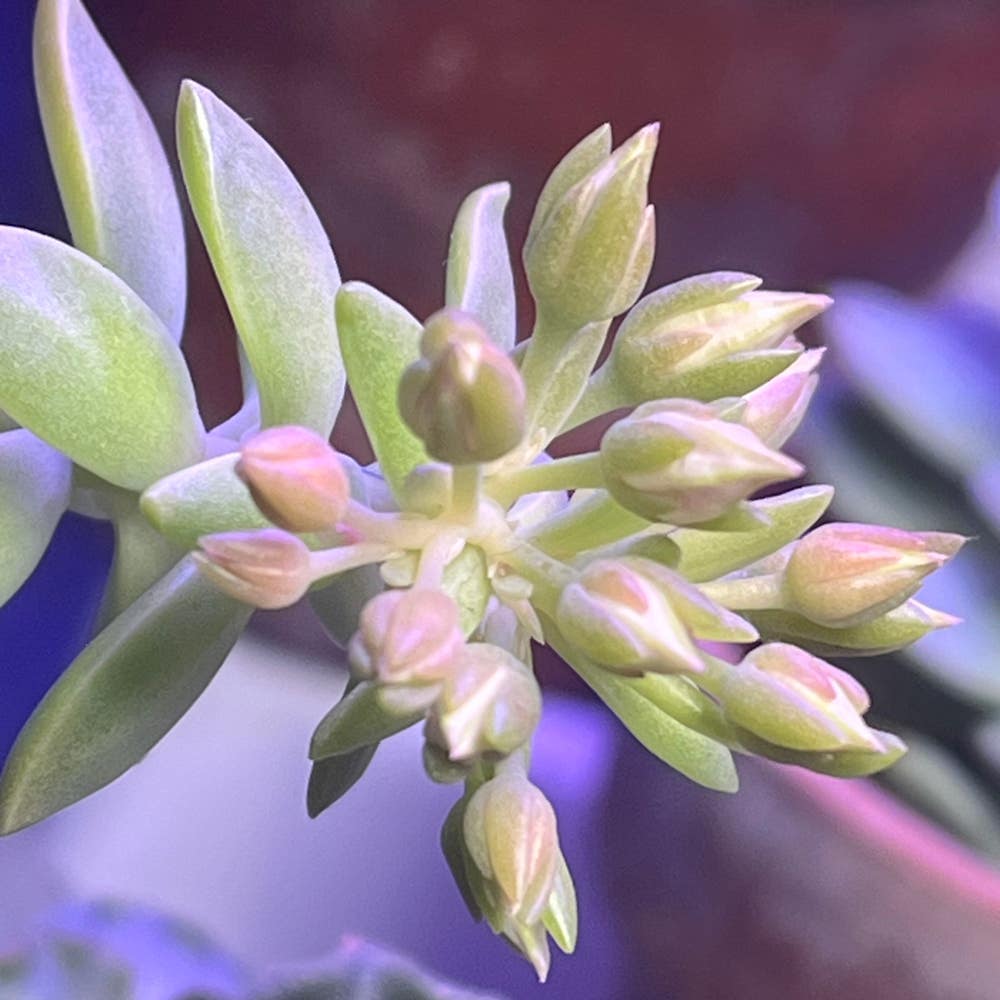
Graptosedum 'California Sunset'
By the Greg Editorial Team
Nov 07, 2024•6 min read
This article was created with the help of AI so we can cover more plants for you. May contain errors. See one? Report it here.
- ☀️ Full sun exposure of 6-8 hours is vital for a thriving California garden.
- 💧 Check soil moisture regularly; water only when the top inch is dry.
- 🌱 Well-draining soil and seasonal care adjustments ensure optimal plant health.
Sunlight Requirements
🌞 Ideal Sunlight Exposure
For a thriving garden, full sun is essential. This means your plants need at least 6-8 hours of direct sunlight each day to flourish.
Sunlight is more than just a nice-to-have; it’s crucial for vibrant foliage and robust growth. Without it, your plants may struggle to reach their full potential.
☀️ Adjustments for Different Conditions
While some plants can tolerate partial shade, this often leads to less vibrant colors. If your garden isn’t getting enough sun, you might notice stunted growth or a leggy appearance.
Keep an eye out for faded foliage as another sign of inadequate sunlight. Adjusting your plant placement can make a world of difference in their health and appearance.
With the right sunlight exposure, your outdoor space can truly come alive, setting the stage for a stunning California sunset.
Watering Needs and Frequency
🌧️ General Watering Guidelines
Watering your plants correctly is crucial for their health. During the growing season, aim to water them weekly, but be ready to adjust based on rainfall and temperature changes.
Before watering, always check the soil moisture. The top inch of soil should be dry to ensure your plants are thirsty and ready for a drink.
💧 Techniques for Effective Watering
One effective method is deep watering. This technique encourages roots to grow deeper, making your plants more resilient to drought.
Be cautious of overwatering, as it can lead to yellowing leaves and root rot. Always observe your plants for signs of distress to catch any issues early.
With these watering practices, your plants will thrive, setting the stage for a vibrant outdoor space. Next, let’s explore the ideal soil preferences and amendments to further enhance your gardening success.
Soil Preferences and Amendments
Ideal Soil Composition 🌱
To ensure your plants thrive, start with well-draining soil. This is crucial to prevent root rot, and a sandy loam or quality potting mix is highly recommended.
The soil pH should be slightly acidic to neutral, ideally between 6.0 and 7.0. This range supports optimal nutrient availability for your plants.
Soil Amendments 🧑🌾
Incorporating organic matter is a game changer for soil fertility. Adding compost or aged manure enriches the soil, providing essential nutrients that promote healthy growth.
If your soil retains too much moisture, consider improving drainage. Adding perlite or coarse sand can help create a more balanced environment for your plants, ensuring they receive the right amount of water without becoming waterlogged.
By focusing on the right soil composition and amendments, you set the stage for a flourishing garden. Next, let’s explore the various planting options available to you.
Planting Options
Container Gardening 🌱
Container gardening offers a flexible approach to growing plants, making it a popular choice for many gardeners. The primary advantage is mobility; you can easily move your plants to find the best sunlight or shelter from harsh weather.
However, container gardening does come with its challenges. Limited root space can restrict growth, meaning you may need to water more frequently to keep your plants healthy and thriving.
In-Ground Planting 🌍
In-ground planting provides a different set of benefits and drawbacks. One of the biggest advantages is the ample space for root development, which encourages larger and healthier plants.
On the flip side, in-ground planting can lead to less control over soil conditions. Depending on your existing soil quality, you might need to amend it to ensure your plants get the nutrients they need.
Understanding these planting options allows you to make informed decisions that suit your gardening style and the specific needs of your plants. Whether you choose containers or in-ground planting, each method has its unique advantages that can lead to a flourishing garden.
Protection from Weather and Pests
🌤️ Strategies for Weather Protection
Protecting your plants from harsh weather is essential for their health. Using shade cloth during extreme heat can prevent sunburn and keep your plants thriving.
In colder months, frost blankets are a must. They shield your plants from frost during unexpected cold snaps, ensuring they stay warm and protected.
🐞 Common Outdoor Pests and Control Methods
Aphids
Aphids can wreak havoc on your garden. Look for signs of infestation like curling leaves and sticky residue on your plants.
To control aphids, consider using neem oil or insecticidal soap. Introducing beneficial insects, such as ladybugs, can also help keep their numbers in check.
Spider Mites
Spider mites are another common pest that can damage your plants. Signs of their presence include fine webbing and stippled leaves.
To combat spider mites, increase humidity around your plants. You can also use miticides or introduce predatory mites to help control their population.
🛡️ Disease Prevention Techniques
Regular inspection of your plants is key to disease prevention. Monitor for any signs of disease and take action early to minimize damage.
Additionally, practicing proper watering techniques is crucial. Avoid overhead watering to reduce the risk of fungal diseases, keeping your plants healthy and vibrant.
By implementing these protective measures, you can create a thriving outdoor space that withstands the elements and remains pest-free. Next, let’s explore how to adjust your care routines with the changing seasons.
Seasonal Care
🌦️ Seasonal Changes and Their Impact on Care
As the seasons shift, so do the needs of your plants.
- Spring is the time to plant and fertilize, as growth begins to flourish.
- In summer, increase your watering frequency and keep a close eye out for pests.
- As fall approaches, prepare your plants for dormancy by reducing watering and halting fertilization.
- During winter, protect your plants from frost and extreme cold to ensure they survive until spring.
🔄 Adjusting Care Routines for Different Seasons
It's crucial to modify your watering and fertilization schedules according to seasonal growth patterns.
For instance, during the active growing season, plants may require more nutrients and moisture, while in dormancy, their needs significantly decrease.
🌍 Special Considerations for Various Climate Zones
Understanding your local climate is key to tailoring your care practices effectively.
Different climate zones can dramatically affect how you care for your plants, so take the time to research and adapt your methods accordingly.
By aligning your gardening strategies with seasonal changes and climate conditions, you’ll foster a thriving outdoor space that celebrates the beauty of California sunsets.
Next, we’ll explore the importance of protecting your plants from weather extremes and pests to ensure their health and vitality.
⚠️ Safety First
This content is for general information and may contain errors, omissions, or outdated details. It is not medical, veterinary advice, or an endorsement of therapeutic claims.
Always consult a qualified healthcare professional before using any plant as food, medicine, or supplement.
Never eat any plant (or feed one to pets) without confirming its identity with at least two trusted sources.
If you suspect poisoning, call Poison Control (800) 222-1222, the Pet Poison Helpline (800) 213-6680, or your local emergency service immediately.
Spotted an error? Please report it here.
Cultivating a vibrant outdoor California sunset garden requires sunlight, soil, and seasonal care 🌅, and with Greg's tailored watering reminders and soil health tips, you can ensure your plants thrive beautifully all year round!