🌞 Best Tips for Healthy California Sunset Roots
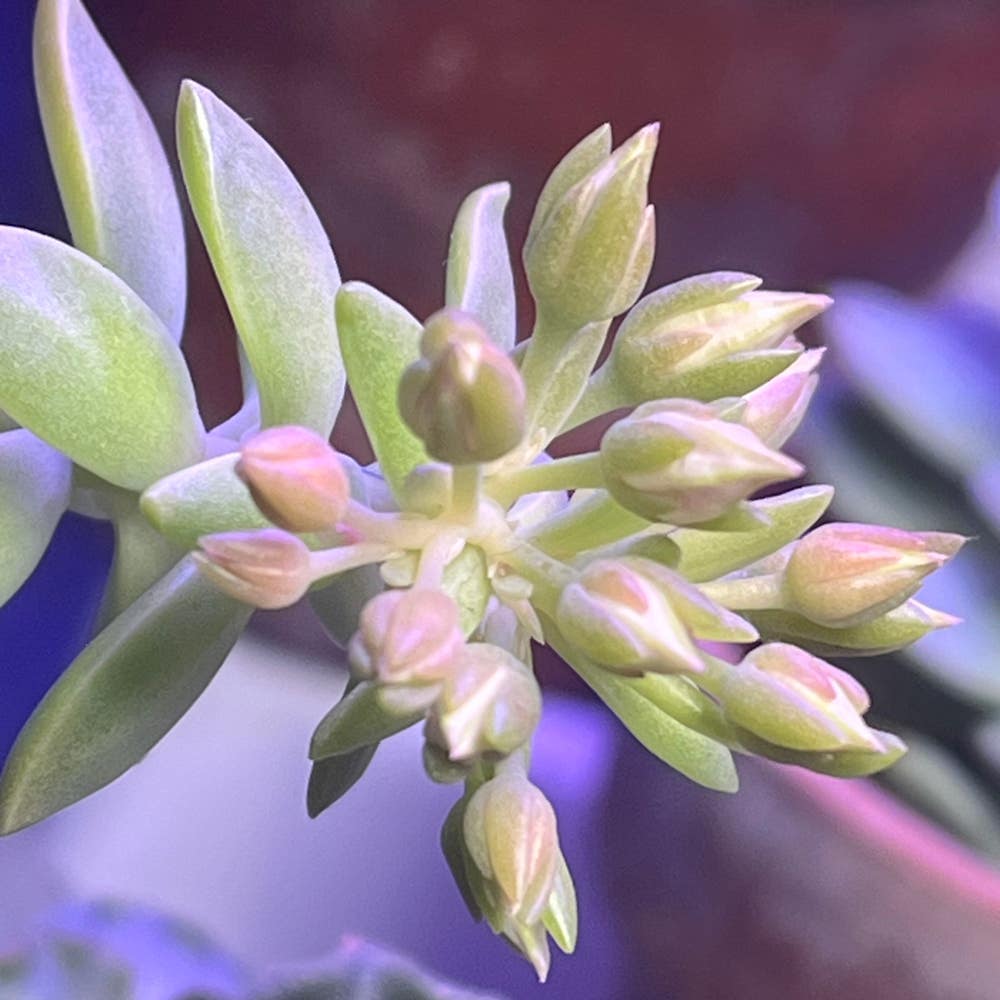
Graptosedum 'California Sunset'
By the Greg Editorial Team
Nov 07, 2024•6 min read
This article was created with the help of AI so we can cover more plants for you. May contain errors. See one? Report it here.
- 🌱 California Sunset roots thrive in well-draining soil for optimal nutrient uptake.
- 💧 Consistent moisture in upper soil layers is crucial for root health and growth.
- 🌞 Monitor root stress signs like wilting leaves to prevent serious issues.
Root System Characteristics
Type of Root System 🌱
California Sunset roots feature a fibrous root system that is both shallow and expansive. These roots spread widely, allowing for efficient nutrient and water uptake, which is crucial for healthy plant growth.
Unlike taproot systems that penetrate deep into the soil, fibrous roots remain closer to the surface. This characteristic enables them to quickly absorb moisture and nutrients from the upper soil layers, making them well-suited for various growing conditions.
Specific Characteristics 🌍
One of the standout features of California Sunset roots is their adaptability to different soil types, as long as the soil is well-draining. This flexibility allows them to thrive in diverse environments, from sandy soils to loamy mixes.
Different varieties of California Sunset may exhibit variations in root characteristics, impacting their growth and resilience. Healthy roots are vital for supporting the plant's ability to withstand environmental stressors, such as drought or nutrient deficiency, ensuring a robust and thriving plant.
Understanding these root system characteristics is essential for any gardener looking to cultivate healthy California Sunset plants. With the right care, these roots can flourish, leading to vibrant foliage and abundant blooms.
Root Depth and Growth Patterns
Depth and Spread 🌱
California Sunset roots typically grow shallow, generally within the top 12 inches of soil. However, they can spread out significantly, extending up to 2-3 feet in diameter.
Implications for Care 💧
This shallow root system means that consistent moisture in the upper soil layers is crucial. Without adequate water, these roots may struggle to absorb the nutrients they need.
Growth Patterns 🌿
During the growing season, roots grow rapidly, establishing a strong foundation for the plant.
Seasonal Growth Patterns 🌸
- Spring: Expect active root growth as the plant awakens from dormancy.
- Summer: Growth slows during extreme heat, requiring careful monitoring of moisture levels.
Understanding these growth patterns helps in providing the right care, ensuring your California Sunset thrives throughout the seasons. This knowledge sets the stage for effective watering and fertilizing practices, which we’ll explore next.
Watering and Fertilizing
💧 Watering Practices
Shallow roots need consistent moisture, so frequent watering is essential. Aim to keep the topsoil moist, especially during dry spells.
Deep watering is the best method to promote root spread. This encourages roots to grow deeper into the soil, enhancing their stability and nutrient access.
🌱 Fertilizing Techniques
When it comes to fertilizers, balanced NPK and organic options are excellent choices. They provide essential nutrients that support healthy growth.
For optimal results, fertilize in early spring and again in mid-summer. This schedule aligns with the plant's growth cycles, ensuring they receive the nutrients they need when they need them most.
By following these watering and fertilizing practices, you'll set the stage for robust root health and vibrant plant growth. Next, let’s explore common root-related issues and how to tackle them effectively.
Common Root-Related Issues
🕵️ Identifying Problems
Root health is crucial for the vitality of California Sunset roots. Watch for signs of root stress, such as wilting leaves, stunted growth, and yellowing foliage.
These symptoms often indicate that something is amiss below the surface. If you notice these changes, it’s time to investigate further.
🛠️ Prevention and Solutions
Preventing root-related issues starts with regular soil moisture checks. Ensure that the soil remains adequately moist but not waterlogged.
Using well-draining soil is essential to avoid root rot. This simple step can make a significant difference in maintaining healthy roots.
By staying vigilant and proactive, you can help your plants thrive. Healthy roots lead to robust growth and vibrant foliage, so keep an eye on those underground systems!
Next, we’ll explore how to identify indicators of root health to ensure your plants are thriving.
Indicators of Root Health
👀 Visual Cues
Healthy roots are a vital sign of a thriving plant. Look for roots that are firm and exhibit a white or light tan color.
Unhealthy roots, on the other hand, can be a cause for concern. If you notice dark, mushy, or foul-smelling roots, it's time to take action.
📊 Other Indicators
Beyond root appearance, overall plant vigor is essential. Healthy foliage and robust growth patterns indicate that the roots are functioning well.
Additionally, pay attention to the soil condition. Well-aerated soil that is free from compaction supports healthy root development and overall plant health.
Monitoring these indicators will help you maintain vibrant California Sunset Roots and ensure they thrive in your garden. Next, let’s explore how to identify and address common root-related issues.
Rootbound Plants
📏 Definition and Recognition
Rootbound plants are those that have outgrown their containers, causing roots to circle tightly within the pot. You can easily spot this condition by looking for roots emerging from drainage holes or noticing stunted growth in your plant.
🛠️ Addressing Rootbound Issues
Timing is crucial when dealing with rootbound plants. Intervene as soon as you see roots visibly circling the pot to prevent further stress.
To resolve this issue, consider repotting your plant into a larger container. This gives the roots room to expand and thrive. Alternatively, you can prune the roots to encourage new growth, but be cautious not to remove too much at once.
By addressing rootbound conditions promptly, you can help your plants flourish and maintain their health. This proactive approach not only enhances their growth but also contributes to a more vibrant garden.
Next, let’s explore the importance of root health in propagation and division.
Propagation and Division
🌱 Importance of Root Health
Healthy roots are the backbone of successful propagation and division. They ensure that new plants can thrive and establish themselves in their new environment.
✂️ Techniques for Dividing and Propagating
The best time to divide your plants is early spring, just before they kick into active growth. Follow these steps for successful division:
- Careful Removal: Gently take the plant out of its pot, being cautious not to damage the roots.
- Gentle Separation: Use your hands or a clean tool to separate the roots, ensuring each section has enough roots for stability.
- Replanting: Place the divided sections into fresh, well-draining soil, and water them thoroughly.
👀 Monitoring New Plants
After propagation, keep a close eye on your new plants. Monitoring their root health and growth is crucial for ensuring they adapt well to their new surroundings. Look for signs of vigor, such as lush foliage and steady growth, to confirm they’re on the right track.
With these techniques, you can confidently propagate and divide your California Sunset roots, ensuring they flourish in their new homes. Next, let’s explore how to identify and address common root-related issues that may arise.
⚠️ Safety First
This content is for general information and may contain errors, omissions, or outdated details. It is not medical, veterinary advice, or an endorsement of therapeutic claims.
Always consult a qualified healthcare professional before using any plant as food, medicine, or supplement.
Never eat any plant (or feed one to pets) without confirming its identity with at least two trusted sources.
If you suspect poisoning, call Poison Control (800) 222-1222, the Pet Poison Helpline (800) 213-6680, or your local emergency service immediately.
Spotted an error? Please report it here.
Nurture your California Sunset roots to flourish 🌱 with Greg's tailored watering reminders and soil checks that keep your plants thriving all year round!