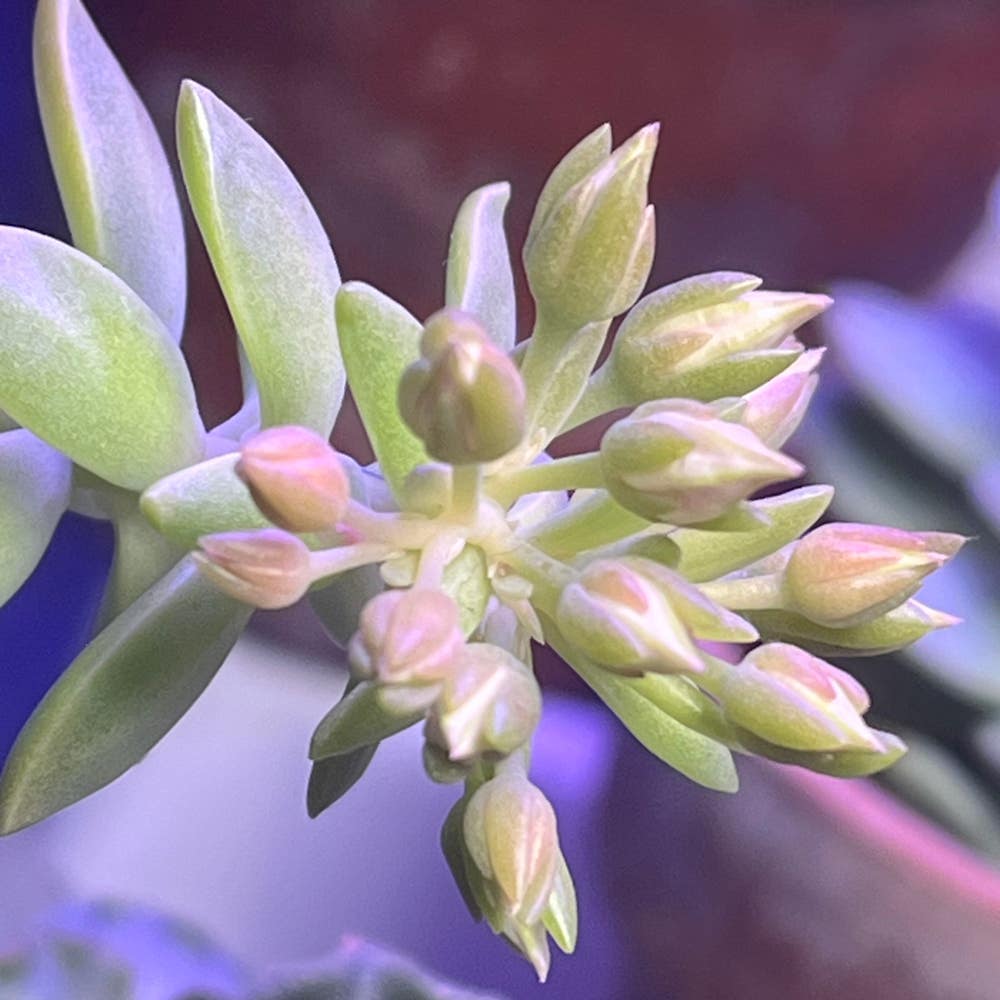
🌅 5 Quick Fixes for California Sunset Bloom Problems
Graptosedum 'California Sunset'
By the Greg Editorial Team
Nov 07, 2024•5 min read
This article was created with the help of AI so we can cover more plants for you. May contain errors. See one? Report it here.
- 💧 Consistent watering prevents drought stress, crucial for California Sunset blooms.
- 🌞 6-8 hours of sunlight daily is essential for vibrant flower production.
- 🌱 Balanced fertilization and soil pH support healthy blooms and plant vitality.
Common Causes of Failure to Bloom
🌵 Environmental Stress Factors
Drought conditions can severely impact your California Sunset blooms. Insufficient water leads to stress, inhibiting the plant's ability to produce flowers.
On the flip side, excessive moisture can be just as detrimental. Overwatering may cause root rot, which directly affects flower development and overall plant health.
🍽️ Nutritional Deficiencies
A lack of essential nutrients is another common culprit behind poor blooming. Insufficient levels of nitrogen, phosphorus, or potassium can hinder the blooming process significantly.
Additionally, soil pH imbalance plays a crucial role. If the pH strays outside the optimal range of 6.0-7.0, nutrient availability diminishes, further stunting bloom production.
☀️ Light Requirements for Flowering
Light is vital for the California Sunset's success. These plants thrive in full sun, requiring 6-8 hours of direct sunlight daily for optimal bloom production.
Prolonged shade exposure can lead to reduced flowering. If your plants aren't getting enough light, consider relocating them to sunnier spots to encourage vibrant blooms.
Understanding these common causes of blooming failure is the first step toward revitalizing your California Sunset. With the right care and attention, you can ensure a flourishing display of flowers.
Solutions for Premature Flower Drop
🌼 Identifying Causes of Premature Flower Drop
Premature flower drop can be frustrating for any gardener. High temperatures or sudden fluctuations in temperature often stress plants, leading to bud drop.
Nutritional imbalances also play a significant role. Excessive nitrogen can result in lush foliage but at the expense of blooms, leaving your plants looking green but barren.
🛠️ Solutions to Prevent Premature Flower Drop
Monitor soil moisture levels: Consistent watering is key. Ensure your plants receive adequate moisture without waterlogging, which can suffocate roots.
Adjust fertilization: Switch to a balanced fertilizer with lower nitrogen content during the blooming phase. This helps redirect energy towards flower production rather than foliage growth.
Provide shade during extreme heat: Protect your plants from the harsh sun by using shade cloths during peak temperatures. This simple step can significantly reduce stress and help maintain flower integrity.
By addressing these factors, you can help your California Sunset thrive and enjoy a vibrant bloom season. Next, let’s explore how to tackle abnormal flower development for even healthier plants.
Addressing Abnormal Flower Development
🌼 Common Abnormalities
Abnormal flower development can be frustrating for any gardener. Deformed blooms often result from environmental stress or pest damage, while color inconsistencies may signal nutritional deficiencies.
🛠️ Solutions for Normalizing Flower Development
Regularly check for pests: Inspect your plants for common culprits like aphids or spider mites. These pests can wreak havoc on your blooms, so early detection is key.
Ensure proper fertilization: Use a bloom-boosting fertilizer that is high in phosphorus. This nutrient is essential for vibrant and abundant flowers.
Maintain consistent watering: Fluctuations in soil moisture can stress your plants. Aim for a steady watering routine to support healthy growth and blooming.
By addressing these issues, you can help your California Sunset thrive and produce beautiful flowers. With a little attention and care, you can restore the vibrancy of your blooms and enjoy a flourishing garden.
Next, let’s explore the environmental factors that can affect flowering and how to optimize conditions for your plants.
Environmental Factors Affecting Flowering
🌞 Importance of Light Exposure
Full sun is crucial for the California Sunset's blooming success. These vibrant plants thrive on 6 to 8 hours of direct sunlight daily, so if your blooms are lackluster, consider relocating them to sunnier spots.
🍽️ Nutritional Needs for Optimal Blooming
To achieve stunning flowers, focus on key nutrients like phosphorus and potassium. A consistent fertilization schedule, applying a balanced fertilizer every 4 to 6 weeks during the growing season, will support robust flower development.
🚰 Soil Moisture and Drainage Considerations
Maintaining ideal moisture levels is essential; the soil should be consistently moist but well-drained. To enhance drainage, consider using raised beds or mixing perlite into your soil, ensuring your plants avoid waterlogged conditions.
By addressing these environmental factors, you can significantly improve your California Sunset's blooming potential. Next, let’s explore how pruning can further impact flowering and enhance your garden's beauty.
Pruning and Its Impact on Flowering
🌿 Best Practices for Pruning
Pruning is essential for encouraging vibrant blooms in your California Sunset plants. The best time to prune is in early spring, just before new growth begins, allowing the plant to focus its energy on producing flowers.
When pruning, focus on removing dead or damaged stems. This not only promotes better airflow but also ensures that sunlight reaches the healthy parts of the plant, fostering robust growth.
⏰ Timing of Pruning for Maximum Bloom Potential
Early spring pruning is a game changer for bloom production. By cutting back at this time, you redirect the plant's energy towards new growth, which is crucial for a flourishing display.
On the flip side, avoid late-season pruning. This can inadvertently remove potential flower buds, leaving you with fewer blooms when the season arrives.
With these pruning tips, you can significantly enhance the blooming potential of your California Sunset plants, ensuring a stunning display throughout the growing season. Next, let’s explore how environmental factors can further influence flowering.
⚠️ Safety First
This content is for general information and may contain errors, omissions, or outdated details. It is not medical, veterinary advice, or an endorsement of therapeutic claims.
Always consult a qualified healthcare professional before using any plant as food, medicine, or supplement.
Never eat any plant (or feed one to pets) without confirming its identity with at least two trusted sources.
If you suspect poisoning, call Poison Control (800) 222-1222, the Pet Poison Helpline (800) 213-6680, or your local emergency service immediately.
Spotted an error? Please report it here.
Revitalize your California Sunset blooms with consistent care 🌼—let Greg guide you with tailored reminders and expert tips for a flourishing garden!