🌅 Your California Sunset's Light Requirements
Graptosedum 'California Sunset'
By the Greg Editorial Team
Jun 18, 2024•4 min read
This article was created with the help of AI so we can cover more plants for you. May contain errors. See one? Report it here.
- Morning sun is best for outdoor California Sunset, avoiding midday harshness.
- 🏡 East/north windows ideal indoors; rotate for symmetry and even growth.
- Grow lights supplement with full-spectrum LEDs recommended for blooming.
Soaking Up the Sun: Outdoor Light Love
🌞 The Sweet Spot: Finding the Perfect Outdoor Light Balance
California Sunset thrives with ample sunlight. Aim for about 6 to 8 hours of direct sun, particularly during the cooler hours of the morning. As the day heats up, it's crucial to avoid the harsh midday sun that can scorch the leaves. Positioning is key; a spot with morning sun and afternoon shade will keep your plant in the Goldilocks zone—just right.
Weathering the Seasons
As seasons shift, so should your California Sunset's sunbathing routine. Summer's intensity demands some shade, think of it as a siesta to prevent a sunburned plant. Conversely, in winter, let it soak up more rays to compensate for the weaker sunlight. Keep an eye out for weather extremes; a DIY shade cloth or a strategic move to a sheltered spot can be a game-changer. Protecting your plant is not just about survival, it's about helping it flourish through every season's mood swings.

Basking Indoors: Nailing the Indoor Light Recipe
🌟 Window Wisdom: Picking the Perfect Indoor Spot
East or north-facing windows are the MVPs for your California Sunset when indoors. They offer that bright, indirect sunlight that's like a goldilocks zone—not too harsh, not too dim. If you're in the southern hemisphere, flip that; your plant's best friend is a south-facing window.
Got a less-than-ideal window situation? No drama. Reflective surfaces can work wonders, bouncing light around like a disco ball. And if your plant's getting too much heat, a sheer curtain can act as a nifty sunscreen.
💫 Light Rotation Rituals
Rotate your California Sunset regularly to prevent it from leaning into the light like it's eavesdropping on the sun. A quarter turn every week should do the trick. This keeps your plant looking symmetrical, like it's had a balanced diet of sunlight from all sides.
Remember, light isn't just for show; it's the conductor of your plant's growth symphony. Get it right, and you'll see your California Sunset thrive, no grow lights required. But if you're in a dimly lit apartment, consider an LED grow light as a backup singer to keep the show going.

When Flowers Follow the Light
💡 The Blooming Connection: Light's Role in Flowering
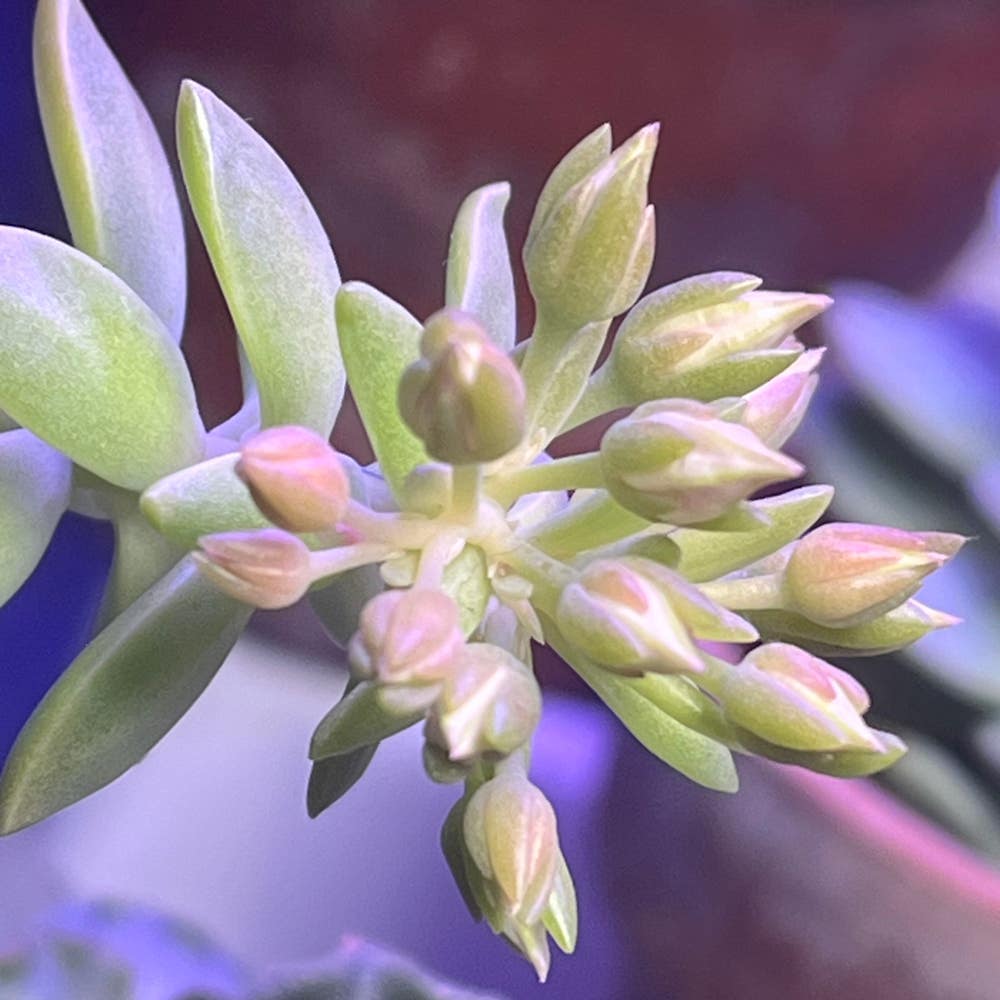
California Sunset thrives when it receives the right light cues. To trigger blooming, this succulent needs a photoperiod that mimics its natural habitat. This means long daylight hours followed by shorter periods as seasons change.
Reflective surfaces can be your secret weapon. They bounce light around, giving your plant an all-around glow-up without the extra electricity bill. Rotate your California Sunset regularly to ensure even light distribution and prevent it from reaching awkwardly for the sun.
Adjusting light to encourage blooming isn't just about quantity; it's about quality. If your plant's leaves are a chorus line of green but it's not bursting into bloom, it might be time to consider the color spectrum of your light source. Red wavelengths can be particularly persuasive in coaxing those buds to break into the spotlight.
Remember, it's not just about flipping a switch; it's about choreographing a light show that tells your plant it's time for its grand floral finale.

Supplementing Sunshine: The Lowdown on Grow Lights
💡 Choosing Your Champion: Types of Grow Lights
Grow lights are your California Sunset's winter allies. Full-spectrum LEDs are the go-to; they're the sun's understudies, offering a broad light spectrum without the solar-sized energy bill. Fluorescent T5s are another option, less intense but still effective, especially for young plants. Metal halides and high-pressure sodium lights pack a punch for growth but watch out for the heat they emit and the hit to your wallet.
💡 Grow Light Game Plan
Timing is everything when it comes to grow lights. Use them during the short, gloomy days or if your living quarters resemble a cave. Place them a few feet above your plant to prevent a California Sunset barbecue. And remember, consistency is key—timers are your best friends to mimic the sun's natural cycle. Adjust the intensity and duration to suit your plant's stage of growth, and don't forget to give your plant a quarter-turn regularly for even exposure.
⚠️ Safety First
This content is for general information and may contain errors, omissions, or outdated details. It is not medical, veterinary advice, or an endorsement of therapeutic claims.
Always consult a qualified healthcare professional before using any plant as food, medicine, or supplement.
Never eat any plant (or feed one to pets) without confirming its identity with at least two trusted sources.
If you suspect poisoning, call Poison Control (800) 222-1222, the Pet Poison Helpline (800) 213-6680, or your local emergency service immediately.
Spotted an error? Please report it here.
With Greg, you can shine bright 🌞 on your California Sunset's needs by getting personalized reminders to adjust light exposure and rotate your plant for that perfect, even glow.