🌞 Best Climate for California Sunset: Zones 9a-11b
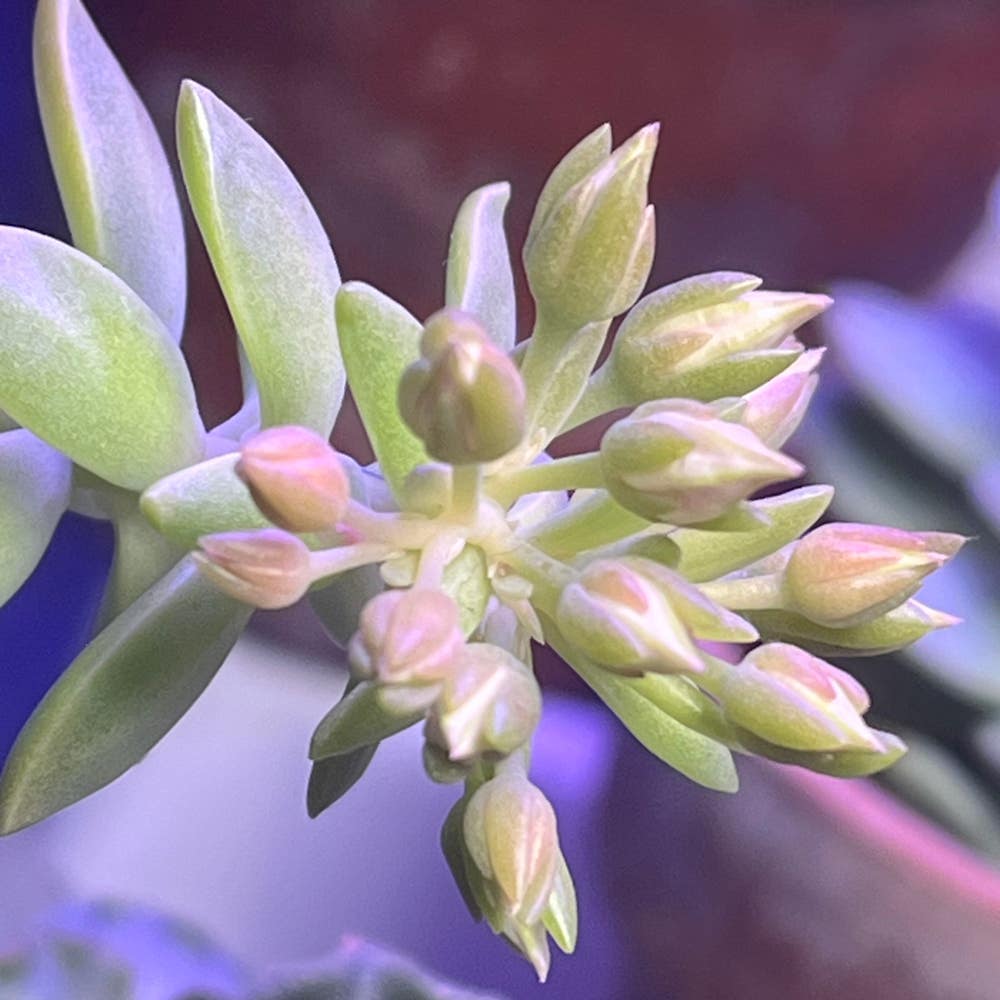
Graptosedum 'California Sunset'
By the Greg Editorial Team
Nov 07, 2024•5 min read
This article was created with the help of AI so we can cover more plants for you. May contain errors. See one? Report it here.
- 🌡️ California Sunset plants thrive in USDA zones 9a-11b, ideal for warmer climates.
- ❄️ They tolerate temperatures as low as 20°F, showcasing impressive cold resilience.
- 🌞 Optimal growth occurs between 60°F and 85°F, ensuring vibrant plant health.
Temperature Tolerance
❄️ Cold Tolerance Specifics
Understanding cold tolerance is crucial for successful cultivation. This plant can withstand minimum temperatures as low as 20°F (-6°C), making it resilient in cooler climates.
Frost can be a concern, as it may damage young growth. However, established plants typically bounce back, showcasing their adaptability and strength.
☀️ Heat Tolerance Specifics
On the flip side, this plant thrives in warm conditions, with a maximum temperature tolerance of up to 100°F (38°C). This heat tolerance is vital for growth during the sweltering summer months, ensuring robust development and vibrant blooms.
🌡️ Ideal Temperature Ranges for Growth
For optimal growth, aim for temperatures between 60°F and 85°F (15°C to 29°C). Staying within this range promotes healthy growth patterns and enhances color variations, making your garden a visual delight.
Temperature fluctuations can impact growth, so monitoring conditions is essential. By understanding these dynamics, you can create a thriving environment for your plants.
As we delve deeper into ideal regions for growing, consider how temperature tolerance plays a pivotal role in selecting the best locations for your garden.
Ideal Regions for Growing
🌍 Examples of US States in Zones 9a-11b
When considering the best states for growing in USDA zones 9a to 11b, several stand out. California, Florida, Texas, Arizona, Louisiana, and New Mexico offer diverse climates that support robust growth.
In California, regions like the Central Valley and coastal areas provide ideal conditions. Florida's southern regions, particularly around Miami, boast a warm, humid climate perfect for thriving plants. Texas has its own sweet spots, such as the Gulf Coast and parts of West Texas, while Arizona's desert regions can also be surprisingly suitable. Louisiana and New Mexico round out the list, with their unique climates fostering growth.
🌡️ Factors Contributing to Ideal Growing Conditions
The climate in these states is characterized by mild winters and warm summers. This combination allows for a longer growing season, which is crucial for many plants.
Soil conditions also play a vital role. Well-draining soils are essential to prevent root rot and support healthy growth. These states typically have the right mix of soil types, ensuring that plants can thrive without the risk of waterlogging.
🔍 Comparison of Different Regions Within the Suitable Zones
While all these states fall within the same USDA zones, their climates can vary significantly. For instance, California's coastal regions enjoy a Mediterranean climate, while Texas may experience more humidity and heat.
Local geography further influences these growing conditions. Elevation, proximity to water bodies, and urban heat islands can create microclimates that either enhance or hinder plant growth. Understanding these variations is key to successful cultivation in each region.
As you explore these ideal growing areas, consider how local conditions can impact your gardening success. This knowledge will help you make informed decisions about where to plant and what to expect.
Microclimates and Their Impact
🌱 How Microclimates Can Extend Growing Range
Microclimates are localized areas where the climate differs from the surrounding region. They can significantly expand the growing range of plants, allowing species to thrive outside their typical hardiness zones.
Several factors contribute to the creation of microclimates. Elevation changes can lead to cooler temperatures, while proximity to water bodies can moderate temperature extremes. Urban heat islands, formed by buildings and pavement, can also create warmer conditions that benefit certain plants.
🌍 Examples of Microclimates Affecting Growth
In California, the contrast between coastal areas and inland valleys illustrates the impact of microclimates. Coastal regions benefit from cooler, moist air, while inland valleys experience higher temperatures, allowing for diverse plant growth.
Florida and Texas also showcase significant microclimates. In Florida, the subtropical climate supports lush vegetation, while Texas features varied conditions from humid coastal areas to arid regions, each fostering unique plant communities. Understanding these microclimates is essential for successful cultivation in these states.
As we explore state-level suitability, we’ll delve deeper into how these microclimates influence plant growth and overall climate adaptability.
State-Level Suitability Analysis
🌱 Suitable States
California, Florida, Texas, Arizona, Louisiana, and New Mexico are prime locations for thriving growth. Each state boasts a climate that aligns well with the needs of plants in USDA zones 9a-11b.
- California: Known for its Mediterranean climate, California offers mild winters and warm summers, perfect for growth.
- Florida: With its humid subtropical climate, Florida provides ample warmth and moisture, ideal for many plants.
- Texas: The diverse climate ranges from arid to humid, allowing for a variety of growing conditions across the state.
- Arizona: Characterized by a desert climate, Arizona has hot summers and mild winters, supporting heat-tolerant species.
- Louisiana: Its humid subtropical climate ensures warm temperatures and plenty of rainfall, fostering lush growth.
- New Mexico: With its high desert climate, New Mexico experiences warm days and cool nights, creating unique growing conditions.
❌ Unsuitable States
On the flip side, states like North Dakota, Minnesota, and Maine fall outside the hardiness zone range. These regions face challenges that hinder successful cultivation.
- North Dakota: Extreme cold temperatures and long winters limit the growing season significantly.
- Minnesota: Similar to North Dakota, it experiences harsh winters and frost risks that can damage sensitive plants.
- Maine: The cooler climate and shorter growing season make it difficult for plants requiring warmer temperatures to thrive.
📊 Reasons for Suitability or Unsuitability
Understanding the climate dynamics is crucial for successful cultivation. Temperature extremes and frost dates play a significant role in determining plant viability.
- Temperature Extremes: States within the suitable range experience milder winters and warmer summers, promoting healthy growth.
- Frost Dates: Regions with later frost dates allow for longer growing seasons, benefiting plant development.
- Local Climate Patterns: Recognizing these patterns helps gardeners choose the right plants for their specific environments.
By grasping these factors, you can make informed decisions about where to plant and how to nurture your garden. This knowledge not only enhances your gardening success but also deepens your connection to the local climate.
⚠️ Safety First
This content is for general information and may contain errors, omissions, or outdated details. It is not medical, veterinary advice, or an endorsement of therapeutic claims.
Always consult a qualified healthcare professional before using any plant as food, medicine, or supplement.
Never eat any plant (or feed one to pets) without confirming its identity with at least two trusted sources.
If you suspect poisoning, call Poison Control (800) 222-1222, the Pet Poison Helpline (800) 213-6680, or your local emergency service immediately.
Spotted an error? Please report it here.
Unlock the secret to thriving California Sunset plants 🌅 by using Greg's tailored care reminders and climate insights to help you navigate your local growing conditions!