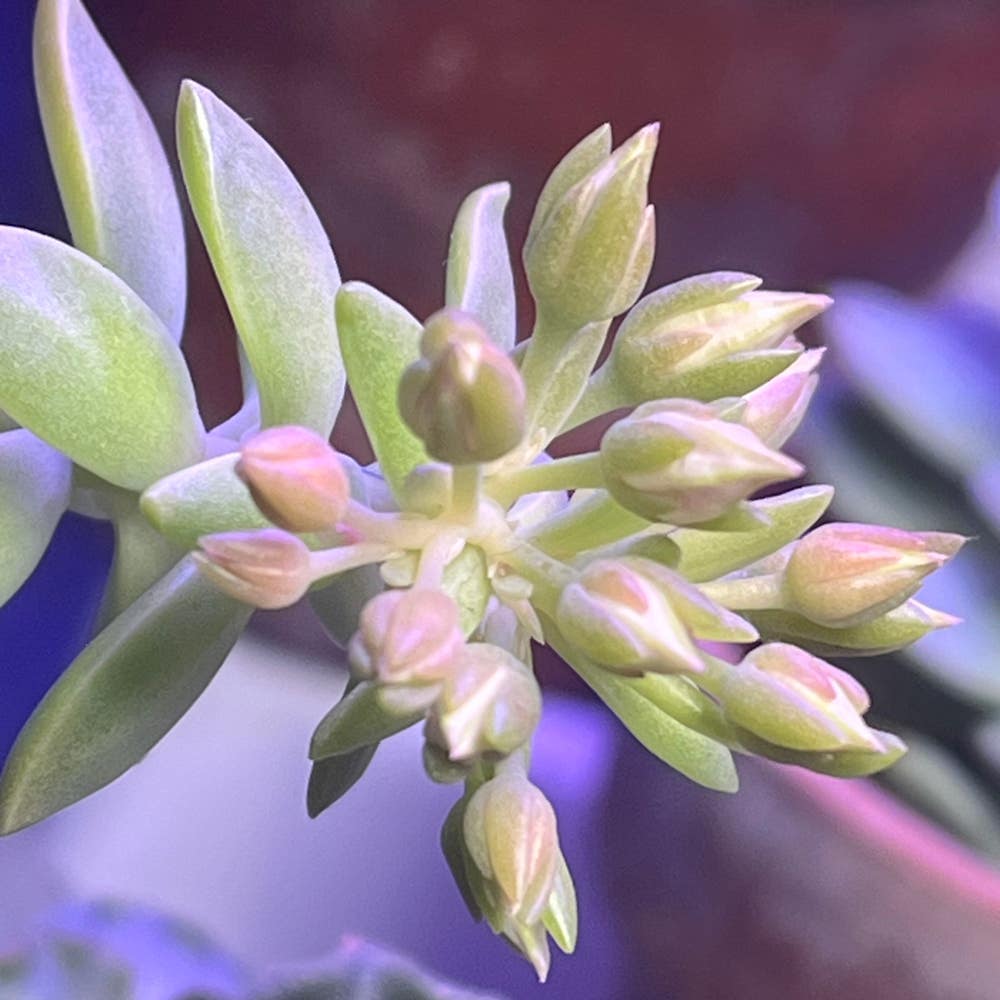
When and Where Should I Trim My California Sunset?
Graptosedum 'California Sunset'
By the Greg Editorial Team
Jun 18, 2024•3 min read
This article was created with the help of AI so we can cover more plants for you. May contain errors. See one? Report it here.
- Spring pruning maximizes growth and healing.
- Avoid wet weather pruning to dodge fungal diseases.
- Prune judiciously—never more than one-third of foliage.
Timing Your Trims: When to Prune for Perfection
🌱 Seasonal Smarts: Picking the Right Time of Year
Pruning your California Sunset isn't just a snip here and a snip there; it's about timing. Spring is your golden ticket, as the plant wakes up from its winter slumber ready to burst into growth. This season allows the plant to heal quickly, minimizing stress and maximizing potential. But don't just take my word for it, early spring is the go-to for most plants, and your Sunset is no exception.
☔️ Weather Watch: Avoiding Pruning Pitfalls
Now, before you go all Edward Scissorhands on your plant, remember that weather plays a part too. Avoid pruning when it's wet out there; dampness is the playground for fungal diseases, and you don't want that. Also, steer clear of the scorching midday sun which can cause cuts to dry out. Aim for a mild, dry day to give your plant the spa treatment it deserves.

Pruning Places: Where to Make the Cut
🌿 Spotting Trouble: Removing Dead or Damaged Foliage
Dead or damaged foliage isn't just an eyesore; it's a red flag. Spot these troublemakers and show them the exit with a clean snip. Above a node is your sweet spot – it's the plant's natural healing point. Remember, you're not just tidying up; you're stopping disease in its tracks.
🌱 Shape and Structure: Strategic Cuts for Beauty
Visualize your California Sunset's ideal silhouette – this isn't a wild chop session, it's a thoughtful sculpting process. Aim for cuts that encourage a balanced, symmetrical form. Direction matters: snip above a node facing the way you want new growth to head. It's like giving your plant a subtle hint without saying a word.

Pruning Techniques: Crafting Your California Sunset
✂️ Pinching Back: Encouraging Bushy Growth
To coax your California Sunset into a fuller form, get hands-on with pinching. This simple technique involves removing the tips of young stems, ideally just above a set of leaves. Why bother? Pinching back sends a clear growth memo to your plant: branch out. And it listens. The result is a denser, bushier plant, with more leaves to soak up that California sun. Just use your fingers—no tools required—and pinch with purpose.
🌿 Clean Cuts: Tools and Techniques for Healthy Pruning
When it's time to get serious with your shears, sharpness is your best friend. Dull tools can damage your California Sunset, leaving it vulnerable to pests and diseases. For most cuts, a pair of pruning shears will do the trick, slicing through stems like a hot knife through butter. Got something thicker? Lopping shears or a hand saw might be your go-to. And remember, cleanliness is not just for show; disinfect your tools before each use to keep your plant in top health. It's like surgery for your Sunset—sterile and precise.

Pruning Precautions: Keeping Your Plant Happy and Healthy
🌿 Over-Pruning: How Much is Too Much?
Over-pruning is akin to an overzealous haircut—it can leave your California Sunset looking bare and vulnerable. To avoid this, never remove more than one-third of the plant's foliage at a time. Signs you've gone too far include a sudden lack of new growth, visible stress on the plant, or a sparse appearance that doesn't rebound with time.
🌱 Aftercare: Ensuring Recovery Post-Prune
After pruning, your plant's like an athlete post-marathon—it needs TLC. Hold off on fertilizing; let the plant focus on healing, not growing. Water judiciously, as overwatering can lead to root issues, especially when the plant's defenses are down. Keep an eye out for distress—wilting, discoloration, or pests. Quick action can prevent a molehill from becoming a mountain.
⚠️ Safety First
This content is for general information and may contain errors, omissions, or outdated details. It is not medical, veterinary advice, or an endorsement of therapeutic claims.
Always consult a qualified healthcare professional before using any plant as food, medicine, or supplement.
Never eat any plant (or feed one to pets) without confirming its identity with at least two trusted sources.
If you suspect poisoning, call Poison Control (800) 222-1222, the Pet Poison Helpline (800) 213-6680, or your local emergency service immediately.
Spotted an error? Please report it here.
Prune your California Sunset to perfection this spring with Greg's tailored reminders 🌄, ensuring you snip at the right time and in the right way for lush growth.