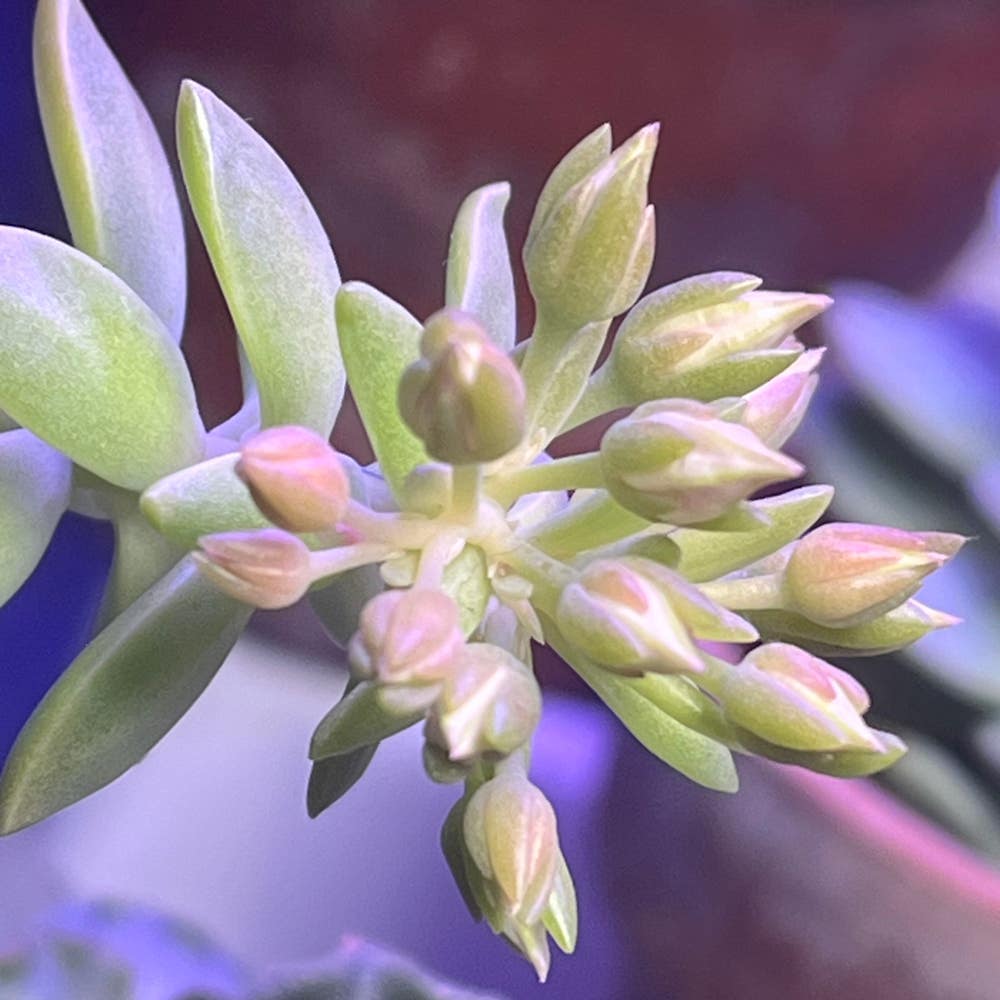
🌅 What Temperature Does My California Sunset Need?
Graptosedum 'California Sunset'
By the Greg Editorial Team
Jun 18, 2024•3 min read
This article was created with the help of AI so we can cover more plants for you. May contain errors. See one? Report it here.
- 🌡️ Day 70-100°F, night 50-70°F - ideal temperature range for California Sunset.
- Wilting and browning? Your plant might be too hot.
- Shivering leaves? Time to protect your plant from the cold.
When It's Just Right: The Ideal Temperature Sweet Spot
🌡️ Daytime Delight
- 70-100°F (21-38°C) is your California Sunset's jam during the day. It's the Goldilocks zone for photosynthesis without turning your plant into a crispy critter.
🌙 Nighttime Nurturing
- As the sun takes a bow, aim for 50-70°F (10-21°C). These cooler temps are like a nightcap for your plant, essential for its rest and recovery.

Signs Your California Sunset is Feeling the Heat
🚩 Visual Distress Signals
Wilting is your California Sunset waving a white flag; it's overheated. Leaves curling inwards are like a hedgehog rolling into a ball, a defensive move against excessive heat. Browning is akin to a sunburn, a clear cry for less light and more shade.
🚨 The Consequences of Ignoring the Signs
Neglecting these visual pleas can lead to a domino effect of plant health issues. Leaf drop is like your plant shedding unnecessary weight, trying to survive the heat wave. Ignoring these signs? You're risking a full plant meltdown, from stunted growth to a complete loss of vibrancy. Keep an eye out, or your California Sunset might just set for good.

Chilling Out: Protecting Your Plant from the Cold
❄️ Recognizing the Shivers
- Shivering leaves signal your California Sunset is too cold.
- Look for drooping, discoloration, or a mushy texture.
❄️ Keeping the Cold at Bay
- Insulate your plant on chilly nights; think blankets, not just thoughts.
- Relocate potted plants to a warmer spot, away from drafty windows.
- Burlap barriers can shield outdoor plants from biting winds.
- Water walls or heaters might be overkill, but hey, desperate times.
- Avoid the heartbreak of a cold-damaged plant; act before the frost bites.

A Quick Dip into Humidity
💧 The Humidity Factor
Humidity isn't just a backdrop; it's a key player in your California Sunset's well-being. Think of it as the plant's personal weather system. Ideal levels hover around 50%, creating a cozy microclimate that prevents the leaves from going full raisin mode or turning into a mold buffet.
⚖️ The Balancing Act
Too dry, and your plant's leaves will throw a tantrum with curls and crispy tips. Too moist, and you're inviting a host of foliar diseases and root rot to the party. It's like walking a tightrope while juggling water balloons—tricky, but doable.
💨 Humidity Helpers
If your indoor air is giving Sahara vibes, consider a humidifier or a pebble tray setup to up the ante. Conversely, if you're swimming in a humidity soup, pair your Sunset with some humidity-hogging pals like Aloe Vera or Spider Plant. They're the sidekicks that help your main hero shine.
🌡️ Monitoring Made Simple
Don't leave humidity to chance. Use a hygrometer to keep tabs on the air's moisture level. It's like having a weather station dedicated to your plant's comfort—no meteorology degree required.
⚠️ Safety First
This content is for general information and may contain errors, omissions, or outdated details. It is not medical, veterinary advice, or an endorsement of therapeutic claims.
Always consult a qualified healthcare professional before using any plant as food, medicine, or supplement.
Never eat any plant (or feed one to pets) without confirming its identity with at least two trusted sources.
If you suspect poisoning, call Poison Control (800) 222-1222, the Pet Poison Helpline (800) 213-6680, or your local emergency service immediately.
Spotted an error? Please report it here.
Ensure your California Sunset plants flourish 🌡 by using Greg to monitor and adjust their environment for perfect growth conditions.