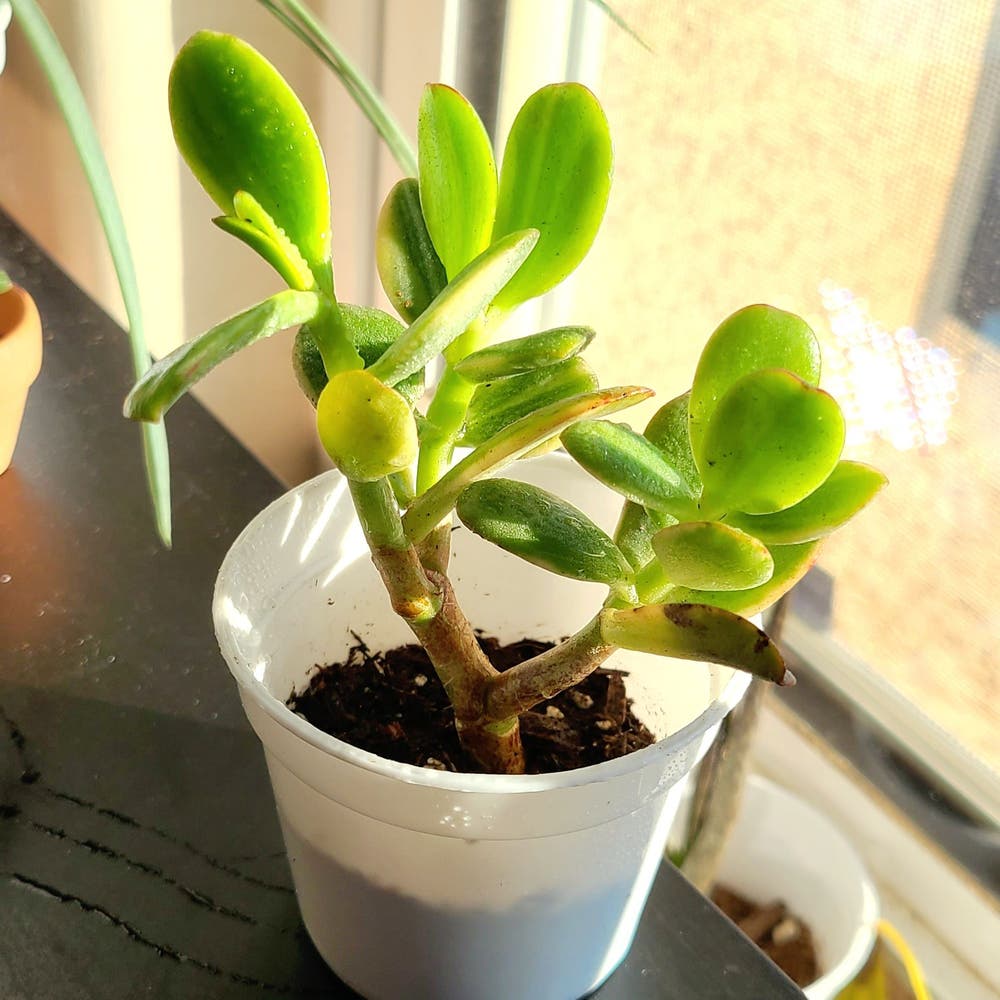
🌱 Variegated Jade Plant Is a Garden Plant, Not a Weed
Crassula ovata 'Variegata'
By the Greg Editorial Team
Nov 07, 2024•5 min read
This article was created with the help of AI so we can cover more plants for you. May contain errors. See one? Report it here.
Elevate your garden's beauty 🌱 while promoting sustainability with the stunning, low-water variegated jade plant!
- 🌱 Variegated jade plants are non-invasive, making them ideal for sustainable gardens.
- 💧 Drought-tolerant and low-maintenance, they thrive with minimal water and care.
- 🌞 They prefer full sun and well-draining soil, enhancing garden beauty effortlessly.
Growth Habits and Characteristics
🌱 Typical Growth Patterns
The variegated jade plant exhibits a moderate growth rate, primarily focusing on vertical expansion. During the warmer months, it thrives with active growth, while it enters a period of dormancy in winter.
🚧 Natural Limits to Growth
This plant has a limited spread, as it typically does not self-seed or spread aggressively. Its shallow root system ensures it does not disrupt surrounding plants, making it a considerate choice for garden spaces.
🌞 Environmental Conditions
For optimal growth, the variegated jade plant requires well-draining soil, ideally sandy or loamy. It flourishes in full sun to partial shade, and its low water requirements make it drought-tolerant, perfect for those looking to conserve resources.
Incorporating the variegated jade plant into your garden can enhance its beauty while ensuring it remains manageable. With its unique growth habits and environmental needs, this plant is a fantastic addition to any garden enthusiast's collection.
Next, we will explore the ecological role of the variegated jade plant and its benefits to local ecosystems.
Ecological Role
Benefits to Local Ecosystems 🌱
The variegated jade plant plays a vital role in enhancing biodiversity. Its presence provides essential habitat and food for various insects, contributing to a balanced ecosystem.
Additionally, this plant aids in soil health. Its shallow root system helps prevent erosion, stabilizing the soil and promoting a healthier environment for surrounding flora.
Positive Interactions with Wildlife 🐝
One of the most delightful aspects of the variegated jade plant is its ability to attract pollinators. The flowers draw in bees and other beneficial insects, which are crucial for pollination in gardens.
Moreover, the plant supports beneficial insects by offering shelter and food sources. This interaction fosters a thriving ecosystem, making the jade plant a valuable addition to any garden.
Incorporating the variegated jade plant not only beautifies your space but also enriches the local environment. Its ecological benefits make it a smart choice for sustainable gardening practices.
Garden Management
Incorporation into Garden Designs 🌿
When incorporating the variegated jade plant into your garden, think about its role as a focal point. Its striking appearance makes it perfect for standing out in mixed plantings.
Consider pairing it with other succulents or drought-tolerant plants. This not only enhances the visual appeal but also creates a harmonious ecosystem that thrives on minimal water.
Growth Control Methods ✂️
To keep your variegated jade plant looking its best, regular pruning is essential. Trimming helps maintain its shape and size, ensuring it doesn’t become unruly.
Establishing a watering schedule is equally important. Set reminders to water sparingly, as this plant thrives on low water needs, making it a perfect choice for busy gardeners.
Incorporating these management strategies will not only enhance your garden's aesthetics but also promote a healthy growing environment for your variegated jade plant. As you plan your garden, remember that thoughtful placement and care can lead to a vibrant and sustainable landscape.
Comparison to Other Plants
🌱 Similar Non-Invasive Plants
When considering non-invasive alternatives to the Variegated Jade Plant, look no further than Echeveria, Haworthia, and Sedum species. These plants share similar drought tolerance and growth habits, making them excellent companions in a water-wise garden.
Echeveria, known for its rosette shape, thrives in similar conditions and adds a splash of color with its vibrant leaves. Haworthia, with its striking patterns and textures, complements the Jade Plant beautifully. Sedum species are also fantastic choices, offering a variety of forms and colors while maintaining low water needs.
✨ Unique Qualities
What sets the Variegated Jade Plant apart is its distinctive variegation. The unique leaf patterns, often splashed with creamy whites and yellows, create a visual interest that few other succulents can match.
Moreover, this plant's versatility is noteworthy. It flourishes both indoors and outdoors, adapting to various environments while still making a statement. Whether you’re looking to enhance your home decor or add character to your garden, the Variegated Jade Plant stands out as a top choice.
As you explore your gardening options, consider how these unique qualities can enrich your space. The next section will delve into the legal and environmental considerations of incorporating such plants into your garden.
Legal and Environmental Considerations
🌱 Classifications and Guidelines
When it comes to planting non-invasive species like the Variegated Jade Plant, understanding local regulations is crucial. Many regions have guidelines that promote the use of non-invasive plants to protect local ecosystems from aggressive species.
Choosing non-invasive plants is not just a trend; it's a commitment to sustainable gardening. By selecting plants that won't outcompete native flora, you contribute to a balanced ecosystem, ensuring that local wildlife thrives.
♻️ Sustainable Gardening Practices
Incorporating the Variegated Jade Plant into your garden design can enhance its eco-friendliness. This plant not only adds aesthetic value but also supports sustainable practices by requiring less water and maintenance.
Using native and non-invasive plants like the Variegated Jade Plant offers numerous benefits. They help maintain soil health, attract beneficial insects, and reduce the need for chemical interventions, making your garden a sanctuary for both plants and wildlife.
As you plan your garden, remember that every choice counts. Opting for non-invasive species is a step toward a more sustainable and vibrant ecosystem.
⚠️ Safety First
This content is for general information and may contain errors, omissions, or outdated details. It is not medical, veterinary advice, or an endorsement of therapeutic claims.
Always consult a qualified healthcare professional before using any plant as food, medicine, or supplement.
Never eat any plant (or feed one to pets) without confirming its identity with at least two trusted sources.
If you suspect poisoning, call Poison Control (800) 222-1222, the Pet Poison Helpline (800) 213-6680, or your local emergency service immediately.
Spotted an error? Please report it here.
Cultivate the stunning variegated jade plant 🌿 effortlessly with Greg's tailored watering reminders, ensuring your garden thrives while supporting local ecosystems!