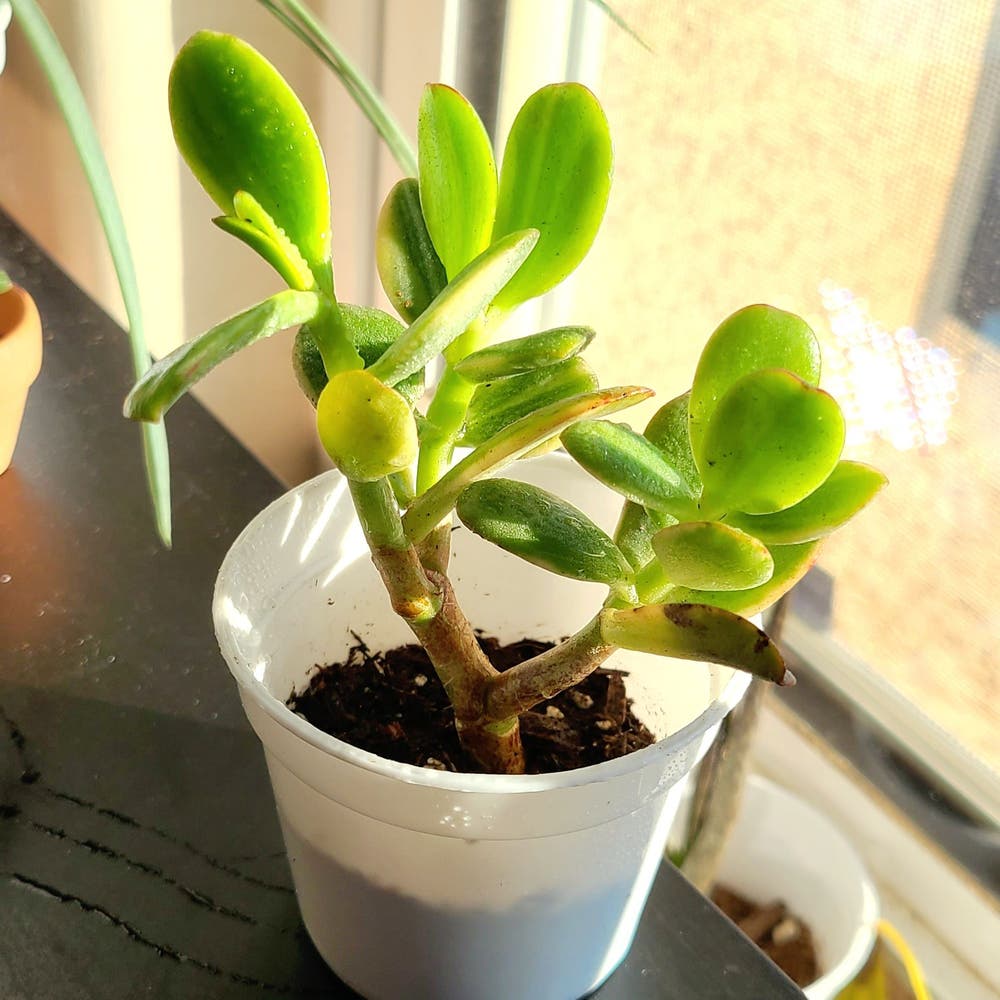
🌱 Why Variegated Jade Plant Is A Perennial Plant
Crassula ovata 'Variegata'
By the Greg Editorial Team
Nov 07, 2024•6 min read
This article was created with the help of AI so we can cover more plants for you. May contain errors. See one? Report it here.
Unlock decades of beauty with the resilient variegated jade plant—your low-maintenance garden companion! 🌱✨
- 🌱 Variegated jade plants are true perennials, thriving for decades with proper care.
- 💧 Thick leaves store water, enabling survival in arid conditions and reducing maintenance.
- 🌞 Optimal light and soil are crucial for vibrant growth and longevity.
Characteristics that Classify Variegated Jade Plant as Perennial
🌱 Multi-Year Lifecycle
The variegated jade plant is a true perennial, capable of living for several decades. This longevity showcases its remarkable lifecycle, where it can thrive year after year.
Each growing season, the jade plant demonstrates its resilience by regrowing from the same root system. New growth emerges from established roots, ensuring that the plant continues to flourish.
🌵 Resilience and Adaptation
One of the jade plant's standout features is its adaptation to arid conditions. Its thick, fleshy leaves act as natural reservoirs, storing water and allowing the plant to survive during dry spells.
Additionally, the variegated traits of the jade plant—its unique leaf patterns and colors—not only enhance its aesthetic appeal but also contribute to its perennial nature. These characteristics help the plant maintain its vitality while standing out in any garden setting.
With its impressive resilience and adaptability, the variegated jade plant is a fantastic choice for gardeners looking for a low-maintenance yet visually striking perennial. As we explore its impact on growth and lifespan, you'll see how these traits further enhance its appeal.
Impact of Perennial Nature on Growth and Lifespan
🌸 Effects on Flowering and Overall Lifespan
The variegated jade plant typically showcases its stunning flowers in late winter to early spring, given the right conditions. However, flowering can fluctuate based on environmental factors like light and temperature, making each blooming season a unique experience.
With proper care, the expected lifespan of a variegated jade plant can stretch into several decades. Key factors influencing its longevity include soil quality, watering practices, and light exposure, all of which play a crucial role in maintaining its health over the years.
🌼 Understanding Flowering Patterns
Flowering patterns are not just about aesthetics; they reflect the plant's overall health. When conditions are optimal, you can expect vibrant blooms that add charm to your space.
However, if the environment isn't quite right, you might see fewer flowers. This variability emphasizes the importance of creating a nurturing environment for your jade plant.
⏳ Lifespan Considerations
The longevity of your variegated jade plant is a testament to its resilience. With the right care, these plants can thrive for decades, becoming a lasting part of your garden or home.
Soil quality is paramount; well-draining soil helps prevent root rot, while proper watering practices ensure the plant doesn't dry out. Additionally, adequate light exposure is essential for promoting healthy growth and flowering.
📚 Conclusion
Understanding the flowering patterns and lifespan of the variegated jade plant can enhance your gardening experience. By providing optimal conditions, you can enjoy the beauty of this perennial plant for many years to come.
Next, we will explore the dormancy and seasonal changes that affect the care and growth of the variegated jade plant.
Dormancy and Seasonal Changes
🌱 Description of Dormancy Periods
The variegated jade plant typically enters dormancy during the winter months. During this time, it experiences reduced growth and has lower water needs, allowing it to conserve energy.
🌼 Seasonal Changes in Growth and Care
As spring and summer roll in, the jade plant shifts into an active growth phase. This is when it thrives, requiring more attention and care to support its vibrant growth.
During dormancy, care adjustments are crucial. Reduce watering and minimize fertilization to align with the plant's lower activity levels.
Understanding these seasonal changes helps you provide the right care at the right time. This ensures your jade plant remains healthy and vibrant throughout the year.
With the right approach, you can enjoy the beauty of your variegated jade plant for decades to come. Next, let’s explore the advantages this perennial nature offers for gardeners.
Advantages for Gardeners
🌱 Benefits of Reduced Replanting
The variegated jade plant is a fantastic long-term investment for any gardener. Unlike annuals that need to be replanted each year, this perennial beauty thrives for decades, saving you the hassle and expense of frequent replacements.
This longevity translates into significant cost-effectiveness. Over time, you'll notice savings on plant purchases, allowing you to allocate your gardening budget to other exciting projects.
🌳 Importance of Established Root Systems
One of the standout features of the variegated jade plant is its established root system. This robust foundation provides enhanced stability and resilience, ensuring better water and nutrient uptake.
Moreover, these strong roots contribute to improved drought resistance. The plant can survive longer periods without water, making it an excellent choice for those who may not have the time to tend to their garden daily.
With these advantages, the variegated jade plant not only beautifies your space but also simplifies your gardening experience. As we explore its adaptability across different climate zones, you'll see just how versatile this plant can be in various settings.
Variations Across Climate Zones
🌍 Influence of Different Climate Zones on Perennial Behavior
The variegated jade plant is remarkably adaptable, thriving in USDA zones 9-11. In these regions, its growth patterns can vary significantly based on local climate conditions, showcasing its resilience.
Temperature and humidity play crucial roles in how this plant behaves throughout the year. Warmer climates may encourage more vigorous growth, while cooler temperatures can lead to slower development and dormancy.
⏳ Factors Affecting Longevity in Varying Conditions
Soil type and drainage are vital for the health of the variegated jade plant. Well-draining soil is essential to prevent root rot, which can be detrimental to its longevity.
Watering practices also need to be adjusted according to the climate. In humid areas, less frequent watering is necessary, while drier climates may require more regular moisture to keep the plant thriving.
Understanding these factors can help gardeners maximize the potential of their variegated jade plants, ensuring they flourish for years to come. As we explore the next section, we'll delve into tips for maximizing benefits in garden planning.
Maximizing Benefits in Garden Planning
Tips for Long-Term Cultivation 🌱
To ensure your variegated jade plant thrives, start with well-draining soil. This is crucial for preventing root rot and promoting healthy growth.
Choose an appropriate pot size that allows for root expansion. Regularly monitor moisture levels to avoid overwatering, which can be detrimental to your plant's health.
Strategies for Incorporating in Garden Design 🌼
When planning your garden, consider placing your jade plant in sunny areas. This maximizes its growth potential and enhances its vibrant colors.
Incorporate it into rock gardens or succulent arrangements for added visual interest. The unique variegated leaves can create stunning contrasts with other plants.
Companion planting is another effective strategy. Pair your jade plant with other drought-tolerant species to create a cohesive and low-maintenance garden theme.
By following these tips, you can enjoy the long-lasting beauty of your variegated jade plant while minimizing maintenance efforts. Transitioning to the next topic, let's explore how climate zones influence the growth and longevity of this resilient perennial.
⚠️ Safety First
This content is for general information and may contain errors, omissions, or outdated details. It is not medical, veterinary advice, or an endorsement of therapeutic claims.
Always consult a qualified healthcare professional before using any plant as food, medicine, or supplement.
Never eat any plant (or feed one to pets) without confirming its identity with at least two trusted sources.
If you suspect poisoning, call Poison Control (800) 222-1222, the Pet Poison Helpline (800) 213-6680, or your local emergency service immediately.
Spotted an error? Please report it here.
Ensure your variegated jade plant thrives for decades 🌱 with Greg's customized care tips and watering reminders that make plant parenting a breeze!