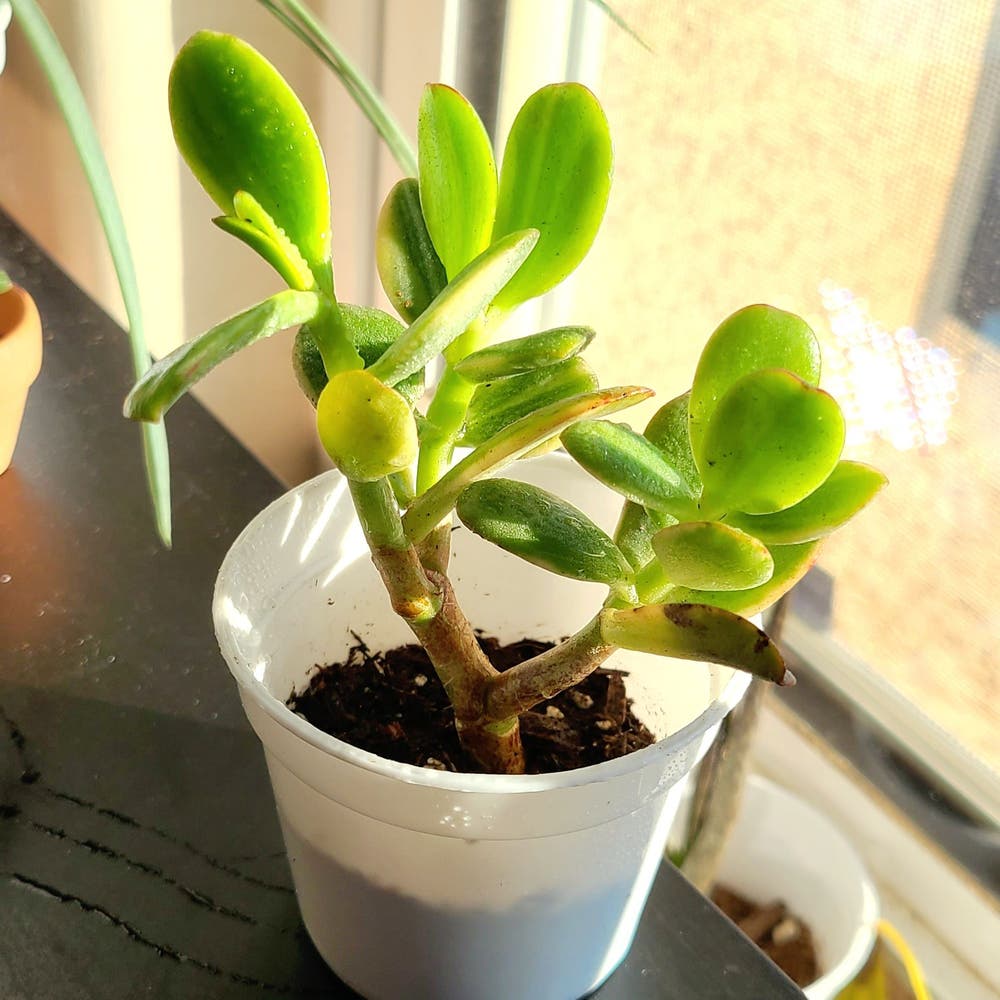
Variegated Jade Plant Roots 101
Crassula ovata 'Variegata'
By the Greg Editorial Team
Nov 07, 2024•7 min read
This article was created with the help of AI so we can cover more plants for you. May contain errors. See one? Report it here.
Master the unique root systems of Variegated Jade Plants 🌱 to ensure vibrant growth and resilience in your garden!
- 🌱 Variegated Jade Plant roots are shallow, ideal for container growth and drought tolerance.
- 💧 Proper watering is crucial; overwatering causes root rot, while underwatering leads to shriveled leaves.
- 🪴 Healthy roots are vital for propagation; use well-draining soil and monitor moisture levels.
Root System Characteristics
🌱 Type of Root System
The Variegated Jade Plant features a fibrous root system, characterized by shallow, spreading roots. These roots are adept at storing water and nutrients, making them well-suited for the plant's survival in varying conditions.
This fibrous structure is particularly beneficial for container growth. It allows the plant to thrive even in limited soil space, maximizing resource absorption while minimizing competition for nutrients.
🌿 Specific Characteristics of Variegated Jade Plant Roots
Variegated Jade Plant roots possess unique features that enhance their resilience. Their ability to store water significantly contributes to the plant's drought tolerance, allowing it to endure periods of dryness without wilting.
When compared to other succulent root systems, Variegated Jade roots stand out for their efficiency. They are designed to optimize water retention, making them a great choice for both novice and experienced gardeners looking to cultivate resilient plants.
Root Depth and Spread
🌱 Typical Root Depth and Spread in Containers
The Variegated Jade Plant typically develops a root depth of about 6 to 12 inches in standard pots. This shallow root system allows for an outward growth pattern, which is essential for maximizing nutrient and water absorption in limited soil space.
🌿 Growth Patterns and Adaptations
These plants exhibit remarkable adaptability to their environment. Their roots respond dynamically to moisture levels and nutrient availability, ensuring they thrive even in less-than-ideal conditions.
Container size plays a crucial role in root development. A larger pot provides more room for roots to spread, promoting healthier growth and overall plant vitality. Conversely, a cramped container can stunt growth and lead to nutrient deficiencies.
Understanding these root characteristics can significantly enhance your care routine for the Variegated Jade Plant. By ensuring adequate space and monitoring environmental conditions, you can foster a thriving, resilient plant ready to flourish.
Next, we will explore how these root systems influence watering and fertilizing practices for optimal plant health.
Watering and Fertilizing
🌱 How Root System Affects Watering Frequency
Understanding the root system of your Variegated Jade Plant is crucial for effective watering. These plants thrive when you allow the soil to dry out between waterings, as their fibrous roots are designed to store water efficiently.
Overwatering can lead to serious issues, such as root rot. Watch for signs like wilting leaves or yellowing foliage, which indicate your plant may be drowning. Conversely, underwatering can also stress the roots, leading to shriveled leaves and stunted growth.
🧪 Fertilizing Considerations Based on Root Health
Fertilizing your Variegated Jade Plant is essential for maintaining healthy roots. A balanced fertilizer, applied every 4-6 weeks during the growing season, can provide the necessary nutrients for robust root development.
Focus on a fertilizer that is low in nitrogen but rich in phosphorus and potassium. These nutrients support root health and overall plant vitality, ensuring your Jade Plant remains vibrant and resilient.
By paying attention to both watering and fertilizing, you can foster a thriving environment for your Variegated Jade Plant, setting the stage for its continued growth and beauty. Next, we’ll explore common root-related issues that can arise and how to tackle them effectively.
Common Root-Related Issues
🕵️ Identifying Root Rot and Its Causes
Root rot is a sneaky problem that can devastate your Variegated Jade Plant. Look for symptoms like wilting leaves, yellowing foliage, and mushy roots—these are clear signs that your plant is in distress.
The primary culprits behind root rot are overwatering, poor drainage, and compacted soil. If your plant is sitting in soggy soil, it's a recipe for disaster.
💧 Solutions for Overwatering and Underwatering
Preventing root rot starts with choosing the right potting mix and ensuring proper drainage. A well-draining soil mix allows excess water to escape, keeping your roots healthy.
If you find yourself dealing with root rot, don't panic. Repotting your plant into fresh soil and pruning away any damaged roots can help revive it. Always remember to adjust your watering habits to avoid future issues.
Healthy vs. Unhealthy Roots
👀 Visual Cues for Healthy Roots
Healthy roots are a vital sign of a thriving Variegated Jade Plant. Look for roots that are firm, with a white or light tan color and minimal odor.
These characteristics indicate that the roots are functioning well, supporting the plant's overall vitality. Healthy roots contribute to nutrient uptake and water storage, essential for the plant's resilience.
⚠️ Signs of Unhealthy Roots and Corrective Measures
Unhealthy roots can spell trouble for your plant. Indicators include dark, mushy roots or a foul smell, which often signal root rot or decay.
If you notice these signs, it's time to take action. Start by cleaning the roots gently, trimming away any damaged sections, and repotting the plant in fresh, well-draining soil. This process can help restore your plant's health and vitality.
Understanding the difference between healthy and unhealthy roots is crucial for maintaining your Variegated Jade Plant. By keeping an eye on root health, you can ensure your plant thrives and flourishes.
Next, let’s explore the implications of rootbound conditions and how to recognize them.
Rootbound Plants
Definition and Implications of Being Rootbound 🌱
Rootbound conditions occur when a plant's roots begin to circle the pot, restricting their growth. This can lead to stunted growth and nutrient deficiencies, ultimately affecting the plant's vitality.
How to Recognize Rootbound Conditions 👀
Recognizing rootbound plants is crucial for their health. Look for signs such as roots emerging from drainage holes, slow growth, and wilting leaves.
Steps to Take When Dealing with Rootbound Plants 🛠️
If you suspect your Variegated Jade Plant is rootbound, follow these steps:
- Assess the plant's size and pot condition.
- Carefully remove the plant from its pot.
- Trim any circling roots and repot into a larger container.
- Water thoroughly after repotting.
By addressing rootbound conditions promptly, you can help your plant thrive and maintain its health. Understanding these signs and solutions is essential for any plant enthusiast.
Propagation and Division
🌱 Importance of Root Health in Propagation
Healthy roots are crucial for successful propagation techniques. They provide the necessary support and nutrients that cuttings and divisions need to thrive.
Strong root systems enhance the survival rate of new plants. Without robust roots, cuttings may struggle to establish themselves, leading to disappointing results.
✂️ Techniques for Dividing and Propagating Variegated Jade Plant
To propagate your Variegated Jade Plant effectively, follow these straightforward steps:
Selecting Healthy Stems for Cuttings: Choose stems that are firm and free from any signs of disease. Healthy stems will yield the best results.
Preparing the Soil and Potting Mix: Use a well-draining potting mix suitable for succulents. This ensures that excess moisture doesn’t harm the new roots.
Watering and Care for New Cuttings: After planting, lightly water the cuttings. Allow the soil to dry out between waterings to prevent root rot.
🌿 Best Practices for Maintaining Root Health During Propagation
To keep roots healthy during propagation, consider these best practices:
Avoid Overcrowding: Give each cutting enough space to grow. Crowded roots can lead to competition for nutrients and water.
Monitor Moisture Levels: Keep an eye on the moisture in the soil. Too much water can suffocate roots, while too little can hinder growth.
Provide Adequate Light: Ensure your cuttings receive bright, indirect light. This promotes healthy growth and root development.
By following these techniques and practices, you can successfully propagate your Variegated Jade Plant. Healthy roots will set the foundation for vibrant, thriving plants that bring joy to your space.
Next, we’ll explore how to identify and address common root-related issues that may arise during your plant care journey.
⚠️ Safety First
This content is for general information and may contain errors, omissions, or outdated details. It is not medical, veterinary advice, or an endorsement of therapeutic claims.
Always consult a qualified healthcare professional before using any plant as food, medicine, or supplement.
Never eat any plant (or feed one to pets) without confirming its identity with at least two trusted sources.
If you suspect poisoning, call Poison Control (800) 222-1222, the Pet Poison Helpline (800) 213-6680, or your local emergency service immediately.
Spotted an error? Please report it here.
Unlock the secret to thriving roots 🌱 for your Variegated Jade Plant with Greg's tailored watering reminders and expert care tips that keep your plant healthy and happy!