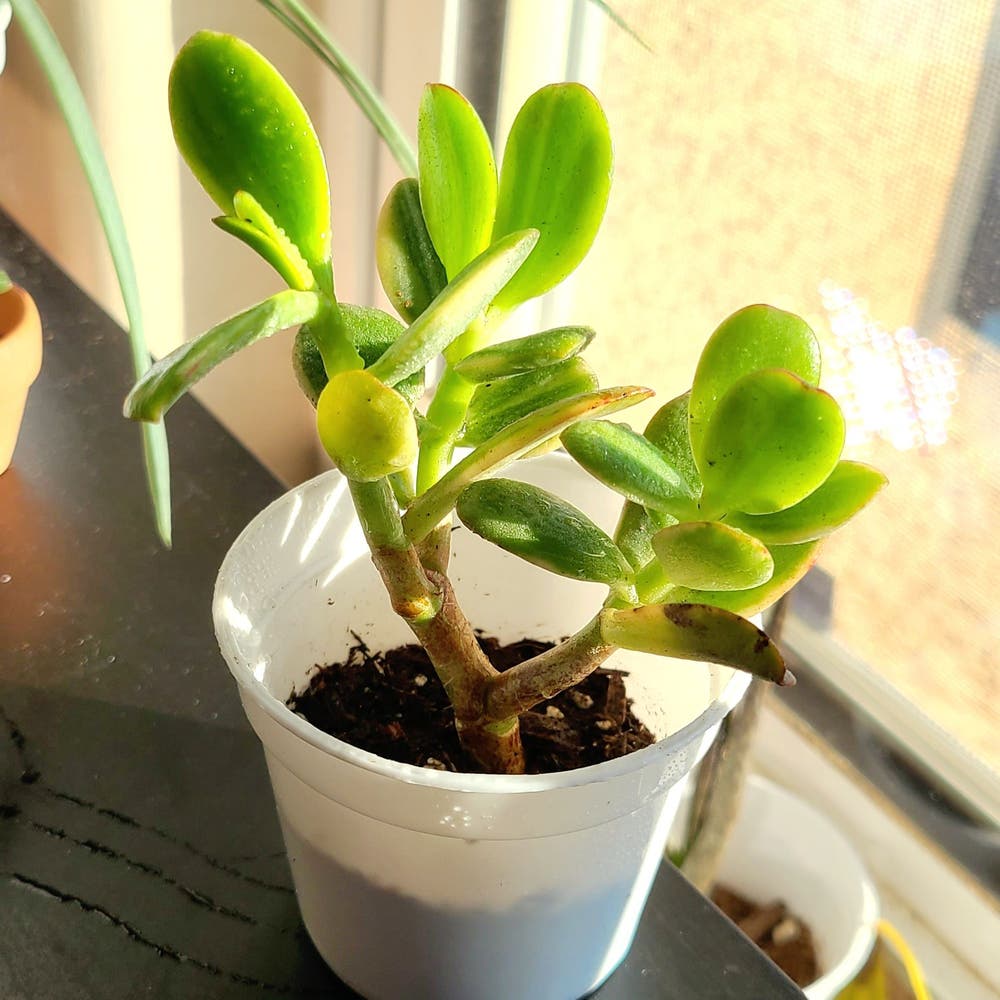
3 Indoor Care Tips for Variegated Jade Plant
Crassula ovata 'Variegata'
By the Greg Editorial Team
Nov 07, 2024•6 min read
This article was created with the help of AI so we can cover more plants for you. May contain errors. See one? Report it here.
Unlock the secret to a thriving variegated jade plant indoors with essential care tips! 🌱
- 🌞 Variegated jade plants need 6-8 hours of bright, indirect sunlight daily for optimal growth.
- 💧 Water only when the top 1-2 inches of soil are dry to prevent overwatering.
- 🌬️ Maintain humidity between 30%-50% for healthy jade plants; use dehumidifiers if needed.
Light Requirements for Indoor Growth
Ideal Indoor Light Levels 🌞
For your variegated jade plant to thrive indoors, it needs bright, indirect sunlight for about 6-8 hours each day. If you notice stretched or leggy growth, or if the vibrant variegation starts to fade, it’s a clear sign that your plant isn’t getting enough light.
Using Grow Lights 💡
When natural light is scarce, grow lights can step in to save the day. These lights are essential for supplementing your plant's light needs, especially during the darker months.
Choosing the Best Grow Light 🛠️
To ensure optimal growth, aim for a light intensity of 200-400 µmol/m²/s. During winter, your jade plant will benefit from 12-14 hours of light each day, helping it stay healthy and vibrant.
With the right lighting conditions, your variegated jade plant will flourish, setting the stage for the next crucial aspect of its care: temperature and humidity levels.
Ideal Temperature and Humidity Levels
🌡️ Temperature Preferences
For your variegated jade plant to thrive indoors, maintain an optimal temperature range of 65°F to 75°F (18°C to 24°C). This temperature zone is crucial for healthy growth and vibrant variegation.
To avoid temperature extremes, protect your plant from drafts and sudden changes. Position it away from air conditioning vents and heaters to ensure a stable environment.
💧 Humidity Control
Variegated jade plants prefer low humidity levels, ideally between 30% and 50%. This range mimics their natural habitat and promotes healthy growth.
To maintain these humidity levels, consider using a dehumidifier or placing the plant in a well-ventilated area. Regular air circulation helps prevent excess moisture, which can lead to issues like mold or rot.
With the right temperature and humidity, your jade plant will flourish, setting the stage for vibrant growth and stunning aesthetics. Next, let’s explore the watering needs and frequency to keep your plant healthy and happy.
Watering Needs and Frequency
💧 Watering Techniques
Watering your variegated jade plant requires a bit of finesse. Aim to let the top 1-2 inches of soil dry out between waterings to prevent over-saturation.
🚫 Signs of Overwatering
Keep an eye out for yellowing leaves, mushy stems, and root rot. These are clear indicators that your plant is getting too much water.
💦 Signs of Underwatering
On the flip side, if you notice wrinkled leaves or leaf drop, your jade plant might be thirsty. Both conditions can stress your plant, so it's crucial to find the right balance.
🌱 Best Practices
When you do water, do it thoroughly until it drains from the bottom. This ensures even moisture distribution, which is vital for healthy growth.
🍂 Seasonal Adjustments
As the seasons change, so should your watering routine. In winter, reduce the frequency to accommodate the plant's slower growth rate during this time.
By mastering these watering techniques, you’ll set your variegated jade plant up for success. Next, let’s explore the ideal soil type and potting considerations to further enhance your plant's health.
Soil Type and Potting Considerations
🌱 Choosing the Right Soil
For your variegated jade plant, the ideal soil type is a well-draining cactus or succulent mix. This ensures that excess moisture can escape, preventing root rot and other issues.
The pH level of the soil should be slightly acidic to neutral, ideally between 6.0 and 7.0. This range promotes healthy growth and nutrient absorption.
🪴 Potting Considerations
When selecting a pot, always choose one with drainage holes. This feature is crucial for preventing water accumulation, which can lead to root problems.
Repotting your jade plant is necessary every 2-3 years or when it outgrows its pot. This practice not only provides fresh soil but also gives the roots more space to thrive.
With the right soil and potting techniques, your variegated jade plant will flourish. Next, let’s explore common issues and solutions to keep your plant healthy and vibrant.
Common Issues and Solutions
🐛 Identifying and Preventing Pests
Variegated jade plants can attract pests like mealybugs, aphids, and spider mites. To keep these nuisances at bay, conduct regular inspections and maintain cleanliness around your plant.
💧 Addressing Watering Issues
Watering problems can lead to serious health issues for your jade plant. For overwatering, adjust your schedule and improve drainage to prevent root rot. Conversely, if you notice signs of underwatering, such as wrinkled leaves, increase your watering frequency and monitor soil moisture closely.
🍂 Managing Leaf Drop and Discoloration
Leaf drop can be alarming, often caused by stress from environmental changes or overwatering. To combat this, gradually acclimatize your plant to new conditions and adhere to proper watering practices.
🌱 Solutions for Leggy Growth and Lack of Variegation
If your jade plant is growing leggy or losing its beautiful variegation, it’s likely due to insufficient light exposure. To remedy this, increase light levels and rotate the plant regularly to ensure even growth.
By addressing these common issues proactively, you can keep your variegated jade plant thriving and looking its best. Next, let’s explore how to enhance its placement and aesthetics for maximum impact in your indoor space.
Placement and Aesthetics
Best Locations for Optimal Light Exposure 🌞
To thrive, your variegated jade plant needs the right light. Position it near east or south-facing windows to soak up maximum sunlight.
However, be cautious of direct sunlight, especially during the harsh afternoon hours. This can lead to leaf scorch, which is not a pretty sight.
Tips for Maintaining Plant Appearance ✂️
Keeping your jade plant looking its best involves a bit of regular maintenance. Trim any leggy growth to encourage a bushier appearance and promote healthy growth.
Additionally, don’t forget to wipe the leaves with a damp cloth. This simple act removes dust and enhances photosynthesis, helping your plant flourish.
Using Decorative Pots and Arrangements 🪴
Choosing the right pot can elevate your jade plant's aesthetic. Opt for pots that not only look good but also ensure proper drainage to keep your plant healthy.
For a stunning display, consider grouping your jade plant with other succulents. This arrangement not only adds visual interest but also creates a vibrant indoor garden atmosphere.
By paying attention to placement and aesthetics, you can create a thriving environment for your variegated jade plant. Next, let’s explore common issues and solutions to keep your plant in top shape.
⚠️ Safety First
This content is for general information and may contain errors, omissions, or outdated details. It is not medical, veterinary advice, or an endorsement of therapeutic claims.
Always consult a qualified healthcare professional before using any plant as food, medicine, or supplement.
Never eat any plant (or feed one to pets) without confirming its identity with at least two trusted sources.
If you suspect poisoning, call Poison Control (800) 222-1222, the Pet Poison Helpline (800) 213-6680, or your local emergency service immediately.
Spotted an error? Please report it here.
Keep your variegated jade plant thriving indoors 🌞 with Greg's tailored light and watering reminders that ensure it gets just what it needs to flourish!