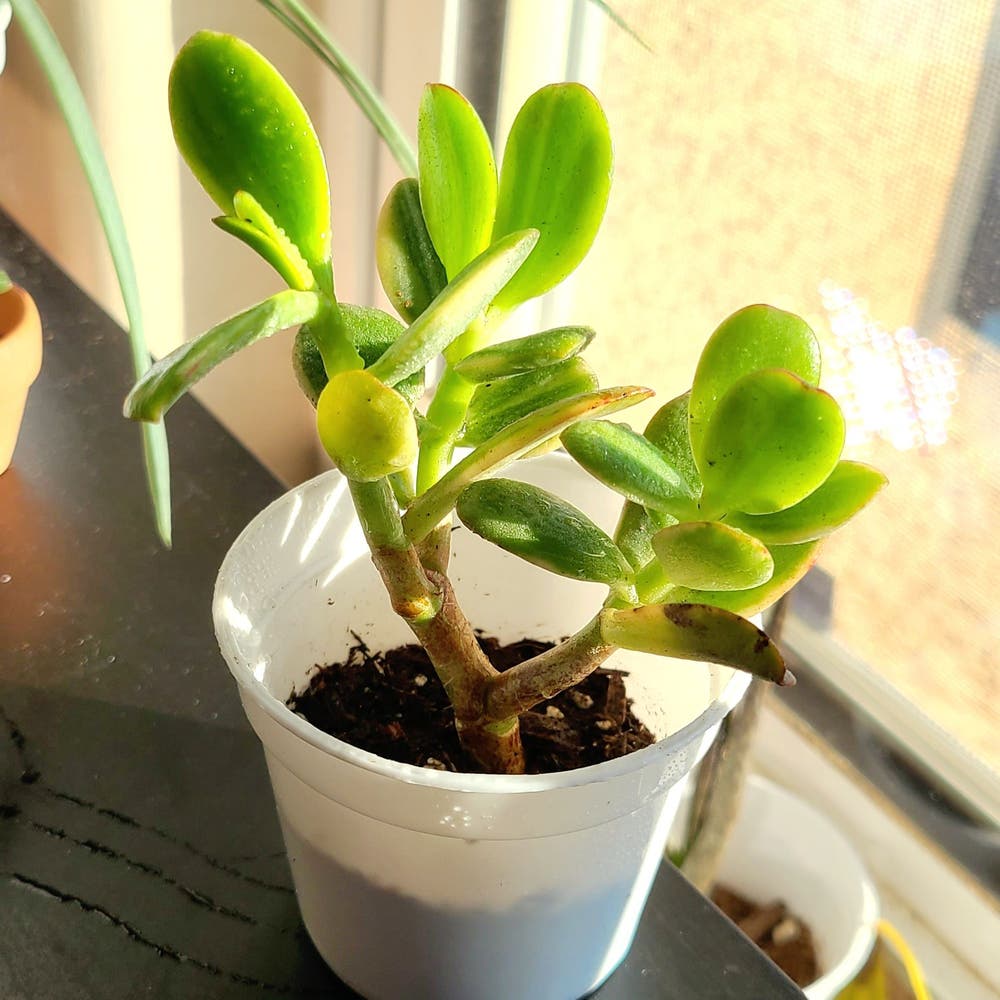
🌱 Everything You Need to Know to Grow Variegated Jade Plant
Crassula ovata 'Variegata'
By the Greg Editorial Team
Nov 07, 2024•7 min read
This article was created with the help of AI so we can cover more plants for you. May contain errors. See one? Report it here.
Unlock the secrets to a thriving variegated jade plant with expert care tips! 🌱
- 🌞 Variegated jade plants thrive in 4-6 hours of sunlight daily for optimal growth.
- 💧 Water only when the top 1-2 inches of soil are dry to prevent issues.
- 🌱 Use well-draining soil and pots with drainage holes to avoid root rot.
Choosing a Location
🏡 Indoor vs. Outdoor Growing Conditions
When deciding where to grow your variegated jade plant, consider the benefits of indoor versus outdoor cultivation. Indoor environments offer a controlled atmosphere, protecting your plant from harsh weather conditions that can hinder its growth.
On the other hand, outdoor growing is ideal for those in warm climates. Just remember, if you choose this route, your jade plant will need protection from frost during colder months.
☀️ Light Requirements and Ideal Placement
Light is crucial for the health of your jade plant. Aim for full sun to partial shade, ensuring it receives 4 to 6 hours of direct sunlight daily.
For indoor placement, position your jade plant near south or west-facing windows. This will provide the optimal light exposure it craves for robust growth.
🌡️ Temperature and Humidity Preferences
Temperature plays a significant role in jade plant care. The ideal range is between 65°F to 75°F (18°C to 24°C), which keeps your plant thriving.
Humidity levels should be low to moderate. High humidity environments can lead to issues, so it's best to avoid them for your jade plant's well-being.
With the right location and conditions, your variegated jade plant will flourish beautifully. Next, let’s dive into soil preparation and planting techniques to set your plant up for success.
Soil Preparation and Planting
🌱 Best Soil Types
To give your variegated jade plant the best start, choose a well-draining cactus or succulent mix. If you're feeling adventurous, you can create a DIY soil mix using potting soil, sand, and perlite for optimal drainage.
💧 Soil Amendments and Drainage Considerations
Proper drainage is crucial to prevent root rot, a common issue for jade plants. Consider adding perlite or coarse sand to your soil mix to enhance drainage and keep your plant healthy.
🪴 Step-by-Step Planting Instructions
Follow these simple steps to plant your jade:
- Choose a pot with drainage holes. This is essential for preventing water accumulation.
- Fill the pot with prepared soil mix, leaving enough space for the root ball.
- Remove the jade plant from its nursery pot, gently loosening the roots to encourage growth.
- Place the plant in the center of the new pot and fill in with soil, ensuring it’s secure.
- Water lightly to settle the soil, but avoid over-saturation to keep the roots happy.
With these steps, your jade plant will be well on its way to thriving in its new home. Next, let’s explore how to keep your plant hydrated and nourished for optimal growth.
Watering and Fertilizing
💧 Watering Frequency and Techniques
To keep your variegated jade plant thriving, water it when the top 1-2 inches of soil feel dry. This simple rule helps prevent overwatering, which is a common mistake among plant enthusiasts.
When you do water, ensure you do it thoroughly. Water until you see it draining from the bottom of the pot, allowing the roots to absorb moisture effectively.
🚫 Signs of Overwatering and Underwatering
Recognizing the signs of overwatering is crucial for your plant's health. Look for yellowing leaves, mushy stems, and root rot as indicators that you might be giving it too much water.
On the flip side, underwatering can also lead to distress. If you notice wrinkled leaves or a drooping appearance, it's time to give your jade plant a good drink.
🌱 Recommended Fertilizers and Feeding Schedule
For optimal growth, use a balanced, diluted liquid fertilizer with an NPK ratio of 10-10-10. This type of fertilizer provides essential nutrients that your jade plant craves.
Feed your plant every 4-6 weeks during the growing season, which typically spans spring and summer. This regular feeding schedule will help your jade plant flourish and maintain its vibrant appearance.
With proper watering and fertilizing practices, your variegated jade plant will thrive beautifully. Next, let’s explore the essential pruning and maintenance techniques to keep your plant healthy and bushy.
Pruning and Maintenance
Importance of Pruning for Growth and Health 🌱
Pruning your variegated jade plant is essential for promoting bushier growth. It also helps eliminate dead or damaged leaves, ensuring the plant remains healthy and vibrant.
Techniques for Effective Pruning ✂️
To prune effectively, use clean, sharp pruning shears. Focus on trimming back any leggy growth and removing dead leaves to encourage a fuller appearance.
Ongoing Care Routine 🔍
Regularly inspect your jade plant for pests and signs of stress. Additionally, rotating the plant periodically ensures it receives even light exposure, promoting balanced growth.
By incorporating these pruning and maintenance practices, you'll keep your variegated jade plant thriving and looking its best. Next, let's explore common challenges and solutions to ensure your plant continues to flourish.
Common Challenges and Solutions
🐛 Pests and Diseases
Common Pests
Pests can be a real headache for your variegated jade plant. Mealybugs are one of the most common culprits, appearing as white, cotton-like masses on leaves. To tackle these pests, a simple application of neem oil can work wonders.
Another pest to watch out for is the spider mite, which leaves fine webbing on the plant. If you spot these, increase humidity around the plant and consider using insecticidal soap to eliminate them.
Diseases
Diseases can also threaten your jade plant's health. Root rot is a frequent issue caused by overwatering. To prevent this, ensure your pot has proper drainage and only water when the top 1-2 inches of soil are dry.
Leaf drop can occur due to sudden environmental changes, such as temperature shifts or inadequate light. Keeping your plant in a stable environment can help mitigate this problem.
🌍 Environmental Stress Factors and Remedies
Environmental stress can hinder your jade plant's growth. Temperature fluctuations can be detrimental, so aim to maintain a consistent climate.
If your plant is suffering from low light conditions, simply move it to a brighter location. Jade plants thrive in bright, indirect sunlight, so a little adjustment can make a big difference.
🛠️ Troubleshooting Growth Issues
If you notice stunted growth, it may be time to check if your plant is root-bound. If the roots are circling the pot, consider repotting into a larger container to give it room to grow.
Leaf discoloration can signal issues with watering habits or light exposure. Assess your watering routine and ensure your jade plant is receiving adequate light to keep those leaves vibrant and healthy.
By addressing these common challenges, you can ensure your variegated jade plant remains healthy and thriving. Next, let’s explore the essential practices for pruning and maintaining your jade plant for optimal growth.
Container Gardening
Choosing the Right Container 🌱
Selecting the right container is crucial for your variegated jade plant's health. The pot size should be proportional to the plant; a pot that's too large can hold excess moisture, while one that's too small can restrict growth.
Material matters too. Terracotta and ceramic pots are excellent choices because they allow for breathability, helping to prevent root rot.
Container Care Techniques 🧴
Proper drainage is essential for jade plants. Always choose pots with drainage holes to ensure excess water can escape, keeping the roots healthy.
Additionally, rotating your container periodically can help your plant receive even sunlight exposure. This simple technique promotes balanced growth and prevents the plant from leaning toward the light.
Benefits of Container Gardening 🌍
Container gardening offers remarkable flexibility. You can easily move your jade plant indoors or outdoors based on the season or weather conditions.
Managing soil and watering becomes simpler too. With containers, you can customize the soil mix and monitor moisture levels more effectively, ensuring your jade plant thrives.
Transitioning to the next section, let's explore common challenges you might face with your jade plant and how to tackle them effectively.
⚠️ Safety First
This content is for general information and may contain errors, omissions, or outdated details. It is not medical, veterinary advice, or an endorsement of therapeutic claims.
Always consult a qualified healthcare professional before using any plant as food, medicine, or supplement.
Never eat any plant (or feed one to pets) without confirming its identity with at least two trusted sources.
If you suspect poisoning, call Poison Control (800) 222-1222, the Pet Poison Helpline (800) 213-6680, or your local emergency service immediately.
Spotted an error? Please report it here.
Grow your variegated jade plant like a pro 🌱 with Greg's tailored watering reminders and expert tips to keep it thriving in any environment!