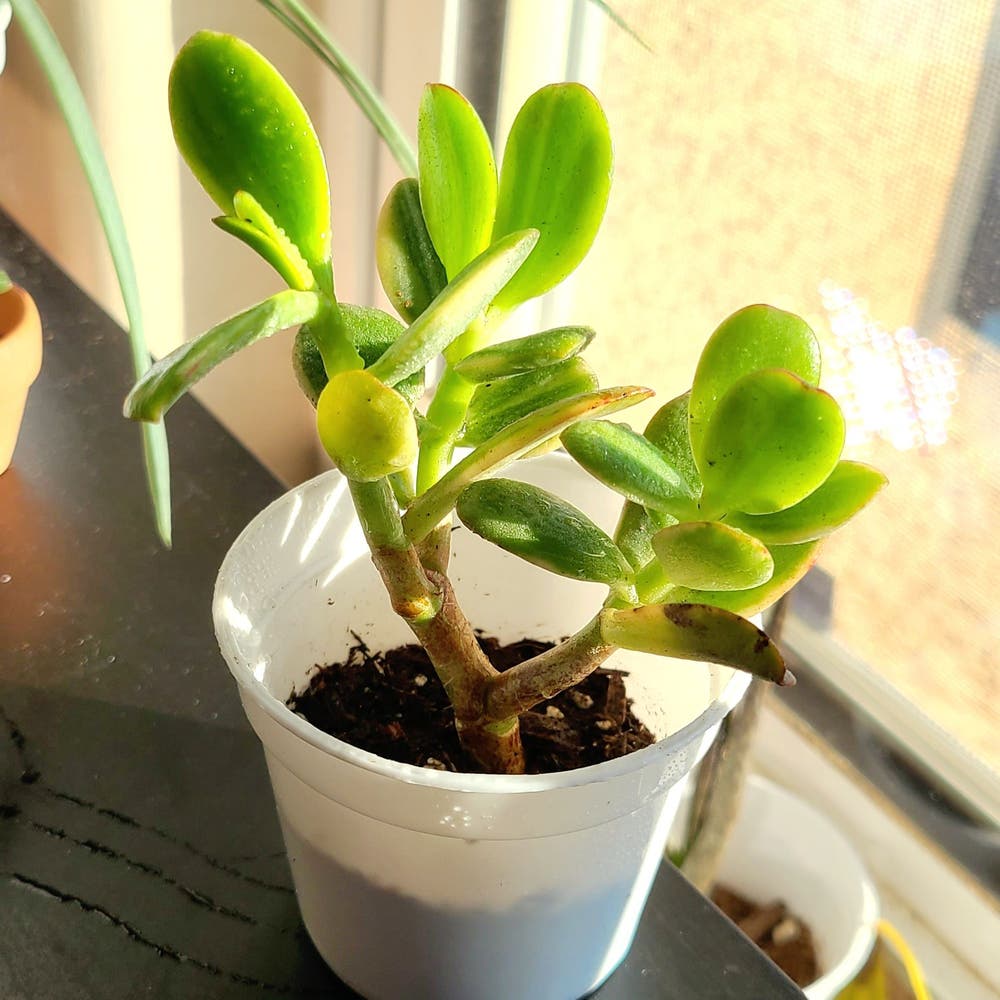
3 Top Pot Choices for Your Variegated Jade Plant
Crassula ovata 'Variegata'
By the Greg Editorial Team
Nov 07, 2024•3 min read
This article was created with the help of AI so we can cover more plants for you. May contain errors. See one? Report it here.
Boost your variegated jade plant's health 🌱 with expert pot selection and drainage tips for thriving growth!
- 🌱 Choose breathable pot materials like clay or terracotta for jade plant health.
- 🏺 Pot size matters: 3-4 inches for seedlings, 10-12 inches for mature plants.
- 🚫 Always ensure proper drainage to prevent root rot; pots need at least one hole.
Pot Selection for Variegated Jade Plant
🌱 Ideal Materials for Pots
Choosing the right pot material is crucial for the health of your variegated jade plant. Here’s a breakdown of the most popular options:
Clay Pots
Clay pots are celebrated for their breathability and moisture regulation. However, they can be heavier and may crack in extreme temperatures, which is something to consider if you live in a climate with drastic weather changes.
Plastic Pots
Plastic pots are lightweight and less prone to breaking, making them a convenient choice. On the downside, they are less breathable and can retain moisture longer, which might lead to overwatering issues.
Terracotta Pots
Terracotta pots excel in drainage and allow excess moisture to evaporate, promoting a healthy root environment. The trade-off is that they can dry out quickly, necessitating more frequent watering, especially in warmer months.
📏 Choosing the Right Pot Size
Selecting the correct pot size is essential for your jade plant's growth. Here’s a quick guide based on the plant's stage:
- Seedling Stage: A container size of 3-4 inches is ideal.
- Young Plant Stage: Opt for a pot size of 6-8 inches.
- Mature Plant Stage: Choose a pot that is 10-12 inches or larger.
Always ensure there’s enough room for growth without overcrowding the roots, as this can stunt your plant's development.
🚰 Importance of Drainage
Drainage is a critical factor in pot selection. Pots with drainage holes prevent water accumulation, which can lead to root rot.
- Recommended Size and Number: Ideally, pots should have at least one drainage hole, with a diameter of about 1 inch for optimal performance.
- Specific Needs for Succulents: Always prioritize pots with drainage holes for succulents like jade plants to maintain a healthy moisture balance.
🌿 Repotting Your Jade Plant
When to Repot
Knowing when to repot your jade plant can make a significant difference in its health. Look for signs like being root-bound or experiencing growth stagnation.
- Recommended Frequency: Generally, repot every 2-3 years or as needed, depending on your plant's growth.
Choosing the Right Pot When Repotting
When it’s time to repot, consider the following factors:
- Size: Ensure the new pot is appropriately sized for your plant's growth stage.
- Material: Choose a material that suits your plant's needs.
- Drainage Capabilities: Ensure the pot has adequate drainage.
Transitioning to a larger pot should follow guidelines that match the next size up, allowing for continued growth without restriction.
❌ Common Potting Mistakes
Choosing the Wrong Pot Size
Selecting an oversized or undersized pot can lead to various issues. Oversized pots can retain too much moisture, while undersized pots can restrict root growth.
- Tips for Assessment: Always assess the appropriate pot size based on your jade plant's current size and growth stage.
Ignoring Drainage Needs
Neglecting drainage can be detrimental. Pots without drainage holes can lead to waterlogged soil, risking root rot.
- Modifying Pots: If you have a pot without drainage, consider drilling holes or using a different pot to ensure proper drainage.
Using Inappropriate Materials
Using non-breathable or moisture-retaining materials can harm your jade plant.
- Recommendations: Stick to breathable materials like clay or terracotta to promote healthy root systems for your variegated jade plant.
By carefully selecting the right pot and materials, you can create an optimal environment for your variegated jade plant to thrive. Next, let’s explore the signs that indicate when it’s time to repot your jade plant.
⚠️ Safety First
This content is for general information and may contain errors, omissions, or outdated details. It is not medical, veterinary advice, or an endorsement of therapeutic claims.
Always consult a qualified healthcare professional before using any plant as food, medicine, or supplement.
Never eat any plant (or feed one to pets) without confirming its identity with at least two trusted sources.
If you suspect poisoning, call Poison Control (800) 222-1222, the Pet Poison Helpline (800) 213-6680, or your local emergency service immediately.
Spotted an error? Please report it here.
Ensure your variegated jade plant thrives 🌱 by using Greg's tailored reminders for optimal potting and care, making every choice count!