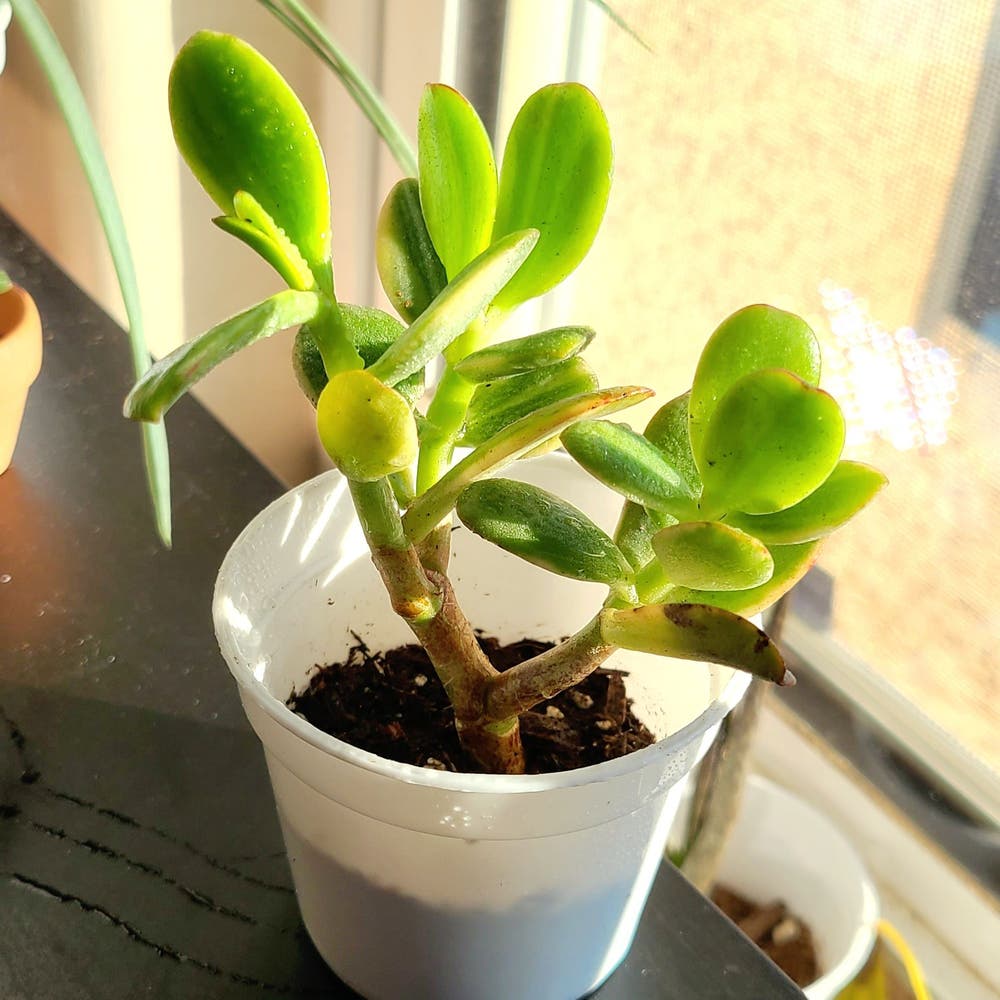
🐝 Step-by-Step Guide to Pollinating Variegated Jade Plant
Crassula ovata 'Variegata'
By the Greg Editorial Team
Nov 07, 2024•7 min read
This article was created with the help of AI so we can cover more plants for you. May contain errors. See one? Report it here.
Discover how the Variegated Jade Plant's flowers 🌸 can enhance pollination and create a vibrant garden ecosystem! 🌱
- 🌸 Variegated Jade Plant blooms attract bees and butterflies for effective pollination.
- 🌱 Self-pollination ensures growth, while cross-pollination boosts genetic diversity.
- 🐝 Hand pollination aids reproduction when natural pollinators are scarce.
Flower Structure
🌸 Description of Flower Characteristics
The Variegated Jade Plant boasts small, star-shaped flowers that are a delight to behold. Typically, these flowers bloom in shades of pink or white, creating a stunning visual display.
These flowers grow in clusters on elongated stems, which not only enhances their beauty but also plays a crucial role in attracting pollinators. The arrangement allows for a more effective pollination process, making it easier for insects and birds to access the nectar.
🐝 Role of Flower Structure in Pollination
The shape and color of the Variegated Jade Plant's flowers are key factors in attracting pollinators. Bright colors and distinct shapes signal to bees, butterflies, and other creatures that nectar is available, drawing them in.
Moreover, the clustered arrangement of the flowers facilitates easy access for these pollinators. This design is vital for both self-pollination and cross-pollination, ensuring that the plant can reproduce effectively and maintain genetic diversity.
Understanding the flower structure is essential for anyone looking to enhance the pollination success of their Variegated Jade Plant. With the right conditions and knowledge, you can foster a thriving environment for these beautiful plants and their pollinators.
Next, we will explore the pollination process, including both self-pollination and cross-pollination techniques.
Pollination Process
Self-Pollination Process 🌼
The Variegated Jade Plant has a fascinating mechanism for self-pollination. Its flowers contain both male and female reproductive parts, allowing the plant to fertilize itself without needing external help.
Self-pollination offers several benefits. It ensures that the plant can reproduce even in the absence of pollinators, promoting consistent growth and health.
Cross-Pollination Process 🐝
While self-pollination is effective, cross-pollination enhances genetic diversity. Key pollinators for the Variegated Jade Plant include bees, butterflies, moths, and hummingbirds.
These pollinators are drawn to the plant's vibrant flowers. They interact with the plant by transferring pollen while seeking nectar, which is crucial for their survival.
The plant employs various attraction mechanisms. Its scent, bright colors, and nectar production work together to entice these beneficial creatures, ensuring a thriving ecosystem.
In summary, both self-pollination and cross-pollination play vital roles in the reproductive success of the Variegated Jade Plant. Understanding these processes helps gardeners appreciate the intricate relationships between plants and their pollinators.
Next, we will explore the natural mechanisms that facilitate pollen transfer and the importance of successful pollination.
Natural Pollination Mechanisms
🌬️ Pollen Transfer Mechanisms
The Variegated Jade Plant employs various mechanisms for pollen transfer, primarily relying on both wind and insects. Wind can carry lightweight pollen grains over short distances, but insects play a crucial role in more effective transfer.
Insects, particularly bees and butterflies, are attracted to the plant's flowers, facilitating the movement of pollen from one bloom to another. As they forage for nectar, they inadvertently pick up pollen from the anthers and deposit it onto the stigmas of other flowers, ensuring successful fertilization.
🐝 Importance of Pollination
Successful pollination is vital for the reproduction of the Variegated Jade Plant. It leads to the formation of seeds, which are essential for the plant's lifecycle and propagation.
Moreover, effective pollination contributes to genetic diversity within the species. This diversity enhances the resilience of the plant, allowing it to adapt to changing environmental conditions and thrive in various habitats.
Understanding these natural mechanisms not only highlights the beauty of the Variegated Jade Plant's reproductive process but also underscores the importance of protecting pollinators and their habitats. As we move forward, let’s explore how we can support these essential creatures in our gardens.
Hand Pollination Techniques
Hand pollination can be a rewarding way to ensure the reproductive success of your Variegated Jade Plant. This technique is particularly useful when natural pollinators are scarce or when you want to control the pollination process for better results.
🌼 Step-by-Step Instructions
1. Identifying Male and Female Flower Parts
First, you'll need to familiarize yourself with the flower's anatomy. The male parts, known as stamens, consist of the anthers and filaments, while the female parts are collectively called the pistil, which includes the stigma, style, and ovary.
2. Collecting Pollen
Once you've identified the flower parts, it’s time to collect pollen. Gently tap or brush the anthers with a small tool, like a cotton swab or a soft brush, to gather the pollen without damaging the flower.
3. Transferring Pollen
Next, you’ll transfer the collected pollen to the stigma. Use the same tool to apply the pollen directly onto the sticky surface of the stigma, ensuring good contact for successful fertilization.
4. Ensuring Fertilization Success
Timing is crucial for hand pollination. Aim to perform this task in the morning when flowers are most receptive, as this increases the chances of successful fertilization.
Hand pollination not only boosts your plant's reproductive success but also deepens your connection with it. By taking these steps, you can actively participate in the life cycle of your Variegated Jade Plant, ensuring it thrives and flourishes.
As you explore these techniques, you'll find that understanding the pollination process enhances your gardening experience. Next, let’s dive into how to create a pollinator-friendly environment to support your plants even further.
Supporting Pollinators
🌼 Creating a Pollinator-Friendly Environment
Creating a welcoming habitat for pollinators is essential for the health of your Variegated Jade Plant. Diverse plantings provide food and shelter, attracting a variety of pollinators like bees and butterflies.
To maintain a healthy ecosystem, consider these tips:
- Plant Variety: Incorporate a mix of flowering plants that bloom at different times to ensure a continuous food source.
- Avoid Pesticides: Minimize or eliminate pesticide use, as these chemicals can harm beneficial insects.
- Provide Shelter: Create spaces for pollinators to nest, such as leaving some areas of your garden undisturbed.
🌱 Companion Plants
Companion planting can significantly enhance the pollination success of your Variegated Jade Plant. Certain plants not only thrive alongside it but also attract more pollinators.
Consider these companion plants:
- Lavender: Its fragrant flowers draw in bees and butterflies.
- Marigolds: These bright blooms attract various pollinators while also deterring pests.
- Borage: Known for its star-shaped flowers, borage is a magnet for bees.
By integrating these plants, you can boost pollinator activity and create a vibrant, thriving garden ecosystem. This not only benefits your Variegated Jade Plant but also contributes to the overall health of your garden.
As you cultivate a pollinator-friendly environment, you'll witness the beauty of nature at work, enhancing both your gardening experience and the vitality of your plants. Next, let’s explore the challenges that can arise in the pollination process and how to overcome them.
Pollination Challenges
🌪️ Common Obstacles
Pollination success for the Variegated Jade Plant can be hindered by various environmental factors. Temperature fluctuations, high humidity, and inadequate light conditions can all negatively impact the plant's ability to attract pollinators.
Additionally, the decline in pollinator populations poses a significant challenge. Habitat loss and the widespread use of pesticides have led to fewer bees, butterflies, and other essential pollinators visiting gardens and landscapes.
🛠️ Solutions for Overcoming Challenges
To improve pollination success, consider implementing a few strategic practices. Start by monitoring and optimizing the growing conditions for your Variegated Jade Plant, ensuring it receives adequate sunlight and is sheltered from extreme temperatures.
Creating a pollinator-friendly environment is crucial. Plant a diverse range of flowering plants to attract various pollinators, and avoid using pesticides that can harm these beneficial insects.
Furthermore, consider providing water sources and shelter for pollinators. Simple additions like shallow dishes filled with water or small brush piles can make a significant difference in attracting and retaining pollinator populations.
By addressing these challenges and fostering a supportive ecosystem, you can enhance the pollination success of your Variegated Jade Plant and contribute to the overall health of your garden.
⚠️ Safety First
This content is for general information and may contain errors, omissions, or outdated details. It is not medical, veterinary advice, or an endorsement of therapeutic claims.
Always consult a qualified healthcare professional before using any plant as food, medicine, or supplement.
Never eat any plant (or feed one to pets) without confirming its identity with at least two trusted sources.
If you suspect poisoning, call Poison Control (800) 222-1222, the Pet Poison Helpline (800) 213-6680, or your local emergency service immediately.
Spotted an error? Please report it here.
Boost your Variegated Jade Plant's beauty and health through effective pollination 🌼, and let Greg guide you with tailored tips to attract the right pollinators for a thriving garden!