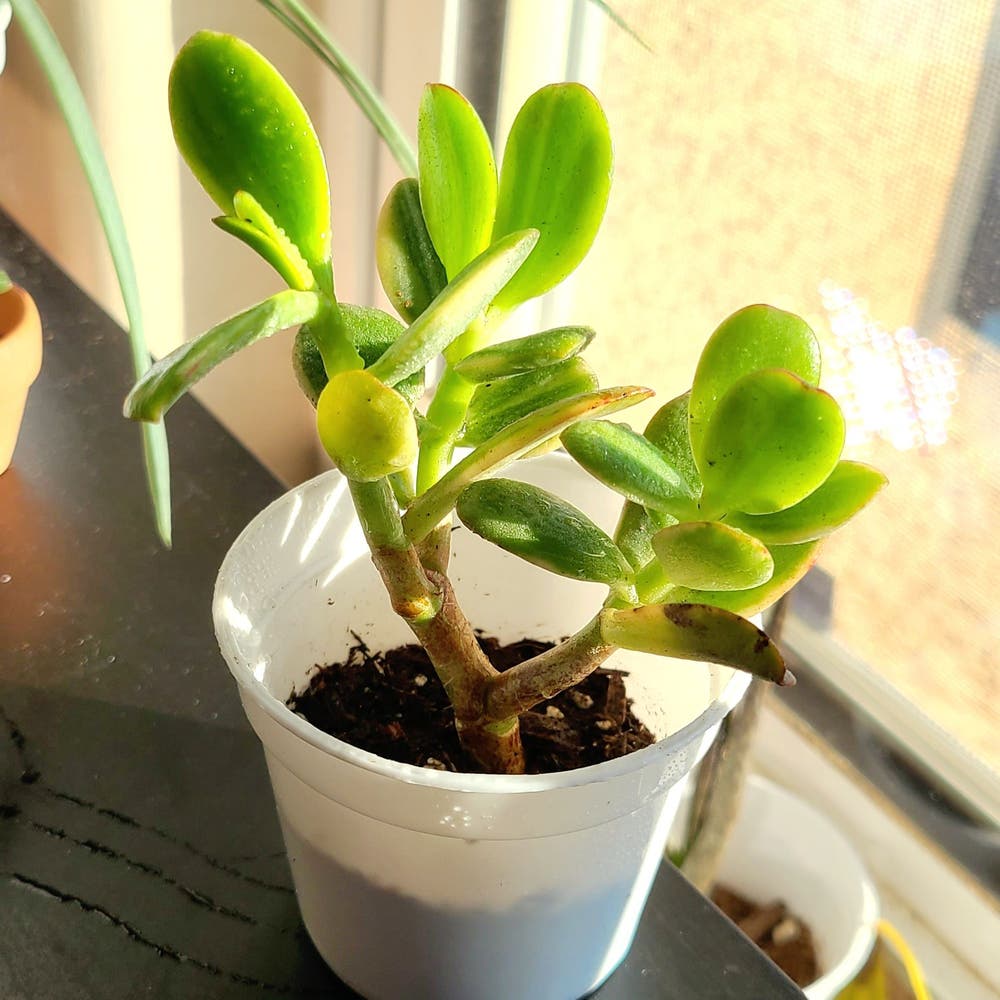
Variegated Jade Plant Hardiness Zones: 10a-11b 🌵
Crassula ovata 'Variegata'
By the Greg Editorial Team
Nov 07, 2024•5 min read
This article was created with the help of AI so we can cover more plants for you. May contain errors. See one? Report it here.
Unlock thriving variegated jade plants by mastering their temperature needs and ideal climates! 🌞🌱
- 🌞 Variegated jade plants thrive in hardiness zones 10a-11b, ideal for warm climates.
- ❄️ Protect from frost; temperatures below 30°F can damage jade plants.
- 🌱 Stable temperatures between 65°F-80°F ensure optimal growth and health for jade plants.
Temperature Tolerance
❄️ Cold Tolerance Specifics
Variegated jade plants are particularly sensitive to frost. Damage can occur when temperatures drop below 30°F (-1°C), making winter care essential for their survival.
To protect these plants, consider bringing them indoors or providing adequate insulation during cold snaps. This proactive approach can prevent frost damage and ensure your jade plant thrives year-round.
🔥 Heat Tolerance Specifics
On the flip side, variegated jade plants thrive in warm conditions. They are well-suited for arid climates, demonstrating impressive tolerance to both heat and drought.
This resilience makes them ideal for gardeners in warmer regions who may face dry spells. Their ability to withstand high temperatures allows for a more carefree gardening experience.
🌡️ Ideal Temperature Ranges for Growth
For optimal growth, aim to keep your jade plant in temperatures between 65°F to 80°F (18°C to 27°C). This range promotes healthy development and vibrant foliage.
However, be mindful of temperature fluctuations, as extreme changes can stress the plant. Maintaining a stable environment will help ensure your jade plant remains healthy and robust.
With a solid understanding of temperature tolerance, you can create the perfect environment for your variegated jade plant. Next, let’s explore the ideal growing regions where these plants can truly flourish.
Ideal Growing Regions
🌍 Examples of US States in Zones 10a-11b
If you're looking to cultivate a variegated jade plant, states like California, Florida, and Texas are your best bets. These regions fall within the ideal hardiness zones, providing the warm climate that jade plants crave.
In California, areas like Los Angeles and San Diego offer perfect conditions. Florida's southern regions, including Miami, also provide a tropical environment, while Texas boasts warm locales such as Austin and San Antonio.
🌡️ Factors Contributing to Ideal Conditions
The ideal climate for jade plants includes warm temperatures, low humidity, and well-draining soil. These factors create a nurturing environment that promotes healthy growth.
Sunlight exposure is crucial, as jade plants thrive in bright light. Additionally, protection from harsh winds can prevent damage and ensure your plant remains robust.
🏞️ Comparison of Regions Within the Zones
Even within zones 10a-11b, climate conditions can vary significantly. For instance, coastal areas may experience milder temperatures compared to inland regions, which can be hotter and drier.
Local geography plays a vital role in these differences. Mountains, valleys, and bodies of water can all influence weather patterns, affecting how well jade plants grow in various locations. Understanding these nuances can help you choose the best spot for your plant.
As you explore the ideal growing regions for your jade plant, consider how these factors can enhance your gardening experience. Next, we'll delve into microclimates and their impact on plant growth.
Microclimates and Their Impact
🌦️ Definition and Importance
Microclimates are localized climate variations that can significantly influence gardening success. Understanding these unique conditions is crucial for cultivating plants like the variegated jade, as they can create ideal environments even in less favorable zones.
🌍 Extending Growing Range
Microclimates enable the variegated jade plant to thrive beyond its typical hardiness zones. Factors such as nearby buildings, bodies of water, and varying topography contribute to these localized climates, providing warmth and protection that can extend the growing range.
🌱 Beneficial Microclimates
Certain scenarios illustrate how microclimates can enhance plant growth. For instance, urban gardens often benefit from heat retention in concrete surroundings, while sheltered patios can offer a cozy retreat from harsh weather.
Case studies reveal successful cultivation of variegated jade in non-traditional areas. Gardeners have reported thriving plants in unexpected locations, showcasing the adaptability of this resilient species when given the right microclimate conditions.
Understanding microclimates not only expands your gardening possibilities but also encourages creativity in plant placement. As you explore these localized environments, consider how they can transform your gardening experience and support your variegated jade plant's growth.
Next, we will delve into state-level suitability analysis, examining which regions are best suited for this vibrant plant.
State-Level Suitability Analysis
🌱 Suitable US States
The variegated jade plant thrives in hardiness zones 10a-11b, making several US states ideal for its growth.
- California: With its Mediterranean climate, California offers warm temperatures and plenty of sunshine, perfect for jade plants.
- Florida: Known for its humid subtropical climate, Florida provides the warmth and moisture jade plants love.
- Texas: Particularly in the southern regions, Texas has the heat and well-draining soil that supports jade plant health.
🚫 Unsuitable US States
Not all states are conducive to growing variegated jade plants.
- Alaska: The extreme cold and long winters make it impossible for jade plants to survive.
- North Dakota: With harsh winters and frost dates extending into late spring, this state is unsuitable for jade cultivation.
- Maine: The cool, damp climate and short growing season hinder jade plant growth.
🔍 Reasons for Suitability or Unsuitability
Understanding why certain states are suitable or unsuitable involves analyzing several factors.
- Temperature Extremes: Jade plants cannot tolerate frost, so states with frequent freezing temperatures are not ideal.
- Frost Dates: Areas with late frosts can jeopardize the plant's survival, especially if planted outdoors.
- Humidity and Rainfall: High humidity can lead to root rot, while insufficient rainfall can stress the plant.
In summary, choosing the right state for your variegated jade plant is crucial for its health and growth. By considering temperature, frost dates, and humidity levels, you can ensure your jade thrives in its environment. Next, let’s explore how microclimates can further influence the growth of these resilient plants.
⚠️ Safety First
This content is for general information and may contain errors, omissions, or outdated details. It is not medical, veterinary advice, or an endorsement of therapeutic claims.
Always consult a qualified healthcare professional before using any plant as food, medicine, or supplement.
Never eat any plant (or feed one to pets) without confirming its identity with at least two trusted sources.
If you suspect poisoning, call Poison Control (800) 222-1222, the Pet Poison Helpline (800) 213-6680, or your local emergency service immediately.
Spotted an error? Please report it here.
Keep your variegated jade plant thriving 🌿 in hardiness zones 10a-11b by using Greg's tailored care reminders to create the perfect environment for vibrant growth!