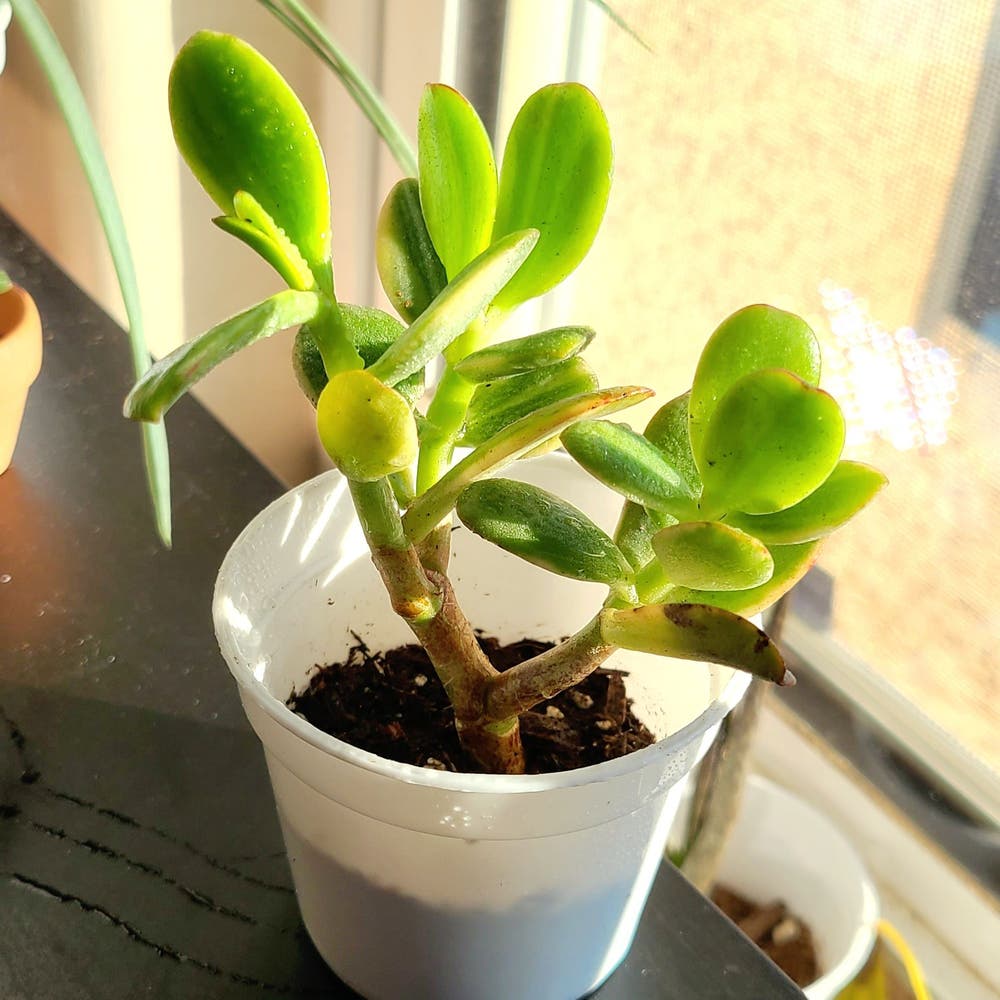
Why Is My Variegated Jade Plant Dropping Leaves?
Crassula ovata 'Variegata'
By the Greg Editorial Team
Jun 18, 2024•4 min read
This article was created with the help of AI so we can cover more plants for you. May contain errors. See one? Report it here.
Prevent leaf loss and ensure your variegated jade thrives 🌿 with these crucial, easy-to-follow care strategies.
- Overwatering and underwatering both lead to leaf drop; balance is crucial.
- Temperature extremes stress Jades; maintain a stable environment.
- Pests and root rot threaten health; use safe treatments and repot if needed.
Why Your Variegated Jade Plant Might Be Shedding Leaves
💧 Overwatering Woes
Yellow leaves waving the white flag? Overwatering might be your culprit. If your Variegated Jade's roots are drowning, it's time to rethink your watering strategy.
Quick fixes for waterlogged roots
First, halt all watering. Let the soil dry out completely. If your plant's in a no-drainage trap, repot it stat. Choose a gritty, well-draining mix and a pot that doesn't hold water hostage.
🏜️ Thirsty Plant Problems
Shriveled leaves? Your Jade might be thirstier than a marathon runner. Underwatering leaves your plant looking deflated and wrinkled.
Balancing the watering routine
The goal is to hit the hydration sweet spot. Wait until the top inch of soil is drier than a stand-up comic's humor before watering again. Remember, your Jade prefers a sip, not a swim.
🌡️ Feeling the Heat or the Chill
If your Jade's leaves are dropping like flies, it might be throwing a temperature tantrum. Too hot or too cold, and your plant will protest.
Creating an ideal climate for your Jade
Keep your plant away from drafts and direct heat sources. Aim for a consistent temperature range that's just right – think Goldilocks, but for plants.
🐜 Unwanted Guests: Pests
Spotting tiny critters on your plant? Pests love a good Jade buffet. Mealybugs, spider mites, and their pesky pals can cause leaf drop.
Safe pest control for your succulent
Show those bugs the door with a gentle insecticidal soap or neem oil treatment. Keep it non-toxic; your Jade will thank you.
🌱 The Dreaded Root Rot
Mushy stems and a funky smell? Bad news: root rot may have crashed the party. This is serious – it's the plant equivalent of a horror movie.
Steps to take if root rot has set in
If root rot is the diagnosis, it's surgery time. Remove the plant, trim away the rotten roots, and repot in fresh soil. Consider a fungicide if it's looking grim, but always opt for the least harsh treatment.

Turning Over a New Leaf: Remedies and Recovery
💧 Adjusting Your Watering Habits
Finding the sweet spot for hydration is crucial. Water only when the topsoil feels dry, and ensure your pot has adequate drainage. Remember, overwatering is like overfeeding—it's harmful. Adjust your routine to the plant's needs, not the calendar.
🏡 Creating a Cozy Environment
Stable conditions aid recovery. Keep humidity consistent and avoid temperature swings. Indirect light is your ally; direct sunlight can overwhelm a recovering plant. It's about nurturing, not overwhelming.
🐜 Pest-Free Peace of Mind
Prevent pests by checking the soil moisture before watering—roots dislike swimming. Evict pests early, using soapy water or appropriate pesticides. Introduce beneficial insects or use organic sprays as a first defense. Proactive care is the best health insurance.
🌱 Healing the Roots
Repotting? Think of it as a fresh start. Use a fluffy, nutrient-rich mix, and repot when the plant is crowded. After repotting, water to quench its thirst, then provide the right light and temperature. It's like plant therapy after a stressful event.

Keeping Your Jade Happy: Prevention Tips
💧 Consistency is Key: Watering Schedules
Set up a routine that works for your Variegated Jade Plant. The goal is to mimic the natural arid environment of the jade, which means watering thoroughly but infrequently. Allow the soil to dry out completely between waterings. This could mean watering every two to three weeks, but always check the soil first; it's your best indicator.
🌡 Monitoring Your Mini Ecosystem
Keep temperature and humidity levels stable to prevent stress on your plant. Variegated Jade Plants prefer a dry climate with plenty of light. They're not fans of drastic changes, so avoid placing them near drafty windows or heating vents. Use a pebble tray or a humidifier to maintain consistent humidity, especially if you live in an area with extreme seasonal changes.
👩⚕️ Regular Health Checks
Inspect your plant regularly for early signs of distress. Look for changes in leaf texture, color, and firmness. Healthy leaves should be plump and vibrant. If you notice any pests, isolate your plant and treat it with insecticidal soap or a neem oil solution. Keeping your tools clean and your plant's environment tidy will also help prevent infestations.

⚠️ Safety First
This content is for general information and may contain errors, omissions, or outdated details. It is not medical, veterinary advice, or an endorsement of therapeutic claims.
Always consult a qualified healthcare professional before using any plant as food, medicine, or supplement.
Never eat any plant (or feed one to pets) without confirming its identity with at least two trusted sources.
If you suspect poisoning, call Poison Control (800) 222-1222, the Pet Poison Helpline (800) 213-6680, or your local emergency service immediately.
Spotted an error? Please report it here.
Avoid the dreaded leaf drop 🍂 in your Variegated Jade by letting Greg monitor your watering schedule and pest control, ensuring your plant thrives without the guesswork.