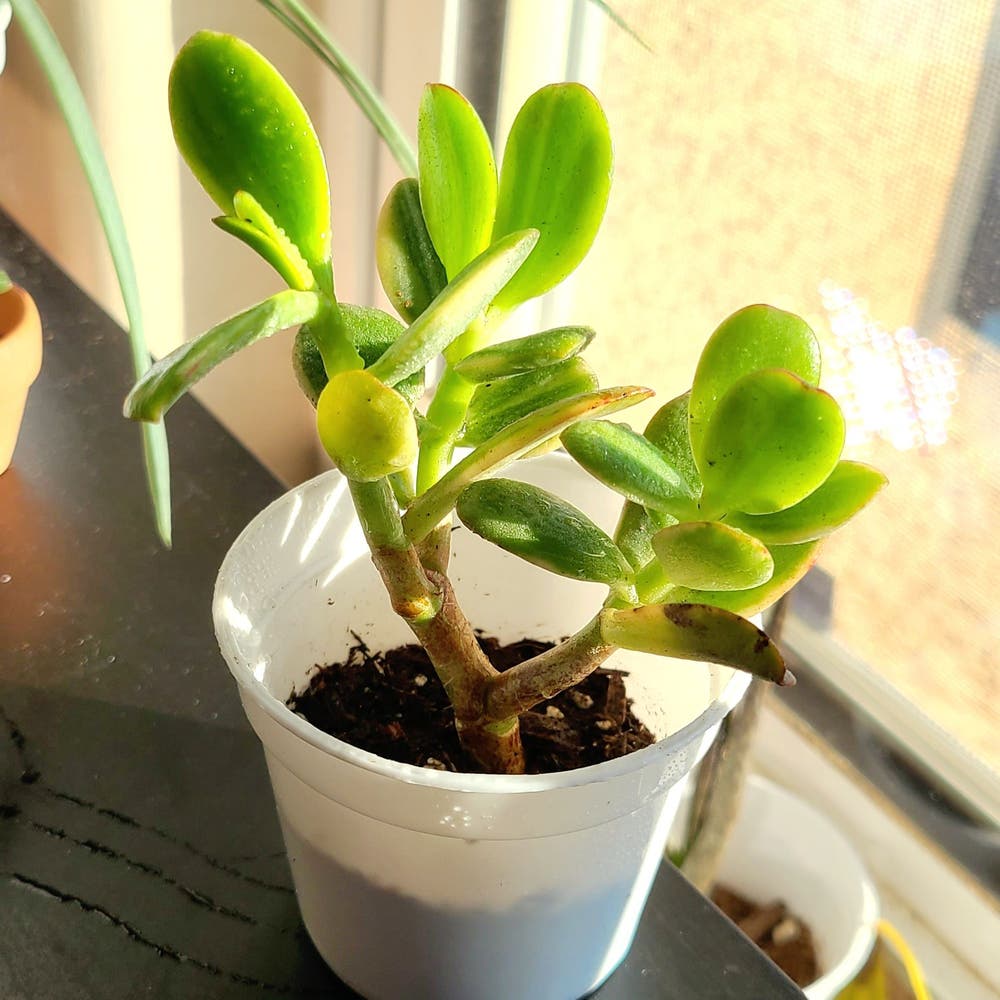
🐛 What To Do About Bugs on My Variegated Jade Plant?
Crassula ovata 'Variegata'
By the Greg Editorial Team
Jun 18, 2024•3 min read
This article was created with the help of AI so we can cover more plants for you. May contain errors. See one? Report it here.
Protect your jade's vibrant beauty 🌿 from destructive pests with essential, easy-to-follow care tips!
- Webbing and discoloration signal pests; act fast with natural or chemical remedies.
- Spider mites, scale insects, gnats, mealybugs: Identify and use targeted treatments.
- Prevent with care: Quarantine new plants, inspect regularly, and maintain proper watering.
Spotting Trouble: Signs Your Variegated Jade Plant Has Unwanted Guests
🕵️ Visual Clues
Webbing on your plant? That's the hallmark of spider mites setting up shop. Sticky residue or a shiny film on leaves often points to aphids or scale insects throwing a sap-sucking party. And if your jade's leaves are sporting unusual discoloration—think of it as a distress signal rather than a fashion statement.
🚨 Behavioral Signals
When your jade starts wilting without a clear reason, it's not just being dramatic—it's likely under pest attack. Stunted growth can be a sign that the pests are winning, hogging all the nutrients for themselves. And if leaves are taking the plunge prematurely, it's a classic case of pest-induced leaf drop. Keep an eye out; these behavioral changes are your plant's version of waving a white flag.

Meet the Culprits: Common Pests of Variegated Jade Plant
🕷️ Spider Mites
Tiny but mighty, spider mites are the ninjas of the pest world. They spin fine webs and leave yellow speckling on leaves. Spotting these signs means it's time to act. Fight back by introducing natural predators like ladybugs or applying organic miticides, ensuring these pests meet their match.
🛡️ Scale Insects
Scale insects are sneaky, masquerading as harmless bumps on stems and leaves. Brown or white bumps are a giveaway. To combat them, scrape off the imposters and douse the area with horticultural oil, delivering a one-two punch to these pesky critters.
🦟 Fungus Gnats and Fruit Flies
These pests are the party crashers of the soil world, with adults flying around and larvae lurking in the topsoil. Trap the adults with sticky traps and treat the soil with a biological agent like Bacillus thuringiensis to show these uninvited guests the door.
🐛 Mealybugs
Cottony masses tucked in the nooks of your plant scream mealybug. Clean these areas with an alcohol-dipped swab and follow up with insecticidal treatments to ensure these fluffy fiends don't stand a chance.

Remedies and Prevention: Keeping Your Variegated Jade Plant Pest-Free
🌿 Natural and Chemical Remedies
Neem oil and insecticidal soaps are the dynamic duo for eco-friendly pest control. They're like the pest world's kryptonite. Use them when you spot the first signs of trouble; they're gentle on plants but tough on bugs.
For a DIY approach, mix a teaspoon of mild liquid soap with a liter of water. Spray it on the leaves to send pests packing. Add a bit of vegetable oil, and you've got yourself a sticky trap for sap-suckers.
If you're dealing with a full-blown infestation, it might be time to bring out the big guns. But remember, chemical insecticides are the last line of defense. Use them sparingly and follow the label to the letter to avoid harming your plant.
🌱 Cultural Practices for Prevention
The best offense is a good defense. Start with soil care; let it dry out between waterings to avoid attracting pests that love moisture. Overwatering is like sending out a VIP invite to fungus gnats and their friends.
Quarantine new plants like they're potential carriers of the plant zombie virus. It's not personal, just good practice. This step helps prevent introducing new pests to your plant family.
Keep your jade plant in tip-top shape with proper watering and occasional pruning. Healthy plants are less likely to succumb to pest invasions. It's like keeping fit to avoid the flu.
And finally, inspect your plants regularly. Catching pests early can mean the difference between a quick fix and a full-blown plant ICU situation.

⚠️ Safety First
This content is for general information and may contain errors, omissions, or outdated details. It is not medical, veterinary advice, or an endorsement of therapeutic claims.
Always consult a qualified healthcare professional before using any plant as food, medicine, or supplement.
Never eat any plant (or feed one to pets) without confirming its identity with at least two trusted sources.
If you suspect poisoning, call Poison Control (800) 222-1222, the Pet Poison Helpline (800) 213-6680, or your local emergency service immediately.
Spotted an error? Please report it here.
Keep your variegated jade thriving 🌱 with Greg's personalized care reminders, helping you spot and stop pests before they become a problem.