🌳 How Tall Your Tree Heath Can Get
Erica arborea
By the Greg Editorial Team
Sep 30, 2024•4 min read
This article was created with the help of AI so we can cover more plants for you. May contain errors. See one? Report it here.
Elevate your garden's beauty with tree heath's impressive height and spread! 🌳
- 🌳 Tree heath typically grows 3-5 meters tall under optimal conditions.
- 🌱 Growth rate depends on soil quality and consistent moisture for best results.
- 🌿 Dwarf varieties stay under 1 meter, perfect for small gardens or containers.
Mature Height and Spread
Mature Height 🌳
Tree heath typically reaches a height range of 3-5 meters (10-16 feet) under optimal conditions. This impressive stature is influenced by several factors.
- Genetic predisposition plays a crucial role in determining how tall your tree heath can grow.
- Environmental conditions, such as soil quality and climate, significantly affect growth potential.
Spread 🌿
The average spread of tree heath ranges from 2-4 meters (6-13 feet), varying based on the specific variety and growing conditions.
Understanding the importance of spread is essential for effective landscape design. Proper spacing ensures that each plant has enough room to thrive, contributing to a balanced and visually appealing garden.
With these insights into height and spread, you can better plan your garden layout and choose the right varieties for your space. Next, let’s explore the growth rate and time it takes for your tree heath to reach maturity.
Growth Rate and Time to Maturity
🌱 Growth Rate
The growth rate of tree heath can be classified as moderate to fast, but this varies significantly based on environmental conditions. Key factors influencing this rate include soil quality and nutrient availability, which are crucial for robust growth.
Watering practices also play a vital role. Consistent moisture levels, combined with favorable climate conditions, can accelerate growth, allowing your tree heath to thrive.
⏳ Time to Maturity
Under ideal conditions, tree heath typically reaches its mature dimensions within 5 to 10 years. However, this timeframe can fluctuate due to various environmental factors, such as soil type and climate.
In less-than-ideal settings, you might find that growth slows down, extending the time it takes for your tree heath to fully mature. Understanding these dynamics can help you plan your garden more effectively.
As you consider the growth rate and time to maturity, keep in mind how these factors will influence your overall landscape design. Next, we'll explore how environmental conditions impact the size of your tree heath.
Size Variability Based on Conditions
🌍 Environmental Impact on Size
The size of your tree heath can significantly vary based on environmental factors. Acidic, well-draining soils are ideal, promoting optimal growth and robust health.
Sunlight and water are also critical. Full sun exposure can enhance growth rates, while consistent moisture levels are essential for achieving maximum size.
📏 Size Variability
Different growing conditions lead to notable size variability. For instance, tree heaths in urban settings often face challenges like limited space and competition for resources, which can stunt their growth.
In contrast, those in natural settings typically thrive, benefiting from ample sunlight and nutrient-rich soils. This comparison highlights how environmental factors play a crucial role in determining the ultimate size of your tree heath.
Understanding these variables can help you create the best conditions for your plants, ensuring they reach their full potential. Next, we’ll explore the various tree heath varieties and their unique characteristics.
Varieties
Dwarf Varieties 🌱
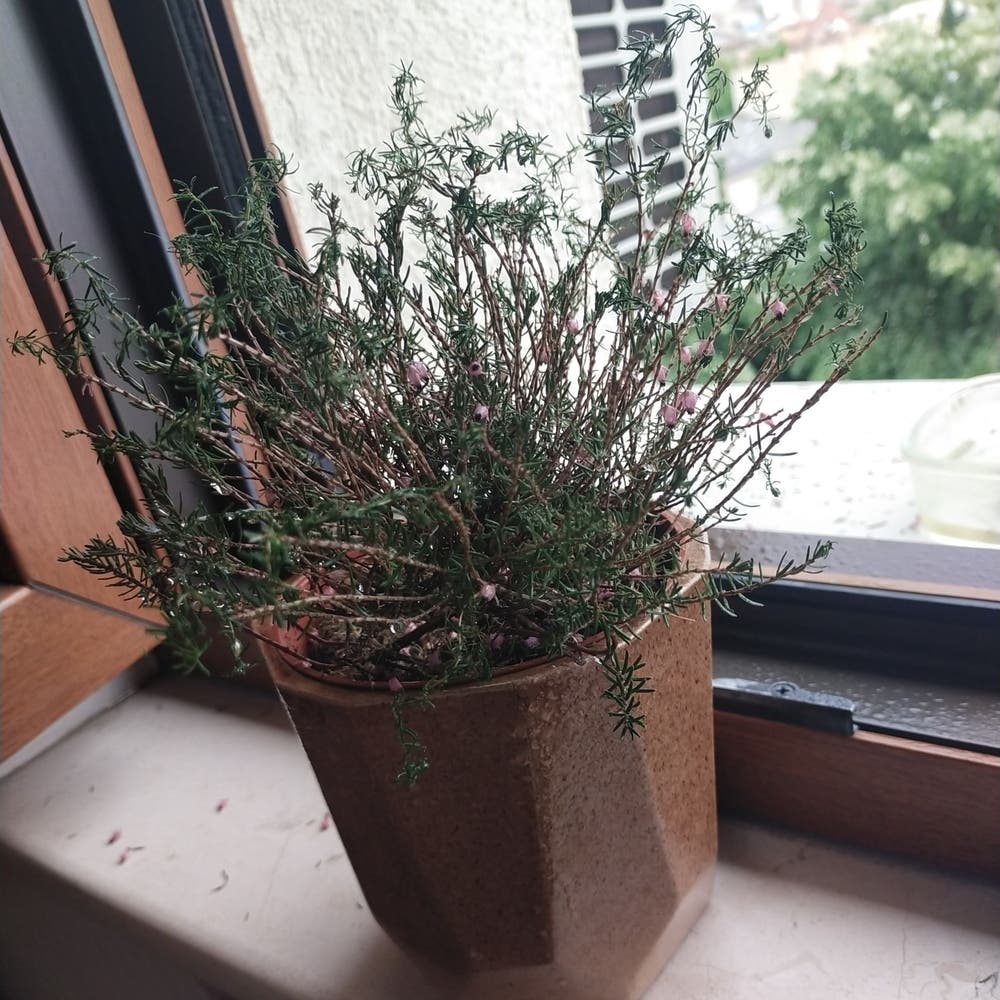
Dwarf tree heath varieties typically stay under 1 meter (3 feet) tall. These compact forms are perfect for small gardens or container planting, allowing you to enjoy their beauty without overwhelming your space.
Giant Varieties 🌳
On the other end of the spectrum, giant tree heath varieties can exceed 5 meters (16 feet) in height. These impressive specimens serve as stunning focal points in larger landscapes, making a bold statement wherever they are planted.
Understanding the differences between dwarf and giant varieties can help you choose the right tree heath for your gardening needs. Whether you're looking to maximize a small area or create a dramatic landscape, there's a perfect option for you.
Next, let's explore size control techniques to help you manage your tree heath's growth effectively.
Size Control Techniques
✂️ Pruning Methods
Effective pruning is essential for managing the size of your tree heath. Timing is crucial; prune during dormancy to minimize stress and ensure healthy regrowth.
Use sharp, clean tools for precise cuts. This helps maintain the plant's health and encourages new growth in the desired direction.
🌳 Training for Desired Shape
Shaping your tree heath early on can lead to stunning results. Utilize stakes and ties for young plants to guide their growth and establish a strong framework.
Early training is vital for achieving the long-term shape you envision. It sets the foundation for a well-structured, aesthetically pleasing plant.
📅 Seasonal Considerations for Pruning
Timing your pruning can make all the difference. Late winter or early spring is ideal for rejuvenation, allowing the plant to bounce back as it enters its active growth phase.
Avoid pruning during periods of vigorous growth. This minimizes stress and ensures your tree heath thrives in its environment.
With these techniques, you can effectively manage the size and shape of your tree heath, ensuring it remains a beautiful addition to your landscape. Next, let's explore the various tree heath varieties available to suit your gardening needs.
⚠️ Safety First
This content is for general information and may contain errors, omissions, or outdated details. It is not medical, veterinary advice, or an endorsement of therapeutic claims.
Always consult a qualified healthcare professional before using any plant as food, medicine, or supplement.
Never eat any plant (or feed one to pets) without confirming its identity with at least two trusted sources.
If you suspect poisoning, call Poison Control (800) 222-1222, the Pet Poison Helpline (800) 213-6680, or your local emergency service immediately.
Spotted an error? Please report it here.
Unlock your tree heath's maximum height 🌲 with Greg's tailored care reminders and expert tips to ensure it thrives in your garden!