10 Benefits of Having a Sweet William
Dianthus caryophyllus
By the Greg Editorial Team
Jun 14, 2024•10 min read
This article was created with the help of AI so we can cover more plants for you. May contain errors. See one? Report it here.
- 🌸 Vibrant colors and delightful fragrance enhance garden and indoor ambiance.
- 🐝 Attracts pollinators, supporting garden biodiversity and ecological balance.
- 🌱 Easy to grow with benefits like natural pest control and extended blooming.
Vibrant and Varied Color Palette
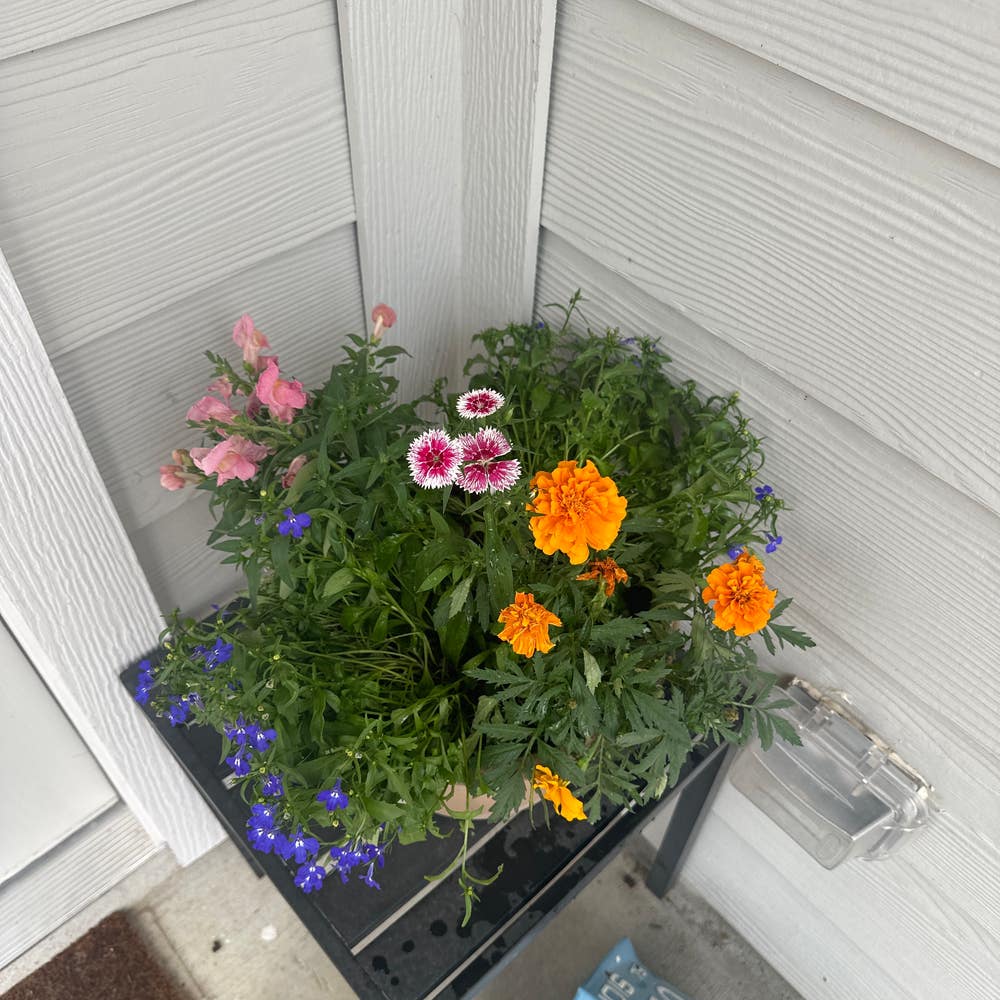
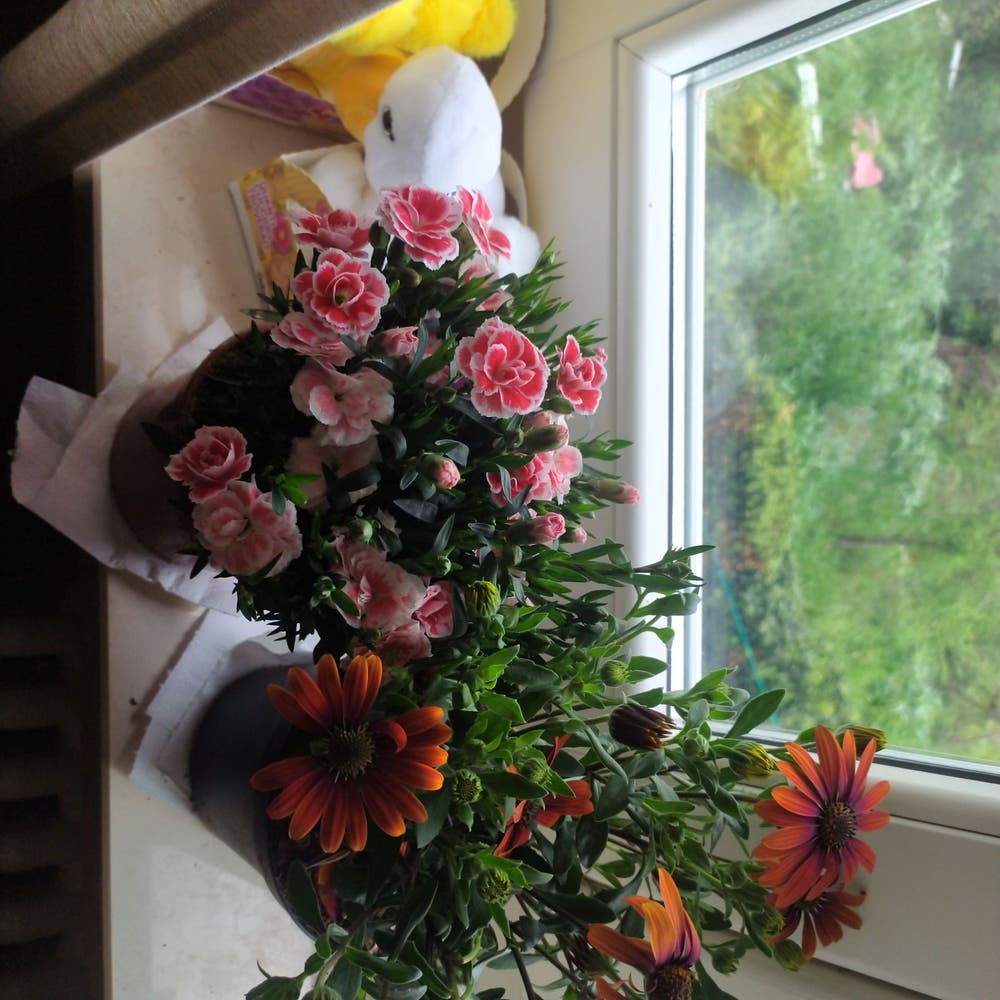
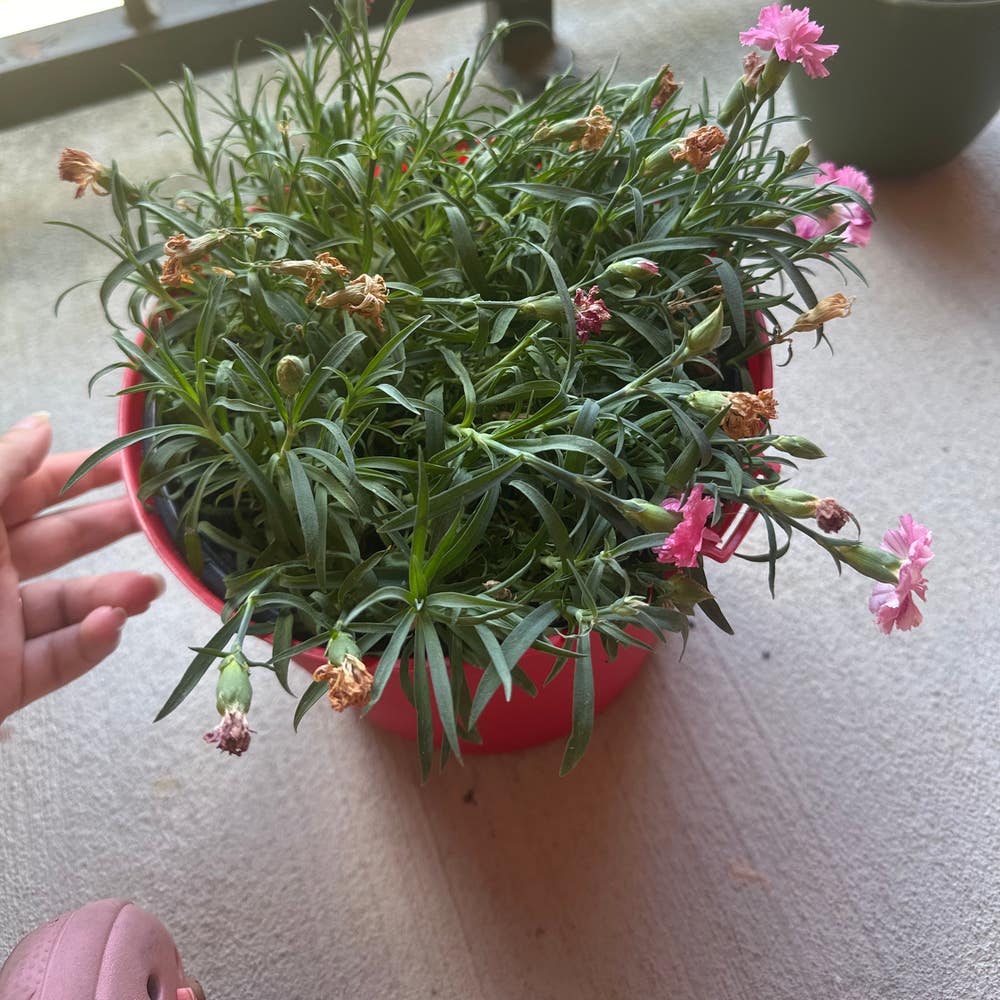
Sweet William's color spectrum is a feast for the eyes. From deep purples to soft whites, the plant's petals paint a living mosaic in gardens and bouquets alike.
🎨 A Visual Impact
The diverse hues of Sweet William make it a standout in any garden design. Its ability to blend or contrast with other plants creates dynamic landscapes without much effort.
💐 Bouquet Beauty
In floral arrangements, Sweet William adds depth and texture. Its range of colors can complement any theme, making it a favorite for events and home decor.
🌼 Garden Design Tips
For a striking display, consider color blocking with Sweet William. Grouping similar shades together can create a bold, organized look that's visually appealing.
🌸 Seasonal Splendor
Sweet William's long blooming season ensures that your garden stays vibrant from spring to frost. A reliable performer, it keeps the color coming all season long.

Delightful Fragrance
Sweet William enchants the senses with its pleasant aroma, reminiscent of a subtle spice with hints of clove. This fragrance has earned it a spot in the perfumery world, where its essence is captured in various scented products.
🌸 Enhancing Garden Ambiance
The scent of Sweet William can transform a garden into an olfactory oasis, mingling with the fresh air to create a truly inviting space. It's not just about the looks; the fragrance adds another layer of enjoyment to your garden experience.
🏡 Indoor Aromatherapy
Bringing Sweet William indoors can elevate the ambiance of any room. A bouquet can act as a natural air freshener, releasing waves of its sweet scent throughout the space, proving that nature's perfume often trumps artificial fragrances.
🌡️ A Note on Cultivation
While Sweet William's fragrance is a draw, it's worth noting that the plant thrives best in cooler climates and doesn't fancy heavy acidic soils or the scorching sun. Proper care ensures the sweet smell of success in your floral endeavors.

Attracts Beneficial Wildlife
Sweet William, a beacon for biodiversity, is more than just eye candy in your garden. Its blooms are like a VIP lounge for pollinators, with bees, butterflies, and birds all flocking for a taste.
🐝 The Pollinator Magnet
Bees buzz around Sweet William, drawn by its vibrant colors and sweet nectar. Butterflies, those fluttering jewels of the garden, can't resist stopping by. Even the occasional bird swoops in for a feast, turning your garden into a wildlife party.
🌍 Ecological Harmony
By planting Sweet William, you're not just gardening; you're crafting an ecosystem. Each insect that visits contributes to the health of your garden, pollinating plants and keeping the dreaded aphids in check. It's nature's own pest control, with no chemicals required.
⚠️ A Note of Caution
While Sweet William is a friend to wildlife, it's not so friendly to pets. Toxic to cats and dogs, it's best kept out of reach from your furry friends. Always prioritize safety and contact Poison Control or your vet if ingestion occurs.
🌱 The Bigger Picture
Embracing Sweet William means embracing nature's complexity. You're not just planting a flower; you're supporting a web of life that extends far beyond your backyard. It's a small step towards a more sustainable world, one bloom at a time.

Prolific Bloomer
Sweet William, a herald of spring, doesn't just flash its colors briefly and bow out. Its extended blooming period stretches from mid-spring until the first frost, a marathon of vibrancy in your garden. Imagine the delight of a flower that doesn't quit, ensuring a consistently vibrant garden.
🌺 Long-Lasting Blooms for Personal Enjoyment
The joy of Sweet William is in its longevity. With blooms that stick around, you get more bang for your buck—long-lasting flowers that become a staple of your personal sanctuary. No fleeting beauty here; just continuous splashes of red, pink, white, and bi-colored petals that keep the compliments coming.
💐 Floral Arrangements All Season
For those who love to bring the outdoors in, Sweet William is a gift that keeps on giving. Floral arrangements benefit from its durability and prolonged presence. Whether it's a casual vase on the kitchen table or a more elaborate bouquet for a special occasion, these flowers will not wilt at the first sign of a party.
✂️ A Cut Above
In the cutthroat world of cut flowers, Sweet William stands tall. It's not just about surviving the snip—these blooms thrive, boasting a long vase life. They're the unsung heroes in bouquets, adding depth and endurance to your floral designs.
🌱 Easy Propagation
Sweet William is not a one-hit wonder. It's a biennial that can be easily propagated by seed or cuttings, ensuring a recurring show year after year. And for those in USDA plant hardiness zones 3 through 9, it might just surprise you by coming back as a perennial. A true encore performance.
🦋 Attracting Wildlife
While you're admiring your Sweet William, so are the bees, butterflies, and hummingbirds. These pollinators are drawn to the long-lasting blooms, adding life and movement to your garden tableau. It's not just a visual feast but an ecological one too.
Ideal for Cut Flowers
Sweet William shines as a cut flower. Its durability makes it a mainstay in bouquets and floral arrangements for various events.
🌸 The Appeal of Sweet William in Floral Design
The robust nature of Sweet William allows it to withstand the journey from garden to vase with grace. Its vibrant hues and fringed petals add texture and depth to any floral composition.
🕰 Longevity and Care in Vases
With an approximate vase life of 5-10 days, Sweet William outlasts many other blooms, making it a cost-effective choice for decorators and florists. To extend its life, a clean vase, fresh water, and the occasional trim are all that's needed.
🎉 A Staple in Event Decor
From weddings to banquets, Sweet William is a go-to for its visual impact and ease of styling. It's no wonder that Duchess Kate Middleton chose it for her bridal bouquet—a nod to tradition and sentiment.
💡 Tips for Maximizing Vase Life
For those looking to get the most out of their cut Sweet Williams, avoid placing them in direct sunlight and consider using a sucrose vase solution to nourish the blooms. Regular water changes are also key to preventing bacterial growth.
🌺 Sweet William's Role in the Floral Industry
Its popularity isn't just a fluke; Sweet William's versatility and appealing aesthetic have cemented its status as a floral industry favorite. Whether it's adding a pop of color to a centerpiece or a fragrant touch to a boutonniere, this flower delivers.
Historical and Cultural Symbolism
Sweet William blooms with more than just petals; it carries a backstory steeped in history and culture. From Victorian gallantry to royal weddings, this flower's symbolism is as rich as its hues.
🌹 Victorian Gallantry and Royal Nods
Duchess Kate chose Sweet William for her bridal bouquet, nodding to her groom and the flower's connotations of bravery and admiration. In Victorian times, it was a floral emblem of gallantry, often linked to the Battle of Culloden.
🏛 Mythology and Misconceptions
Despite common mix-ups, Sweet William is not the flower of Ancient Greek tales involving goddess Diana's wrath. That's the carnation's claim to fame. But don't let that diminish Sweet William's divine status; its genus name Dianthus hails from the Greek for "flower of the gods."
🎭 Shakespeare or Cumberland?
The origin of its name is a hodgepodge of theories, from a nod to Shakespeare to Prince William, Duke of Cumberland. Some even suggest a French connection with the word "oeillet," meaning "little eye."
💐 A Language of Its Own
In the language of flowers, Sweet William articulates love, grace, and admiration. Each color whispers a different sentiment: white for mourning, pink for friendship, red for romance. It's a botanical Morse code for the emotionally articulate.
🌍 Cultural Tapestry
Beyond personal gardens, Sweet William has made cameos in English folk ballads and is a staple in cottage-style bouquets. It's not just a plant; it's a living archive of human expression.
Easy to Grow and Care For
Sweet William plants are forgiving to those with less-than-green thumbs, thriving with basic care. Well-draining soil and a sunny spot kickstart a happy life for these blooms.
🌱 Minimal Care Requirements
Sweet William isn't a diva; it prefers simple living. Regular watering keeps it content, and it's not fussy about its soil as long as it drains well. No need for constant fertilizing—just repot when it's growth spurt time.
👩🌾 Gardener's Delight
For the gardeners who'd rather not spend every waking hour tending to their plants, Sweet William is a stress reliever. It grows without demanding much, offering a mental break and a sense of accomplishment as it flourishes.
🏆 Low Maintenance, High Satisfaction
Whether you're a newbie or a seasoned gardener, Sweet William doesn't discriminate. It's an easy win in the garden, rewarding your minimal efforts with vibrant colors and a sweet scent.
Natural Pest Deterrent
Sweet William, with its minimal pest issues, serves as a natural ally in the garden's delicate ecosystem. It's a low-maintenance warrior against unwanted critters, reducing the need for harsh chemical pesticides.
🐜 The Role in Pest Management
Sweet William's presence can help deter pests naturally. This is a boon for gardeners aiming for an organic approach to pest control. By fostering a healthy environment, Sweet William contributes to a balanced garden that self-regulates its pest population.
🌿 Advantages Over Chemicals
Opting for Sweet William over synthetic solutions means less environmental impact and a safer space for pets and children. It's a win-win: vibrant blooms with the added perk of pest deterrence. Plus, you get to ditch the chemical warfare and its associated risks, like pesticide resistance.
🦋 Encouraging Beneficial Wildlife
Beyond repelling pests, Sweet William attracts beneficial pollinators like bees and butterflies. This not only aids in plant reproduction but also bolsters the garden's defense system by supporting predators of harmful insects.
♻️ A Sustainable Choice
Incorporating Sweet William into your garden is a step towards sustainable gardening. It's a nod to biodiversity and a handshake with nature, saying, "Let's work together."
Edible and Medicinal Properties
Sweet William, with its spicy clove-like aroma, isn't just a feast for the eyes. It's a culinary chameleon, sneaking into traditional recipes, winemaking, and as a zesty garnish. But before you start plucking petals for your pot, heed this: not all sources agree on its edibility. While some herald its use in the kitchen, others wave a red flag, especially if you've got curious pets or kids. Always check with a reliable source before adding it to your menu.
🍽️ Culinary Uses
In the realm of edible flowers, Sweet William is like that guest you weren't sure about inviting to the party. Some say it's a hit, bringing a unique flavor to dishes, while others suggest it's best left off the guest list. If you're feeling adventurous and have done your homework, you might try it as a garnish or to add a little flair to your culinary creations.
💊 Medicinal Uses
On the medicinal front, Sweet William's been hanging around the herbal medicine scene, purportedly packing anti-inflammatory effects. Its extracts find their way into beauty products, hinting at a secret life beyond the vase. Traditional uses include treating catarrh, but let's not swap out the pharmacy for the flower bed without some solid evidence and expert advice.
Remember, the line between helpful herb and harmful plant can be thin. Always consult with a professional before turning your garden into a makeshift apothecary.
⚠️ Safety First
This content is for general information and may contain errors, omissions, or outdated details. It is not medical, veterinary advice, or an endorsement of therapeutic claims.
Always consult a qualified healthcare professional before using any plant as food, medicine, or supplement.
Never eat any plant (or feed one to pets) without confirming its identity with at least two trusted sources.
If you suspect poisoning, call Poison Control (800) 222-1222, the Pet Poison Helpline (800) 213-6680, or your local emergency service immediately.
Spotted an error? Please report it here.
Cultivate a vibrant Sweet William garden 🌈 with ease, as Greg crafts your perfect watering schedule and care reminders for blooms that last from spring to frost.