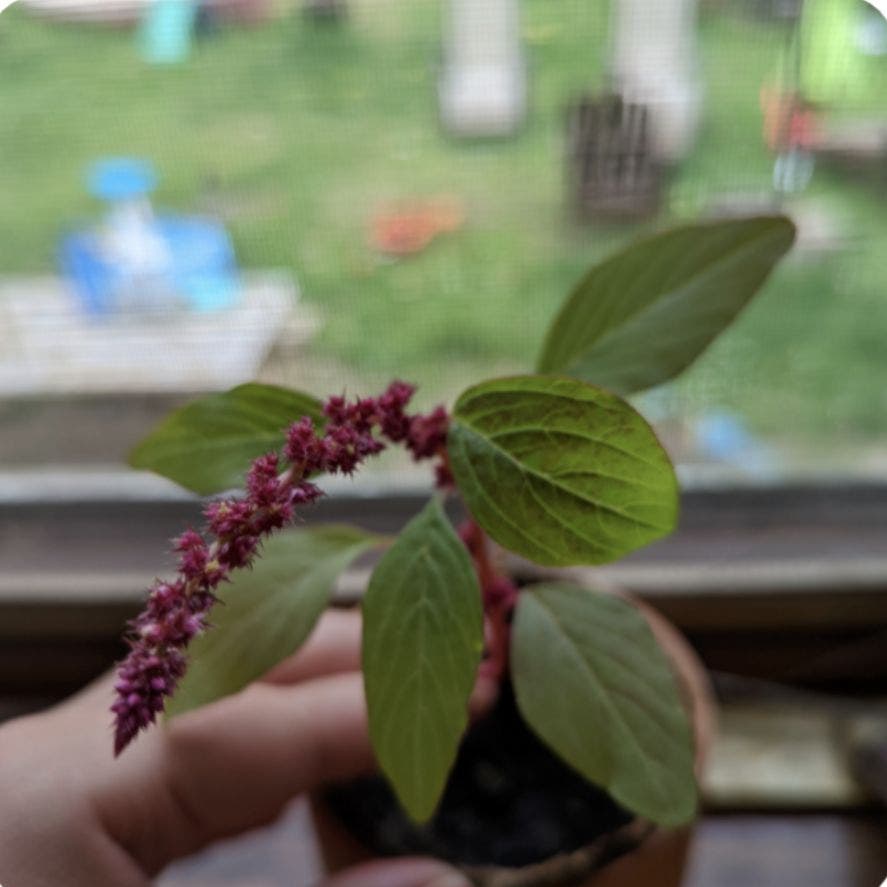
How to Propagate Your Palmer Amaranth
Amaranthus palmeri
By the Greg Editorial Team
Feb 02, 2024•4 min read
This article was created with the help of AI so we can cover more plants for you. May contain errors. See one? Report it here.
- Harvest and store seeds properly for peak viability and germination success.
- Use rooting hormone for stem cuttings and gentle handling to prevent shock.
- Divide carefully, ensuring new plants have roots and shoots, and provide proper aftercare.
From Seed to Seedling: A Propagator's Journey
🌱 Collecting and Preparing Your Seeds
Harvesting seeds is all about timing. You want to catch them at peak ripeness, just before they're ready to make a break for it on the wind. Store them in a cool, dry place—think bank vault conditions for your green gold. Viability is your watchword; improper storage is like throwing money down the drain.
🌱 Germinating Your Future Plants
Germination is the plant equivalent of a wake-up call. Warmth and moisture are your best friends here, but don't drown the poor things. Use a seed-starting mix that's the soil equivalent of a down comforter—light, fluffy, and just right for tiny roots.
🌱 Moving Day: Transplanting Seedlings
When seedlings sprout true leaves, it's time for their first big move. Gentle is the keyword; handle them like you would a carton of eggs. Balance moisture and light like a tightrope walker—too much or too little, and you'll see the consequences fast. Keep an eye out for the telltale signs of transplant shock and be ready to play plant doctor.
Cloning Your Palmer Amaranth: Vegetative Propagation
🌱 Making the Cut: Propagating from Stem Cuttings
To propagate Palmer Amaranth from stem cuttings, start by selecting healthy stems. Look for vibrancy and signs of robust growth, steering clear of any pest-ridden or diseased parts.
Choose Your Champions
Snip a 4-6 inch length from the stem, ensuring it includes at least one node. Nodes are key—they're where the roots will sprout. Remove lower leaves to direct energy to root development.
Rooting for Success
Dip the cut end into rooting hormone to kickstart growth. Plant the cutting in moist soil, providing a stable environment. Patience is your ally; roots may take several weeks to develop.
🌿 Dividing to Multiply: Root Division Technique
Dividing your Palmer Amaranth is like giving your plant a new lease on life. It's a straightforward way to create more plants from one.
Step-by-Step Guide to Root Division
Gently unearth the plant, maintaining the integrity of the root ball. Look for natural separations and use a sharp, clean tool to divide. Each section should have a fair share of roots and shoots.
Aftercare for Divided Plants
Post-division, plants will be vulnerable. Pot them up in fresh soil, water them well, and place them in a spot with indirect light. Keep the soil consistently moist as they establish themselves in their new homes.
Overcoming Propagation Pitfalls
🌱 Troubleshooting Germination Gripes
Germination can be a fickle beast. If your seeds are as unresponsive as a teenager at 7 AM, it's time to reassess. Overwatering is a frequent misstep, turning your soil into a fungal playground. Aim for damp, not soggy. Temperature is another key player; seeds need warmth like we need coffee in the morning. Ensure they're cozy but not overheating.
Vigilance is your ally. Spotting early signs of trouble, such as yellowing leaves or stunted growth, can save your crop from doom. And cleanliness? It's paramount. Sterilize your tools to keep diseases and pests from gatecrashing your germination party.
🌿 Transplanting Troubles and Triumphs
Transplanting is like moving to a new city; it's exciting but stressful. To prevent transplant shock, handle your plants with the care of a bomb technician. Gentle does it. Ensure the new environment is welcoming with the right moisture and light conditions.
Root rot is the Titanic of plant problems. If you spot roots that look like they've been through a horror movie, trim the damage. Make sure your soil drains like a colander. Good airflow is the invisible hero here, preventing fungal spores from settling in. If your cuttings are stubbornly rootless, check if you're cutting near the nodes, the root growth hotspots.
Remember, every propagation hiccup is a chance to grow your green thumb. Embrace the challenges and learn from them. Happy propagating!
⚠️ Safety First
This content is for general information and may contain errors, omissions, or outdated details. It is not medical, veterinary advice, or an endorsement of therapeutic claims.
Always consult a qualified healthcare professional before using any plant as food, medicine, or supplement.
Never eat any plant (or feed one to pets) without confirming its identity with at least two trusted sources.
If you suspect poisoning, call Poison Control (800) 222-1222, the Pet Poison Helpline (800) 213-6680, or your local emergency service immediately.
Spotted an error? Please report it here.
Propagate your Palmer Amaranth effortlessly 🌱 with Greg's custom care reminders and access to expert advice for robust growth every step of the way.