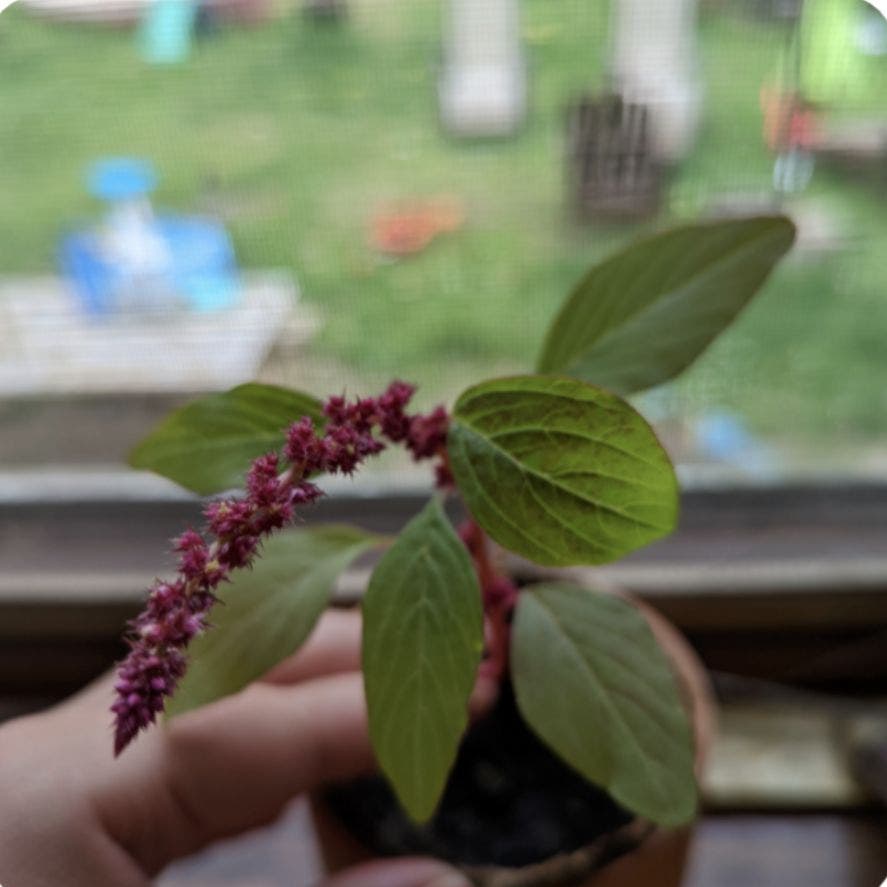
🌞 Is My Palmer Amaranth Getting Too Much Direct Sunlight?
Amaranthus palmeri
By the Greg Editorial Team
Feb 02, 2024•3 min read
This article was created with the help of AI so we can cover more plants for you. May contain errors. See one? Report it here.
- 6-8 hours of direct light daily is ideal for Palmer Amaranth.
- 🌿 Vibrant growth indicates just the right amount of sunlight.
- Rotate and adjust location to prevent sunburn and ensure even growth.
When Direct Sunlight Becomes a Tan for Palmer Amaranth
🌞 Palmer Amaranth's Sunbathing Preferences
Palmer Amaranth thrives in abundant sunlight. Ideally, it should bask in direct light for 6-8 hours daily. This sun worshipper's sweet spot lies close to a window, soaking up rays without a barrier.
Signs of perfect sun exposure include vibrant growth and the absence of discoloration. When the leaves maintain their rich color and the plant exhibits robust growth, you've nailed the lighting.
🚨 When Sunlight Overstays Its Welcome
Too much of a good thing can lead to a sunburnt Palmer Amaranth. Look out for brown spots or leaves turning pale and crispy. These are distress signals that your plant is getting more sun than it can handle.
Immediate steps to prevent further damage include moving the plant to a shadier spot or filtering the light with sheer curtains. Regularly rotate your plant to ensure even exposure and prevent one-sided tanning. Keep an eye on the soil moisture; it should be dry to the touch before watering again. Remember, moderation is key to avoid the crispy critter syndrome.
The Window Compass: Navigating Sunlight Indoors
🌞 The Sunny Side of the House
Finding the optimal window for your Palmer Amaranth is like hitting the jackpot. South-facing windows are the solar kings, offering a full day of sun in the Northern Hemisphere. This is prime real estate for your sun-loving Amaranth. But remember, this might be too much of a good thing; you don't want to fry your green friend.
🌍 Hemisphere Hacks
As the Earth struts its seasonal catwalk, the sun's angle shifts. Your Palmer Amaranth's tan depends on it. In the Northern Hemisphere, south-facing windows maintain the sunbathing glory year-round. But if you're chilling in the Southern Hemisphere, it's the north-facing windows that'll give your plant the light it craves. Keep an eye on the calendar—seasonal shifts mean it's time to shuffle your plant's position to catch the right rays.
Outdoor Palmer Amaranth: Basking in the Glory
🌞 Picking the Perfect Spot in the Garden
Palmer Amaranth thrives in full sunlight, but location is key. USDA Hardiness Zones 7a-12b are ideal, so check your zone before planting. Ensure the spot gets abundant bright light but watch for signs of distress, indicating a need for shade.
🌤 Seasonal Sun Shifts
The sun's path changes with the seasons, and so should the position of your Palmer Amaranth. Summer's intense rays may necessitate a move to a spot with afternoon shade. Conversely, winter's weaker light might require a sunnier location to maintain growth and vitality. Stay observant and ready to adjust.
Indoor Palmer Amaranth: Sunlight Without Sunburn
🌞 The Right Room for Radiance
Palmer Amaranth craves bright light but doesn't fancy a sunburn. North-facing windows are a jackpot, offering a steady stream of indirect sunlight. If your windows are more direct, play it cool with a step back from the glass. Rotate your plant regularly to ensure even growth and prevent one-sided tanning.
🕶️ Sunscreen for Plants
Sheer curtains are your Palmer Amaranth's best friend, diffusing harsh rays into a gentle glow. Think of them as SPF for leaves. If curtains aren't your style, a well-placed bookshelf or frosted window film can also shield your green buddy from the sun's overzealous embrace. Remember, the goal is to mimic the dappled sunlight of its natural habitat, not the full glare of a summer beach.
⚠️ Safety First
This content is for general information and may contain errors, omissions, or outdated details. It is not medical, veterinary advice, or an endorsement of therapeutic claims.
Always consult a qualified healthcare professional before using any plant as food, medicine, or supplement.
Never eat any plant (or feed one to pets) without confirming its identity with at least two trusted sources.
If you suspect poisoning, call Poison Control (800) 222-1222, the Pet Poison Helpline (800) 213-6680, or your local emergency service immediately.
Spotted an error? Please report it here.
Keep your Palmer Amaranth thriving 🌞 with Greg's PlantVision, ensuring it gets the perfect amount of sunlight for those rich-colored leaves!