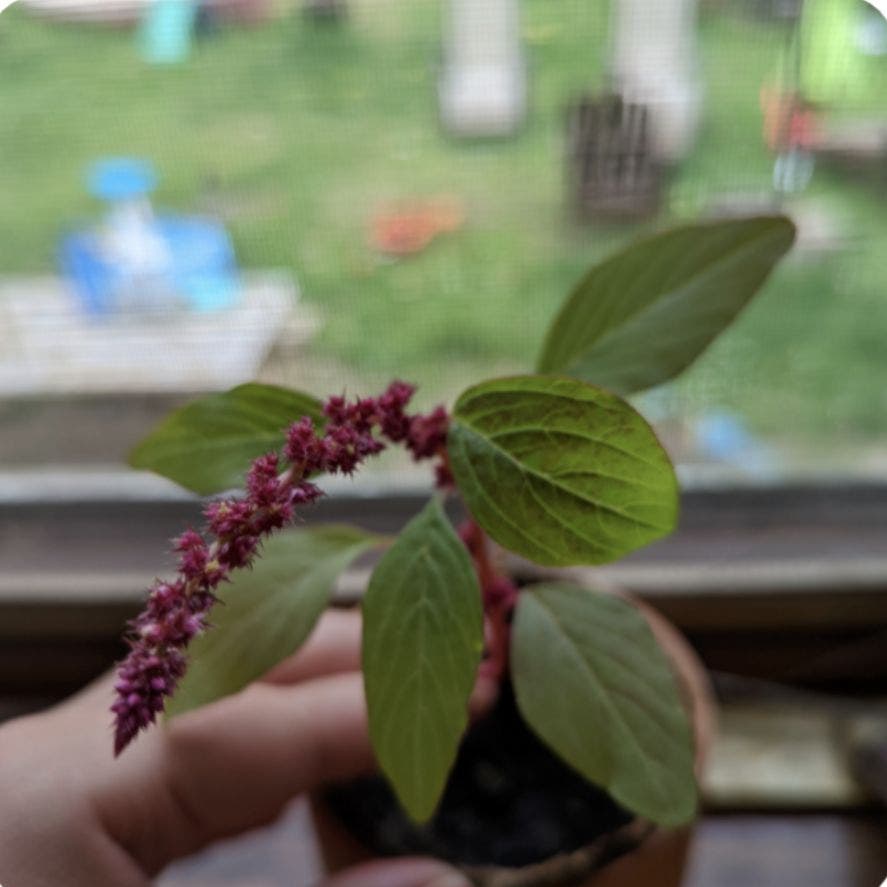
How and When Should I Cut Back My Palmer Amaranth?
Amaranthus palmeri
By the Greg Editorial Team
Feb 02, 2024•3 min read
This article was created with the help of AI so we can cover more plants for you. May contain errors. See one? Report it here.
- Late spring to summer pruning encourages healthy Palmer Amaranth growth.
- Prevent seeding by cutting back before seed head matures.
- Use bypass pruners/shears for clean cuts and bushier plants.
Timing Your Trims: When to Prune Palmer Amaranth
⏰ Seasonal Pruning Cues
Pruning Palmer Amaranth aligns with the seasons. The plant thrives in warmth, so late spring through summer is your window for action. Pruning outside this period risks the plant's dormancy and reduced recovery.
🌱 Growth Stage Considerations
Lifecycle stages are key. Young plants are resilient; mature ones, less so. Prune when the plant is actively growing but before it becomes a seed-spreading monster.
💣 Seed Head Dilemma
The seed head is Palmer Amaranth's ticking time bomb. Prune before it matures to prevent a full-scale invasion. Timing is everything—aim to interrupt the seed production cycle without mercy.
The Right Cut: Pruning Techniques for Palmer Amaranth
🛠️ Choosing Your Tools
Sharpness is non-negotiable. For Palmer Amaranth, bypass pruners or garden shears are your go-to. They make clean cuts that heal quickly, reducing the risk of disease. Keep them well-maintained; a dull blade mangles stems, inviting trouble.
🌱 Pruning Heights and Cuts
Pruning isn't a wild free-for-all; it's a calculated move. Height matters. Cut Palmer Amaranth back to 1 inch above the soil to limit height and seed production, as research suggests. But don't get snip-happy; avoid cutting into the woody base to prevent damage.
🌿 Encouraging Bushier Growth
Want a fuller plant? Get strategic with your cuts. Pinch back the tips of young shoots to encourage branching. For mature plants, make selective cuts above leaf nodes. This promotes a bushier appearance and deters the lanky, weedy look nobody wants.
Shaping Up: Pruning for Aesthetic Appeal
🌿 Visual Balance
Creating symmetry and shape is key to enhancing your Palmer Amaranth's visual appeal. Pruning isn't just about plant health; it's about sculpting a living piece of art. Each cut should be made with the intention of revealing the plant's natural form, promoting a balanced and pleasing growth.
🌱 Selective Pruning
Deciding which branches to prune is like being an editor for a manuscript; you remove what doesn't add value. Aim for a well-maintained appearance by removing overgrown leaves, awkward branches, or anything that disrupts the plant's harmony. Sharp, clean cuts are crucial—they prevent damage and disease, keeping your Palmer Amaranth looking its best.
After the Snip: Post-Pruning Care
🌱 Healing and Recovery
After pruning your Palmer Amaranth, immediate care is essential. Ensure the plant has ample water, light, and nutrients to foster a robust comeback. It's like post-op for your green companion—vital for its recovery.
🕵️ Monitoring for Issues
Vigilance is crucial. Keep an eye out for new growth; it's a thumbs-up from your plant. Conversely, yellowing leaves or stunted growth signal distress. Act swiftly if you spot pests or disease—your plant's defenses are down, and it's prime time for invaders. Remember, clean up any pruned material to prevent rot and disease. Stay on top of things, and your Palmer Amaranth will thank you with lush, vibrant growth.
⚠️ Safety First
This content is for general information and may contain errors, omissions, or outdated details. It is not medical, veterinary advice, or an endorsement of therapeutic claims.
Always consult a qualified healthcare professional before using any plant as food, medicine, or supplement.
Never eat any plant (or feed one to pets) without confirming its identity with at least two trusted sources.
If you suspect poisoning, call Poison Control (800) 222-1222, the Pet Poison Helpline (800) 213-6680, or your local emergency service immediately.
Spotted an error? Please report it here.
Prune your Palmer Amaranth to perfection ✂️ with Greg's tailored care reminders, ensuring a vibrant and manageable garden.