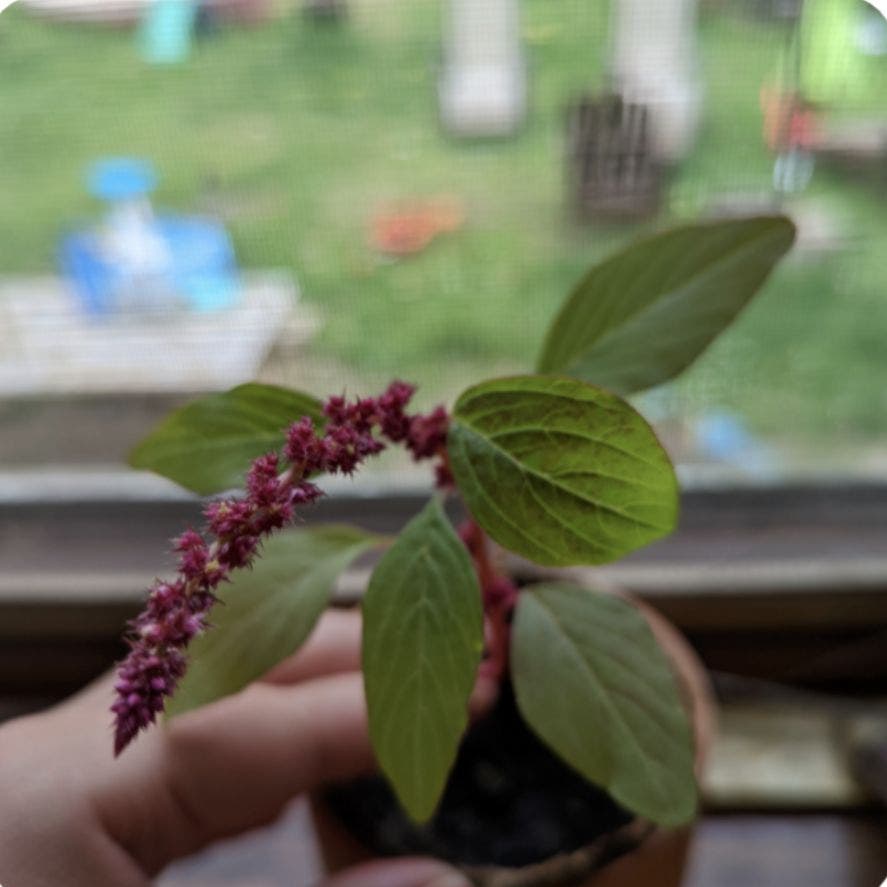
Best Soil Potting Mix for Palmer Amaranth
Amaranthus palmeri
By the Greg Editorial Team
Feb 02, 2024•3 min read
This article was created with the help of AI so we can cover more plants for you. May contain errors. See one? Report it here.
- 🚩 Mold and yellowing leaves signal soil and plant distress.
- Balance drainage and retention with perlite, sand, and peat moss.
- Slightly acidic pH (6.0-7.0) ensures vigorous Palmer Amaranth growth.
Spotting and Fixing Unhappy Palmer Amaranth Soil
🚨 Recognizing the SOS Signs from Your Soil
Mold in your Palmer Amaranth's soil is a red flag. A musty smell or a visual of fuzzy, unwelcome guests means your soil is more nightclub for fungi than a nurturing bed for your plant. Yellowing leaves or stunted growth? These are your plant's way of waving a white flag. It's not being quirky; it's crying out for help.
🔄 Turning the Soil Ship Around
Combat mold by cutting back on watering and improving air circulation. Think of your soil as a cake that needs fluffing; work in some perlite or sand to break up the compactness. Nutrient boost time? Don't just throw fertilizer at the problem. Enrich your soil with organic matter to give your Palmer Amaranth the gourmet diet it deserves. Remember, a thriving plant starts with the soil it calls home.
Crafting the Perfect Home Brew for Your Palmer Amaranth
🌱 The Foundation: Choosing Your Base Ingredients
Palmer Amaranth thrives in well-draining soil that mimics its natural environment. To create the ultimate potting mix, start with a sterile all-purpose potting soil as your canvas. This acts as a nutrient-rich foundation.
🚰 Balancing Drainage and Water Retention
For optimal growth, balance is key. Mix in perlite and coarse sand to enhance drainage, preventing root rot. Add sphagnum peat moss to retain moisture and regulate pH levels. Aim for a mix that feels like a crumbly, moist cake, not a soggy swamp.
🌿 Getting the Mix Just Right
📏 Ratios and Mixing Techniques
The magic is in the mix. Combine 2 parts potting soil, 1 part perlite, and 1 part coarse sand. For moisture and pH control, add 1 part sphagnum peat moss. Mix thoroughly to avoid layering—uniformity is crucial.
🧪 The pH Factor
Palmer Amaranth prefers a slightly acidic to neutral pH. Test your mix and adjust accordingly, aiming for a pH between 6.0 and 7.0. This ensures nutrient availability and uptake, setting the stage for vigorous growth.
The Secret Sauce: Enhancing Your Soil Mix
💪 Feeding Time: Supplements and Fertilizers
Timing is everything when it comes to feeding your Palmer Amaranth. Introduce extra nutrients during the growth phase, when the plant is most receptive. Mix in a balanced organic fertilizer before planting and consider a mid-season top-up to keep things lush.
Organic or synthetic? The debate rages on, but for Palmer Amaranth, organic fertilizers are the go-to. They release nutrients slowly, improving soil structure and microbial life. Synthetic options can be more concentrated and fast-acting, but they come with a risk of nutrient burn and environmental harm.
🧼 Keeping It Clean: Sterilization and Maintenance
Sterilization isn't just for hospitals; your soil needs it too. Bake your soil at 180-200°F for 30 minutes to nix pests and pathogens. This step is crucial for a pest-free start, especially if you're recycling soil.
For ongoing care, monitor your soil's condition monthly. If it's compacted or starts to smell funkier than a forgotten gym bag, it's time to refresh. A top layer of compost or worm castings can rejuvenate your mix without overwhelming your plant's roots.
⚠️ Safety First
This content is for general information and may contain errors, omissions, or outdated details. It is not medical, veterinary advice, or an endorsement of therapeutic claims.
Always consult a qualified healthcare professional before using any plant as food, medicine, or supplement.
Never eat any plant (or feed one to pets) without confirming its identity with at least two trusted sources.
If you suspect poisoning, call Poison Control (800) 222-1222, the Pet Poison Helpline (800) 213-6680, or your local emergency service immediately.
Spotted an error? Please report it here.
Nurture your Palmer Amaranth to peak health 🌿 with Greg's tailored watering schedules and soil monitoring for the perfect growth environment.