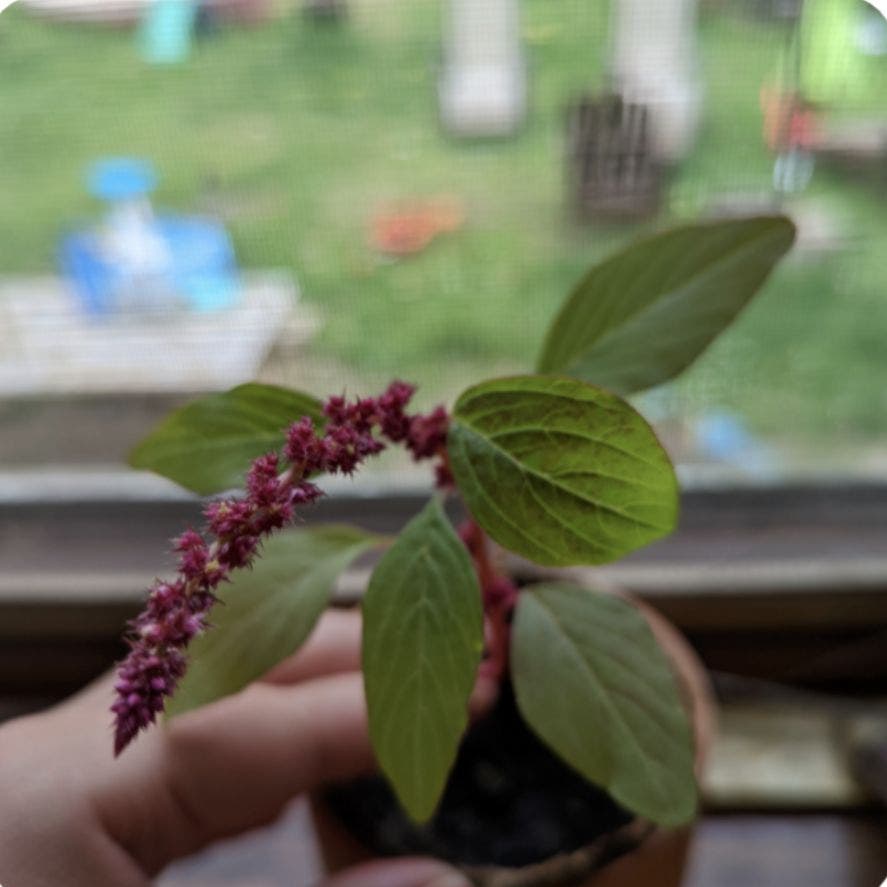
📏 How Big a Palmer Amaranth Gets
Amaranthus palmeri
By the Greg Editorial Team
Nov 26, 2024•5 min read
This article was created with the help of AI so we can cover more plants for you. May contain errors. See one? Report it here.
- 🌱 Palmer Amaranth can grow 3 to 10 feet tall, depending on soil and nutrients.
- 💧 Adequate water and nutrient-rich soil are essential for maximizing growth potential.
- ⚖️ Effective management strategies help control Palmer Amaranth's size and competition with crops.
Mature Height and Spread
Mature Height 🌱
Palmer Amaranth can reach impressive heights, typically ranging from 3 to 10 feet. Several factors influence this growth, including soil quality, nutrient availability, and water supply.
Plant Spread 🌿
In terms of spread, Palmer Amaranth averages between 2 to 4 feet. However, this can vary significantly based on plant density and competition with neighboring plants.
Factors Influencing Height 📏
Soil quality plays a crucial role in determining how tall these plants can grow. Nutrient availability, particularly nitrogen levels, can also lead to taller growth, while adequate water supply is essential for maximizing height.
Factors Influencing Spread 📊
The spread of Palmer Amaranth is not just a product of its genetics; it’s also influenced by how densely the plants are packed together. When competing with other plants, their spread may be limited, leading to variations in size.
Understanding these dimensions is vital for effective management in agricultural settings. As we explore the growth rate and time to maturity next, we’ll see how quickly Palmer Amaranth can reach these impressive sizes.
Growth Rate and Time to Maturity
🌱 Growth Rate
Palmer Amaranth is known for its rapid growth rate, often reaching full size within a single growing season. This weed can outpace many common weeds due to its remarkable adaptability to various environmental conditions.
⏳ Time to Maturity
Typically, Palmer Amaranth reaches its mature dimensions within 60 to 90 days under optimal conditions. However, several factors can influence this timeframe, including environmental conditions and differences between cultivars.
Environmental Conditions
The growth rate can be significantly affected by factors such as soil quality, moisture levels, and sunlight exposure. For instance, a nutrient-rich environment can accelerate growth, while drought conditions may hinder it.
Cultivar Differences
Different cultivars of Palmer Amaranth may exhibit variations in growth rates and time to maturity. Understanding these differences can help in managing this weed effectively in agricultural settings.
In summary, Palmer Amaranth's rapid growth and relatively quick time to maturity make it a formidable challenge for farmers. As we explore the implications of its size in agriculture, we will look at how its growth characteristics impact crop competition and management strategies.
Size Variability Based on Conditions
🌍 Environmental Impact on Size
Palmer Amaranth is remarkably adaptable, which leads to significant variability in its size. This adaptability means that the plant can thrive in a range of environmental conditions, influencing both its height and spread.
Soil type plays a crucial role in determining size. For instance, sandy soils may limit growth compared to nutrient-rich loamy soils. Additionally, nutrient levels are vital; high nitrogen availability can promote taller growth, making the plant even more formidable.
📊 Case Studies
Observations from agricultural fields reveal fascinating variations in Palmer Amaranth's height and spread based on local conditions. In some regions, farmers have noted plants reaching up to 10 feet tall, while in others, they remain closer to 3 feet.
These case studies highlight the importance of understanding local environmental factors. By recognizing how soil type and nutrient levels affect Palmer Amaranth, farmers can better prepare for its impact on their crops.
As we delve deeper into managing this resilient weed, it's essential to consider these size variations and their implications for effective control strategies.
Controlling Size
✂️ Pruning Techniques
Managing the size of Palmer Amaranth is crucial for effective weed control. Regular pruning can help keep its height and spread in check.
To effectively prune, focus on cutting back the plant during its early growth stages. This timing allows for better control and minimizes the plant's ability to compete with crops.
🌱 Other Size Management Methods
In addition to pruning, using mulch and ground cover can significantly limit the spread of Palmer Amaranth. These methods create a barrier that restricts light and space, making it harder for the weed to thrive.
Mechanical removal techniques, such as hoeing or tilling, can also be effective in agricultural settings. These methods physically disrupt the plant's growth, helping to manage its size and prevent it from overshadowing valuable crops.
By combining these strategies, farmers can maintain control over Palmer Amaranth, ensuring it doesn't become a dominant force in their fields. This proactive approach not only protects crops but also promotes a healthier agricultural ecosystem.
As we explore the implications of size in agriculture, understanding these control methods will be vital for effective management.
Implications of Size in Agriculture
🌱 Impact on Crop Competition
The size of Palmer Amaranth can significantly impact neighboring crops. Taller plants can overshadow smaller crops, limiting their access to sunlight and nutrients.
To minimize this competition, farmers can implement size management strategies. Techniques such as timely weeding and targeted herbicide application can help keep Palmer Amaranth in check, allowing crops to thrive.
🧑🌾 Management Strategies for Farmers
Integrated weed management (IWM) is crucial when dealing with the size variability of Palmer Amaranth. This approach combines cultural, mechanical, and chemical methods to control weed populations effectively.
Monitoring growth is essential for timely control measures. By keeping a close eye on Palmer Amaranth's development, farmers can act swiftly to prevent it from outgrowing their crops, ensuring a healthier agricultural ecosystem.
⚠️ Safety First
This content is for general information and may contain errors, omissions, or outdated details. It is not medical, veterinary advice, or an endorsement of therapeutic claims.
Always consult a qualified healthcare professional before using any plant as food, medicine, or supplement.
Never eat any plant (or feed one to pets) without confirming its identity with at least two trusted sources.
If you suspect poisoning, call Poison Control (800) 222-1222, the Pet Poison Helpline (800) 213-6680, or your local emergency service immediately.
Spotted an error? Please report it here.
Master Palmer Amaranth management 🌱 with Greg's personalized tips on soil and watering, ensuring your crops flourish in harmony with this fast-growing plant!