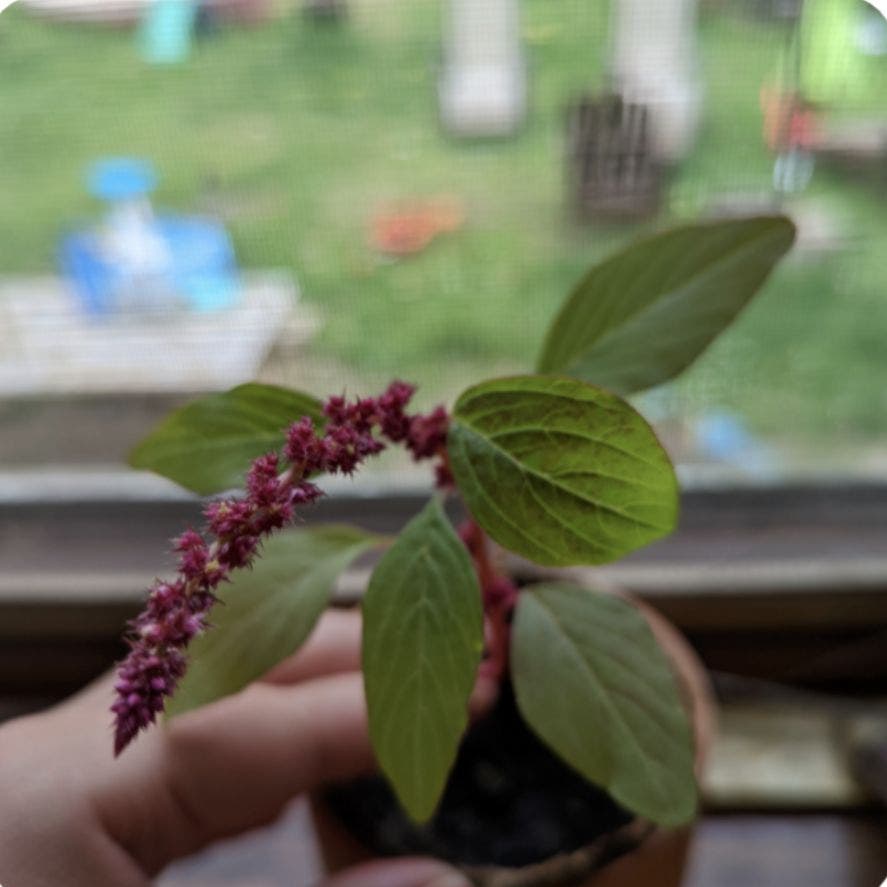
Why Palmer Amaranth is Considered Invasive
Amaranthus palmeri
By the Greg Editorial Team
Nov 26, 2024•7 min read
This article was created with the help of AI so we can cover more plants for you. May contain errors. See one? Report it here.
- 🌱 Palmer Amaranth grows rapidly, outcompeting native plants and disrupting ecosystems.
- 🌾 One plant can produce hundreds of thousands of seeds, enhancing its invasive spread.
- ⚠️ Effective management includes early detection and manual removal before seed set.
Plant Classification
🌱 Definition of Invasive Species and Weeds
Understanding what makes a plant a "weed" or an "invasive species" is crucial for effective management. Weeds are typically unwanted plants that disrupt agricultural or garden settings, while invasive species are non-native plants that spread aggressively, often causing harm to local ecosystems.
Invasive plants possess distinct characteristics that set them apart from non-invasive varieties. They tend to have rapid growth rates, high reproductive capacities, and the ability to thrive in diverse environmental conditions. These traits enable them to outcompete native flora for essential resources like sunlight, water, and nutrients.
📊 Criteria for Classifying Palmer Amaranth as Invasive
Palmer Amaranth is classified as invasive due to its remarkable ability to spread rapidly. This plant can quickly colonize new areas, making it a formidable opponent in any landscape.
Its competitive nature further solidifies its invasive status. Palmer Amaranth aggressively outcompetes native plants, leading to significant ecological impacts. It disrupts local ecosystems and threatens biodiversity by displacing native species that are crucial for maintaining ecological balance.
In summary, Palmer Amaranth's rapid spread, competitive characteristics, and ecological disruption firmly establish it as an invasive species. Understanding these criteria is essential for developing effective management strategies and protecting native ecosystems.
As we delve deeper into the identification of Palmer Amaranth, we will explore its key features and how to distinguish it from similar plants.
Identification
Key Identifying Features 🌿
Palmer Amaranth is a striking plant that can tower up to 10 feet tall. Its broad, green leaves are not only distinctive in shape but also contribute to its robust appearance.
The flower spikes of Palmer Amaranth are another key feature. These spikes are elongated and can vary in color, often presenting a vibrant display that can catch the eye.
Look-Alike Plants and Distinguishing Characteristics 👀
When identifying Palmer Amaranth, it's crucial to recognize its common look-alikes, such as other species within the Amaranthus genus. These plants may share similar characteristics, making identification tricky.
To distinguish Palmer Amaranth from its look-alikes, pay attention to specific traits. For instance, the leaf shape and arrangement can be telling, as well as the structure and color of the flower spikes. Knowing these differences can help prevent confusion and ensure accurate identification.
With a solid grasp of these identifying features, you can better recognize Palmer Amaranth in the wild, setting the stage for effective management and control.
Growth Habits and Spread
Typical Growth Patterns 🌱
Palmer Amaranth exhibits a rapid growth cycle, starting from seedling to mature plant in just a few weeks. Under optimal conditions, it can reach heights of up to 10 feet, thriving in warm weather and well-drained soils.
Environmental Conditions Favoring Growth ☀️
This invasive species flourishes in disturbed areas, such as agricultural fields and roadsides. It prefers full sunlight and can tolerate a range of soil types, making it a formidable competitor in various environments.
Reproductive Strategies and Seed Production 🌾
One of the most alarming traits of Palmer Amaranth is its prolific seed production. A single plant can generate hundreds of thousands of seeds, ensuring its survival and spread.
Seed Dispersal Mechanisms 🌬️
Seeds are dispersed through multiple channels, including wind, water, and animal transport. This adaptability allows Palmer Amaranth to colonize new areas quickly and efficiently.
Mechanisms of Spread in Various Environments 🌍
Palmer Amaranth's ability to thrive in diverse soil types and climates contributes to its invasive nature. Agricultural practices, such as tilling and monoculture, often exacerbate its spread, creating ideal conditions for this resilient weed.
Understanding these growth habits and spread mechanisms is crucial for effective management and control of Palmer Amaranth. By recognizing its patterns, we can better prepare for the challenges it poses to ecosystems and agriculture.
Ecological and Economic Impact
🌱 Effects on Native Plant Communities
Palmer Amaranth poses a significant threat to native plant communities by competing aggressively for sunlight, nutrients, and water. This competition often leads to the displacement of native flora, resulting in altered local ecosystems that struggle to maintain their biodiversity.
The rapid growth and high reproductive capacity of Palmer Amaranth can drastically change the landscape, pushing out native species that are crucial for ecosystem balance. As these native plants decline, the entire ecosystem can suffer, impacting everything from soil health to local wildlife that depend on these plants for habitat and food.
💸 Economic Losses Associated with Palmer Amaranth
The economic impact of Palmer Amaranth on agriculture and land management is profound. Farmers face increased costs due to the need for more intensive management practices to control this invasive species, which can lead to significant financial losses.
In addition to direct control costs, the presence of Palmer Amaranth can reduce crop yields, further straining farmers' profitability. The cumulative effect of these challenges makes it essential for land managers and agricultural producers to implement effective strategies to combat this invasive threat.
Understanding the ecological and economic ramifications of Palmer Amaranth is crucial for developing effective management plans. By addressing these impacts, we can work towards preserving native ecosystems and supporting agricultural sustainability.
Control and Management
🌱 Manual Removal Techniques and Best Practices
To effectively manage Palmer Amaranth, start by identifying mature plants. These are typically the tallest and most developed specimens, making them easier to spot.
The best time for manual removal is before seed set. This timing is crucial to prevent further spread, as a single plant can produce hundreds of thousands of seeds.
When uprooting, use a shovel or hoe to ensure you remove the entire root system. Proper disposal is also essential; bagging and disposing of the plants in a landfill can prevent them from re-establishing.
🧪 Overview of Chemical Control Options
Chemical control can be an effective strategy against Palmer Amaranth. Several herbicides, such as glyphosate and dicamba, have shown effectiveness in managing this invasive species.
Timing is key for chemical applications. Apply herbicides during the early growth stages of the plant for optimal effectiveness, and follow label instructions for the best results.
🚫 Preventive Measures to Limit the Spread
Preventing the introduction and spread of Palmer Amaranth requires proactive land management. Regular monitoring of fields and gardens can help catch new infestations early.
Maintaining healthy native plant communities is also vital. Diverse ecosystems are more resilient and can outcompete invasive species like Palmer Amaranth.
🔍 Importance of Early Detection and Rapid Response
Early detection is crucial in managing Palmer Amaranth. Implement monitoring strategies, such as regular site inspections, to identify any new growth promptly.
Upon discovery, take immediate action to mitigate spread. This could involve manual removal or applying herbicides, depending on the situation.
By staying vigilant and responsive, you can help protect local ecosystems from the invasive threat of Palmer Amaranth. This proactive approach not only benefits the environment but also supports agricultural health and biodiversity.
Legal Status and Potential Uses
Overview of Laws and Regulations 🌍
Palmer Amaranth is classified as an invasive species under various federal and state regulations. These laws aim to control its spread and mitigate its ecological impact.
In the U.S., the Federal Noxious Weed Act provides a framework for managing invasive plants, including Palmer Amaranth. Many states have enacted their own regulations, often requiring landowners to control its growth on their properties.
Historical and Current Beneficial Uses 📜
Historically, Palmer Amaranth has been used in various cultures for its edible leaves and seeds. In some regions, it served as a food source, contributing to local diets.
However, its modern applications are limited and often overshadowed by its negative impacts. While it may have some traditional uses, the overwhelming ecological and economic challenges it poses make its benefits seem minor in comparison.
Understanding both the legal context and the historical uses of Palmer Amaranth helps frame the conversation around its management and control. As we delve deeper into its ecological and economic impacts, we can better appreciate the need for effective strategies to combat this invasive species.
⚠️ Safety First
This content is for general information and may contain errors, omissions, or outdated details. It is not medical, veterinary advice, or an endorsement of therapeutic claims.
Always consult a qualified healthcare professional before using any plant as food, medicine, or supplement.
Never eat any plant (or feed one to pets) without confirming its identity with at least two trusted sources.
If you suspect poisoning, call Poison Control (800) 222-1222, the Pet Poison Helpline (800) 213-6680, or your local emergency service immediately.
Spotted an error? Please report it here.
Stay vigilant against invasive threats 🌱 like Palmer Amaranth by using Greg's plant identification to manage and protect your garden effectively!