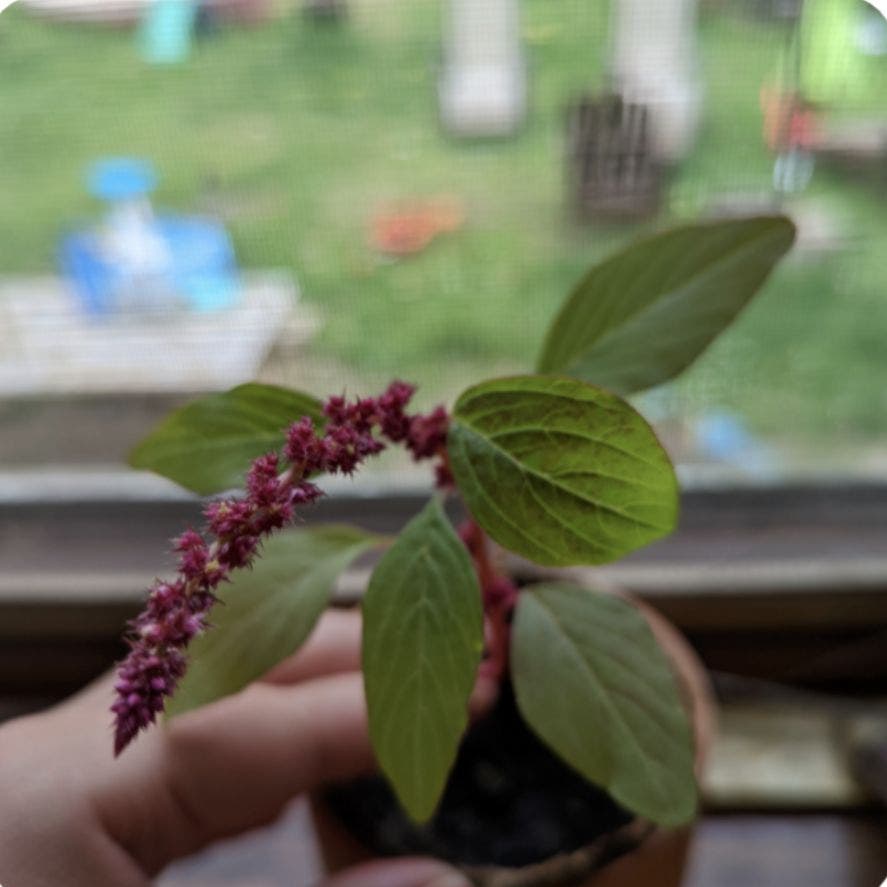
Why Is My Palmer Amaranth Dropping Leaves?
Amaranthus palmeri
By the Greg Editorial Team
Feb 02, 2024•4 min read
This article was created with the help of AI so we can cover more plants for you. May contain errors. See one? Report it here.
- Yellowing and dropping leaves signal Palmer Amaranth health issues.
- Nutrient imbalances and improper watering are key culprits.
- Regular inspections and balanced care prevent and address leaf drop.
Spotting the Red Flags: Symptoms of Leaf Drop
🍂 Visual Symptoms
Yellowing leaves on your Palmer Amaranth are the plant's SOS—a clear signal that all is not well. Brown tips are the equivalent of a plant crying out in discomfort. If you notice leaves that seem to have given up the ghost, appearing more lifeless than your enthusiasm on a Monday, it's time to take action.
🕵️ Beyond the Leaves
But it's not just about the leaves. Stem discoloration or a general look of malaise in the plant can be indicative of a deeper issue. Flip those leaves; check the undersides for secretive spots or unusual patterns. These hidden signs can be the early warnings of a more serious condition.
🚩 Recognizing Related Symptoms
Leggy growth or leaves that drop at the slightest touch are like red flags at a bullfight, demanding immediate attention. Limp or wrinkled leaves? Your plant might be thirstier than a marathon runner at the finish line. Consistency in these symptoms, or lack thereof, can help differentiate between a minor hiccup and a full-scale plant health emergency.
🌿 Integrated Symptoms Analysis
Remember, a holistic approach is key. Don't get tunnel vision on the leaves alone. Consider the entire plant's health—from stem to soil. Early detection is your best defense, turning you into the Sherlock Holmes of plant care, deducing the cause of leaf drop before it becomes a botanical crime scene.
Rooting Out the Causes
🌱 Nutrient Imbalances
Nutrient deficiencies in Palmer Amaranth manifest through yellowing leaves that eventually give up the ghost. It's like your plant is waving a white flag, signaling surrender due to a lack of nutritional firepower. A balanced fertilizer is the peace treaty that can end this foliage fallout.
💧 Thirsty or Drowning?
Palmer Amaranth's watering needs are Goldilocks-specific—not too much, not too little. Overwatering leads to soggy roots and leaf drop, while underwatering turns leaves into crispy critters. The solution? Aim for soil moisture that's just right—think moist sponge, not sopping wet.
🐜 Unwanted Guests
Pests are the uninvited guests at the banquet of your Palmer Amaranth, feasting on its vitality. Spider mites, aphids, and mealybugs can turn a lush plant into a leaf-dropping disaster zone. Regular leaf inspections are your bouncer at the door, keeping these freeloaders out.
🤒 Sickly Plants
Diseases like bacterial leaf spot and fungal infections throw a wrench in the works, causing leaves to spot, brown, and bail. Black or brown spots on leaves are the tell-tale signs of these party poopers. Watering at the plant's base can keep the foliage dry and less inviting to these microbial gate-crashers.
Turning Over a New Leaf: Solutions and Treatments
💡 Feeding Your Plant Right
Nutrient deficiencies can turn your Palmer Amaranth into a leaf-dropping mess. Balance is key. Use a fertilizer that's like a multivitamin for your plant—enough to boost health without causing a nutrient burn. Always water the soil before adding fertilizer to protect the roots.
🚰 Watering Wisdom
Overwatering is a no-go. It's like giving your plant a bath when it just needs a sip. Conversely, underwatering is like sending it on a forced march through the Sahara. Find that sweet spot—consistent moisture without waterlogging. Consider a self-watering pot or a water meter for precision.
🛡️ Pest Control Tactics
Pests are like uninvited guests at a party—they ruin the vibe. Regularly check for freeloaders like spider mites and aphids. If you spot them, it's time for pest control. Go for eco-friendly options when possible, but don't shy away from stronger measures if needed. Keep your plant's leaves clean to avoid giving pests a playground.
🌡️ Battling Plant Diseases
Fungal diseases are the silent assassins of the plant world. Prevention is your best weapon. Ensure good air circulation and remove any infected leaves pronto. If you're past the point of no return, fungicides might be your Hail Mary—just follow the instructions like your plant's life depends on it (because it does).
Proactive Measures: Keeping Leaves Lush
🌱 Soil and Plant Health Checks
Regular soil testing is like a check-up for your plant; it reveals what's missing or excessive in your soil's nutrient profile. Plant inspections should be as routine as brushing your teeth—catching issues early is half the battle won.
Integrated Care Approach
Cultural strategies involve choosing the right location for your plant and ensuring proper soil composition. Biological tactics mean encouraging beneficial insects and microorganisms that support plant health. And sometimes, you have to bring out the chemicals—like a judiciously used pesticide—to nip problems in the bud.
⚠️ Safety First
This content is for general information and may contain errors, omissions, or outdated details. It is not medical, veterinary advice, or an endorsement of therapeutic claims.
Always consult a qualified healthcare professional before using any plant as food, medicine, or supplement.
Never eat any plant (or feed one to pets) without confirming its identity with at least two trusted sources.
If you suspect poisoning, call Poison Control (800) 222-1222, the Pet Poison Helpline (800) 213-6680, or your local emergency service immediately.
Spotted an error? Please report it here.
Combat leaf drop and boost 🚀 your Palmer Amaranth's health with Greg's tailored watering schedules and community-driven troubleshooting.