What Do Palmer Amaranth Flowers Mean?
Amaranthus palmeri
By the Greg Editorial Team
Feb 02, 2024•5 min read
This article was created with the help of AI so we can cover more plants for you. May contain errors. See one? Report it here.
- Light and temperature are key to Palmer Amaranth's flowering.
- Stress can trigger blooms; know when to manipulate conditions.
- Nutrients and timing are crucial for a blooming Palmer Amaranth.
When Palmer Amaranth Decides to Bloom
🌸 Recognizing the Flowering Stage
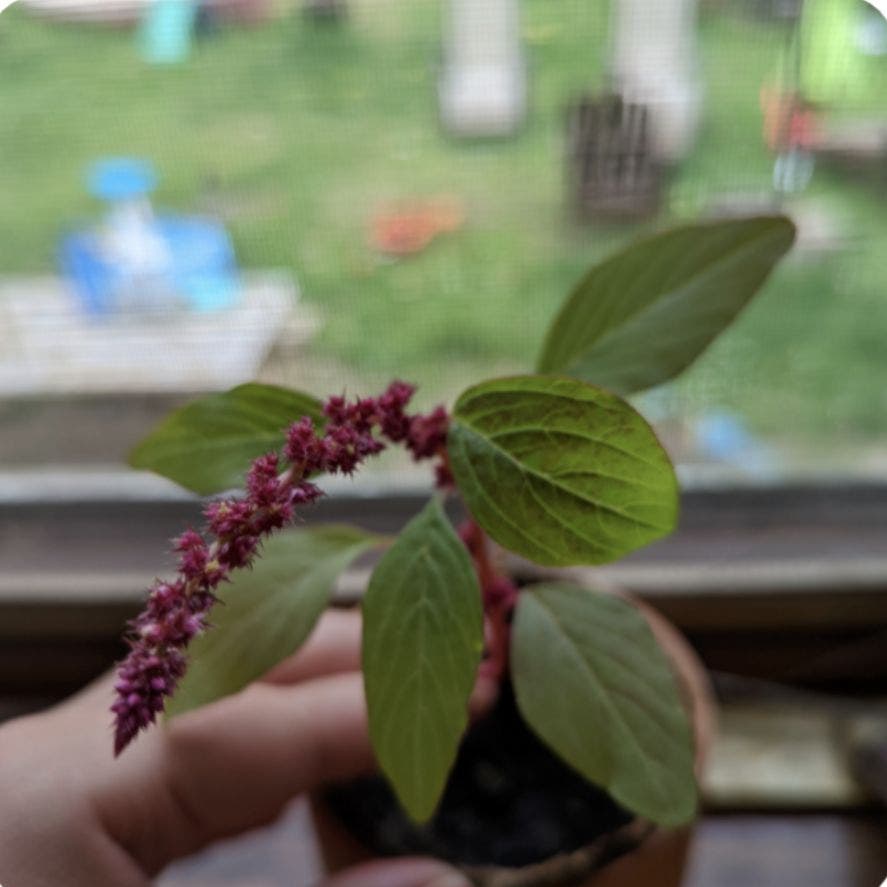
Spotting the flowering stage of Palmer Amaranth is straightforward once you know what to look for. Female plants reveal their intentions with inflorescences that feel gritty due to tiny, black seeds. This is your cue that blooming is imminent.
Palmer Amaranth's timing is a bit of a diva, choosing to bloom throughout the growing season. This unpredictability can make your weed management feel like a game of whack-a-mole.
🌼 What Triggers Flowering?
Light and temperature are the main stage managers for Palmer Amaranth's flowering show. These plants are sun worshippers, thriving in warmth, with emergence observed at soil temperatures as low as 65°F. However, they really hit their stride when the heat cranks up.
Stress can also be a bloom trigger. Like a plant version of a stress-eating human, Palmer Amaranth might flower when conditions get tough. Think of it as the plant's last-ditch effort to reproduce before the curtain falls.
Getting Your Palmer Amaranth to Flower
💡 Light Exposure and Day Length
Manipulating light exposure is key to encouraging your Palmer Amaranth to flower. These plants respond well to changes in day length, so you'll want to adjust light schedules accordingly. For indoor growth, artificial light can substitute for natural sunlight, ensuring your plant gets the cues it needs to enter the blooming phase.
🌡️ Temperature Tweaks for Optimal Blooming
Palmer Amaranth thrives in warmth, with an optimal temperature range for flowering between 65°F and 86°F. To coax your plant into blooming, maintain indoor temperatures within this range. Cooler nights can enhance flower quality, but avoid drastic temperature drops to prevent stress.
Feeding Your Plant for Fabulous Flowers
💪 The Right Nutrients for Flowering
To ignite the flowering process in Palmer Amaranth, a balanced diet of nutrients is non-negotiable. Think of fertilizers as the plant's protein shake, offering a steady stream of nutrients. A water-soluble type that covers all bases is ideal, or go organic with manure or bonemeal for a slow-release buffet. And don't overlook the power of compost; it's not just old food scraps but a nutrient-rich goldmine.
🌱 Fertilization Tips for Enhancing Flower Production
Timing is everything. Feed during the growing season but let your plant rest in the winter. It's their downtime, a chance to chill before the next blooming cycle. Overdoing it with nitrogen can lead to lush leaves at the expense of flowers, so ease off the nitrogen throttle as blooming approaches. And always, always, avoid the temptation to unleash a flood of fertilizers in panic mode—it's a marathon, not a sprint.
🌿 Soil Preparation for Flowering
Don't forget the leaves. A foliar application can be a quick-fix for nutrient deficiencies, delivering a direct hit of essentials to your plant's green machinery.
🌼 Nutritional Support for Flowering
Potassium is the secret sauce for flowering; it's like a plant multivitamin that encourages those blooms to pop. But don't forget the rest of the nutrient crew—nitrogen, phosphorus, and essential trace elements are all part of the gang. Balance is key with fertilization. Too much nitrogen promotes leaf growth at the expense of flowers. Opt for a phosphorus-rich fertilizer to encourage blooming.
Troubleshooting Flowering Issues
🌞 Common Flowering Problems and Solutions
💡 Light: The Make-or-Break Factor
Light is crucial for Palmer Amaranth flowering. If your plant is stuck in a vegetative state, reassess its exposure. Too little light can leave it listless, while too much can stunt its growth. Strike a balance with bright, indirect light to coax out those blooms.
🚰 Watering: A Delicate Balance
Overwatering is a common misstep that invites root rot, while underwatering can leave your plant dehydrated. Aim for moist, well-draining soil; it's a sweet spot that promotes healthy flowering without waterlogging the roots.
🍽️ Nutrients: The Flower Fuel
Palmer Amaranth's flowering can be bolstered by the right nutrients. A lack of blooms might signal a need for a fertilization boost. Opt for a balanced fertilizer and apply it judiciously to avoid overfeeding, which can be just as detrimental as neglect.
🌡️ Temperature: The Comfort Zone
Temperature plays a pivotal role. Too hot or too cold, and Palmer Amaranth may refuse to flower. Maintain a consistent, plant-friendly temperature range to avoid sending your plant into survival mode instead of bloom mode.
🐜 Pests and Diseases: Uninvited Guests
Keep an eye out for pests and diseases. These intruders can drain your plant's resources, diverting energy away from flowering. Regular inspections and prompt interventions can keep these nuisances from derailing the blooming process.
🏜️ Environmental Stress: The Silent Saboteur
Environmental stress can be a subtle yet powerful deterrent to flowering. Whether it's a sudden change in conditions or ongoing suboptimal care, plants under stress may not flower. Monitor your plant's environment and make gradual adjustments as needed.
👩🌾 Patience: The Virtue of the Grower
Sometimes, despite all efforts, plants take their time to bloom. Patience is key. Allow your Palmer Amaranth to mature at its own pace, and remember that not all plants adhere to our schedules.
When to Seek Help
If you've addressed the common issues and your Palmer Amaranth still won't flower, it might be time to seek expert advice. Persistent problems could indicate a more serious underlying issue that requires professional diagnosis and treatment.
⚠️ Safety First
This content is for general information and may contain errors, omissions, or outdated details. It is not medical, veterinary advice, or an endorsement of therapeutic claims.
Always consult a qualified healthcare professional before using any plant as food, medicine, or supplement.
Never eat any plant (or feed one to pets) without confirming its identity with at least two trusted sources.
If you suspect poisoning, call Poison Control (800) 222-1222, the Pet Poison Helpline (800) 213-6680, or your local emergency service immediately.
Spotted an error? Please report it here.
Experience the joy of Palmer Amaranth in bloom 🌼 with Greg's tailored care reminders for the perfect balance of light and nutrients.