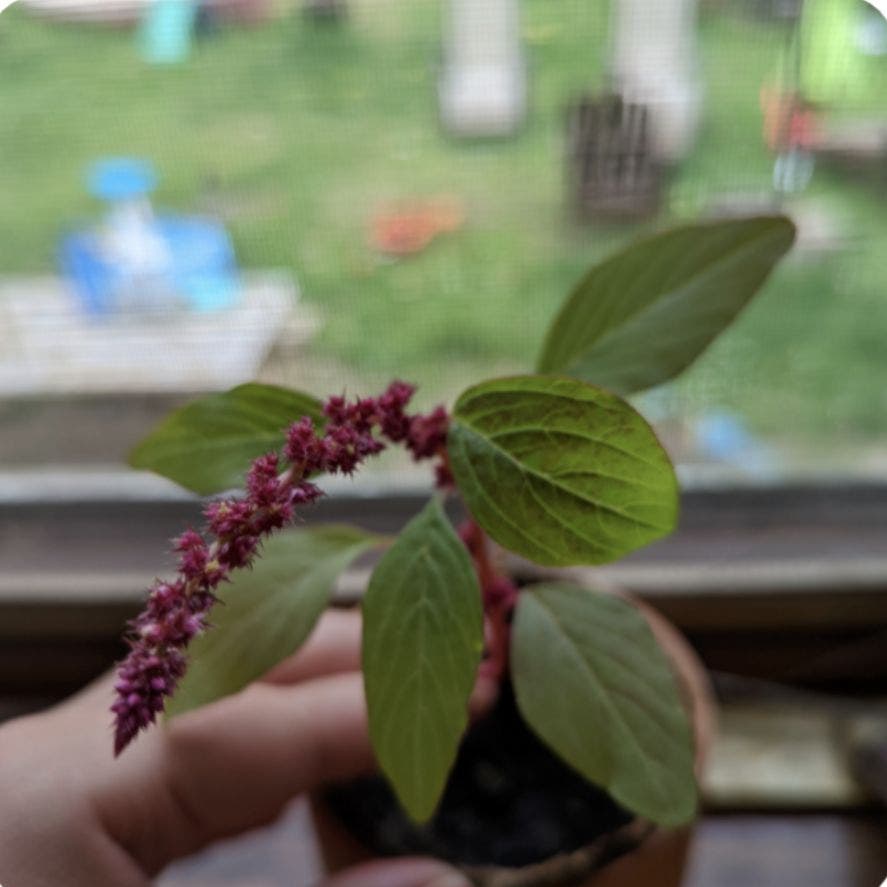
Palmer Amaranth Hardiness Zones Ultimate Guide: 5a-10b
Amaranthus palmeri
By the Greg Editorial Team
Nov 26, 2024•6 min read
This article was created with the help of AI so we can cover more plants for you. May contain errors. See one? Report it here.
- 🌡️ Palmer Amaranth thrives in zones 5a-10b, preferring warm temperatures between 70°F-95°F.
- 💧 Drought-resistant yet moisture-sensitive, it needs consistent water during critical growth phases.
- 🌍 Microclimates can enhance growth, allowing cultivation beyond typical hardiness zones.
Temperature Tolerance of Palmer Amaranth
❄️ Cold Tolerance
Palmer Amaranth exhibits a moderate level of cold tolerance, allowing it to withstand cooler temperatures. However, it is sensitive to frost, with specific temperature thresholds around 32°F (0°C) marking the danger zone for frost damage.
The timing of the first and last frost dates significantly impacts its growth cycle. Early frosts can stunt development, while late frosts may extend the growing season, allowing for better yields.
🔥 Heat Tolerance
This resilient plant thrives in warm climates, showcasing impressive heat tolerance. Ideal temperature ranges for optimal growth typically fall between 70°F and 95°F (21°C to 35°C).
Drought resistance is another key feature of Palmer Amaranth, enabling it to endure periods of low water availability. This trait is closely linked to its heat tolerance, making it a suitable choice for regions prone to high temperatures and limited rainfall.
🌡️ Specific Temperature Ranges for Optimal Growth
For Palmer Amaranth to flourish, maintaining temperatures between 70°F and 95°F is crucial. Deviations from this range can lead to stress, affecting overall plant health and growth rates.
Temperature fluctuations can also impact growth consistency. Therefore, establishing a stable environment is essential for successful cultivation, ensuring the plant reaches its full potential.
Understanding these temperature tolerances is vital for growers aiming to maximize their harvests. With the right conditions, Palmer Amaranth can thrive, setting the stage for its ideal growing regions.
Ideal Growing Regions for Palmer Amaranth
🌍 Suitable US States in Hardiness Zones (5a-10b)
Palmer Amaranth thrives in a variety of states that fall within hardiness zones 5a to 10b. Here’s a quick look at some of the most suitable states:
- Texas: Known for its warm climate, Texas offers ample sunlight and long growing seasons, particularly in the southern regions.
- California: With its diverse climates, California provides ideal conditions, especially in the Central Valley where temperatures are consistently warm.
- Florida: The warm, humid climate of Florida supports year-round growth, making it a prime location for Palmer Amaranth.
- Georgia: This state boasts a mild climate with plenty of rainfall, perfect for cultivating this resilient plant.
- North Carolina: The warm summers and fertile soils in North Carolina create an excellent environment for Palmer Amaranth.
These states not only provide the right temperature ranges but also have specific regions that excel in growing conditions. For instance, the Rio Grande Valley in Texas and the San Joaquin Valley in California are particularly notable for their suitability.
🌱 Factors Contributing to Ideal Growing Conditions
To successfully cultivate Palmer Amaranth, several factors come into play.
Soil Preferences
Palmer Amaranth flourishes in well-drained, fertile soils. These conditions allow for optimal root development and nutrient uptake, essential for healthy growth.
Climate Considerations
Warm temperatures and adequate sunlight are crucial for the plant's development. Ideally, Palmer Amaranth prefers a climate that consistently provides these elements throughout the growing season.
Water Availability
Water availability significantly impacts growth. While Palmer Amaranth is drought-resistant, consistent moisture during critical growth phases can enhance yield and overall plant health.
Understanding these factors can help gardeners and farmers create the best possible conditions for growing Palmer Amaranth, ensuring a successful harvest. As we move forward, let's explore how microclimates can further influence these ideal growing regions.
Microclimates and Their Impact
🌍 Definition and Importance of Microclimates
Microclimates are localized climate zones that differ from the surrounding area. They can significantly influence gardening and agriculture by creating unique conditions that may not align with broader climate classifications.
Understanding microclimates is essential for successful cultivation. They can provide warmer or cooler temperatures, varying humidity levels, and different sunlight exposure, all of which can impact plant growth.
🌱 How Microclimates Affect Growing Zones
Microclimates can create ideal conditions for Palmer Amaranth, allowing it to thrive even in less-than-ideal hardiness zones. Factors such as elevation, proximity to water bodies, and urban heat islands can all contribute to the development of these localized climates.
For example, areas near lakes or rivers often experience milder temperatures due to the water's moderating effect. Similarly, elevated regions may have cooler temperatures but can also benefit from increased sunlight exposure.
📊 Case Studies of Microclimates Affecting Growth
Certain regions have demonstrated how microclimates can enable successful cultivation of Palmer Amaranth outside typical growing zones. For instance, urban gardens in cities like San Francisco leverage the warmth generated by buildings, allowing for extended growing seasons.
However, microclimates can also pose challenges. Unexpected frost in the spring or fall can catch gardeners off guard, highlighting the need for vigilance and adaptability in these unique environments.
Understanding microclimates is crucial for optimizing growth conditions and mitigating risks associated with temperature fluctuations. As we explore state-level suitability for Palmer Amaranth, these localized factors will play a significant role in determining where this resilient plant can flourish.
State-Level Suitability Analysis
🌱 Suitable US States for Palmer Amaranth
Palmer Amaranth thrives in various states across the U.S., particularly those within hardiness zones 5a to 10b. Here’s a quick overview of some states where this resilient plant flourishes:
- Texas: With its warm climate and long growing season, Texas offers ideal conditions for Palmer Amaranth, especially in the southern regions.
- California: The diverse climates across California, particularly in the Central Valley, provide excellent growing conditions.
- Florida: Known for its warm temperatures and ample sunlight, Florida is a prime location for cultivating Palmer Amaranth year-round.
- Georgia: The warm, humid climate in Georgia supports robust growth, making it a suitable state for this plant.
- North Carolina: With fertile soils and a favorable climate, North Carolina is another excellent choice for Palmer Amaranth cultivation.
These states not only provide the right temperatures but also have the necessary soil conditions and rainfall patterns to support healthy growth.
🚫 Unsuitable US States and Reasons
While many states are suitable for Palmer Amaranth, several fall outside the 5a-10b hardiness range. Here are some states where growing this plant may prove challenging:
- Maine: The cold winters and short growing season make it difficult for Palmer Amaranth to thrive.
- North Dakota: Harsh winters and extreme temperature fluctuations hinder successful cultivation.
- Montana: The cooler climate and shorter growing season limit the plant's growth potential.
- Alaska: The extreme cold and limited sunlight during certain months create unsuitable conditions for Palmer Amaranth.
These states face climatic challenges, such as prolonged frost periods and insufficient warmth, which prevent the plant from establishing and growing effectively.
🌦️ Regional Climate Variations and Their Effects
Even within suitable states, regional climate variations can significantly impact Palmer Amaranth growth. For instance, coastal areas may experience milder temperatures compared to inland regions, affecting growth rates.
Local weather patterns, such as rainfall distribution and temperature extremes, also play a crucial role. In some areas, heavy rainfall can lead to waterlogged soils, while in others, drought conditions may prevail, stressing the plant.
Additionally, soil types vary widely across regions. Well-drained, fertile soils are ideal, but areas with heavy clay or sandy soils may struggle to support healthy Palmer Amaranth growth. Understanding these regional differences is essential for successful cultivation.
As we explore the ideal growing conditions for Palmer Amaranth, it’s vital to consider how microclimates can further influence its success.
⚠️ Safety First
This content is for general information and may contain errors, omissions, or outdated details. It is not medical, veterinary advice, or an endorsement of therapeutic claims.
Always consult a qualified healthcare professional before using any plant as food, medicine, or supplement.
Never eat any plant (or feed one to pets) without confirming its identity with at least two trusted sources.
If you suspect poisoning, call Poison Control (800) 222-1222, the Pet Poison Helpline (800) 213-6680, or your local emergency service immediately.
Spotted an error? Please report it here.
Grow thriving Palmer Amaranth 🌱 by using Greg's tailored watering reminders and care tips to create the perfect environment for your plants!