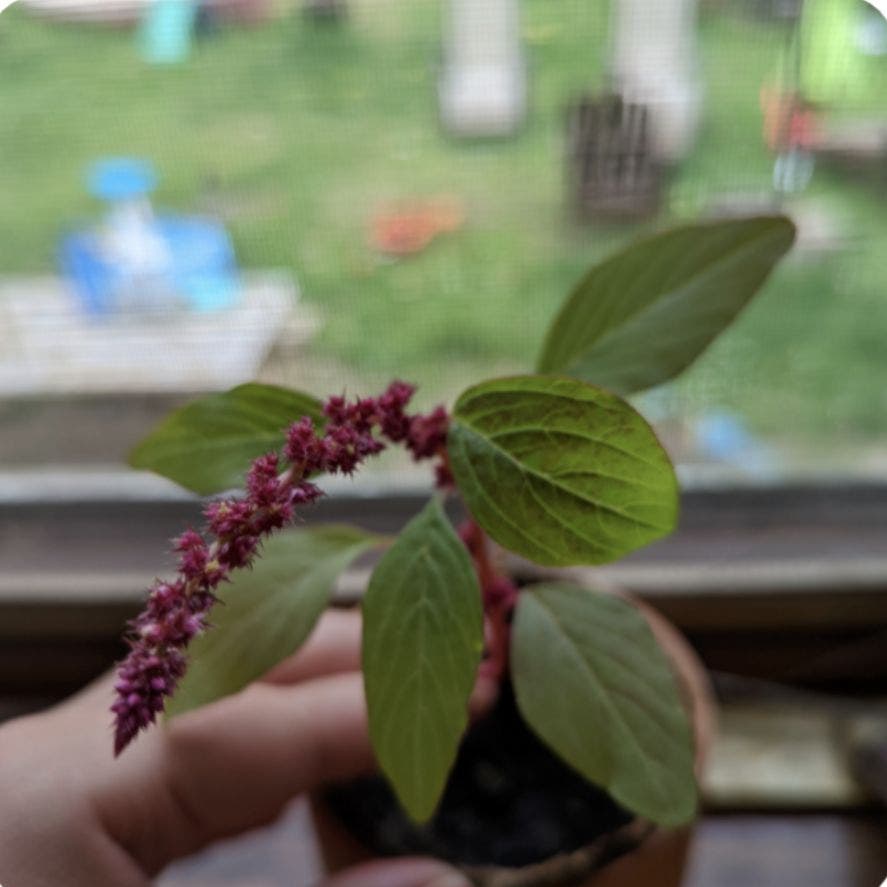
Palmer Amaranth: Not a Perennial Plant
Amaranthus palmeri
By the Greg Editorial Team
Nov 26, 2024•5 min read
This article was created with the help of AI so we can cover more plants for you. May contain errors. See one? Report it here.
- 🌱 Palmer Amaranth is an annual, germinating in 5-10 days and thriving in one season.
- 🌼 It produces thousands of seeds, creating the illusion of regrowth but not true perennial behavior.
- 🌞 Maximize growth by planting in late spring with well-drained soil and full sunlight.
Lifecycle Characteristics
🌱 Single-Season Lifecycle
Palmer Amaranth is a fascinating annual plant with a clear single-season lifecycle. Under optimal conditions, germination occurs within 5-10 days, setting the stage for rapid growth.
Once germinated, this plant reaches its full height in about 60-90 days. This swift progression allows it to thrive in various environments, making it a resilient choice for gardeners.
🚀 Rapid Growth and Flowering Patterns
One of the standout features of Palmer Amaranth is its impressive growth rate. It can soar to heights of 3-10 feet in just one season, showcasing its vigorous nature.
Typically, flowering occurs from mid to late summer, marking a critical phase in its lifecycle. During this time, a single plant can produce thousands of seeds, ensuring its survival and spread.
🌿 Inability to Regrow from Roots
Unlike perennials, Palmer Amaranth does not have the ability to regrow from its roots. Its root system is relatively shallow and does not store energy for future growth.
This characteristic sets it apart from perennial plants, which can thrive year after year by regrowing from established roots. Understanding this difference is crucial for effective gardening and managing this species.
With a clear grasp of Palmer Amaranth's lifecycle, we can now explore the implications of its annual nature.
Implications of Annual Nature
🌱 Comparison with Perennial Plants
Understanding the differences between annuals and perennials is crucial for gardeners. Annuals, like Palmer Amaranth, complete their lifecycle in a single season, while perennials can live for several years, returning each spring.
This distinction affects how each type of plant behaves throughout the year. Annuals grow, flower, and die within a few months, whereas perennials establish roots that allow them to regrow year after year.
⏳ Lifespan and Growth Cycle Differences
The lifecycle of Palmer Amaranth is a whirlwind of activity. It germinates, grows, and produces seeds all within one season, typically wrapping up its lifecycle in just a few months.
This rapid growth cycle has significant implications for garden design and planning. Gardeners can take advantage of the quick turnover of annuals to create dynamic, changing landscapes, allowing for multiple crops or seasonal displays in a single growing season.
By understanding these differences, you can make informed decisions about what to plant and when, maximizing the potential of your garden space.
Common Misconceptions
Addressing the Belief that Palmer Amaranth is a Perennial 🌱
Many gardeners mistakenly believe that Palmer Amaranth is a perennial plant. This confusion often arises from its vigorous growth and ability to thrive in various conditions.
Understanding that Palmer Amaranth is an annual is crucial for effective gardening. Recognizing its lifecycle helps gardeners plan better and manage their gardens more efficiently.
Clarifying Self-Seeding Behavior 🌼
Self-seeding is a common trait among many annual plants, including Palmer Amaranth. This means that the plant can produce seeds that germinate in the following season, giving the illusion of being a perennial.
In some cases, Palmer Amaranth may seem to regrow year after year due to its prolific self-seeding. However, it’s essential to remember that each new plant is a result of seeds from the previous season, not regrowth from roots.
Understanding these misconceptions can significantly enhance your gardening strategy. With the right knowledge, you can effectively manage Palmer Amaranth and enjoy its benefits in your garden.
Advantages of Being an Annual
🌱 Quick Maturity Benefits for Gardeners
One of the standout advantages of Palmer Amaranth being an annual plant is its rapid growth cycle. From planting to harvest, you can expect a quick turnaround, allowing for a rewarding gardening experience.
This swift maturity means you can enjoy multiple crops within a single season. Imagine reaping the benefits of fresh produce or vibrant blooms several times a year!
🎨 Flexibility in Garden Planning and Design
Incorporating annuals like Palmer Amaranth into your garden layout offers incredible flexibility. You can easily adapt your seasonal designs to showcase these plants, ensuring your garden remains dynamic and visually appealing.
Additionally, rotating annuals contributes to soil health and pest management. This practice not only enriches the soil but also disrupts pest cycles, leading to a healthier garden overall.
As you explore the advantages of Palmer Amaranth, consider how these traits can enhance your gardening strategy. The next section will delve into effective strategies for maximizing growth throughout the season.
Strategies for Enjoying Palmer Amaranth
🌱 Tips for Maximizing Growth Throughout the Season
To get the most out of your Palmer Amaranth, timing is everything. Plant your seeds in late spring after the last frost, as this is when the soil warms up and encourages rapid germination.
Optimal conditions include well-drained soil and full sunlight. Aim for a pH between 6.0 and 7.0 to ensure your plants thrive.
Watering is crucial, especially during dry spells. Keep the soil consistently moist but not waterlogged to promote healthy growth.
Nutrient requirements are also key. A balanced fertilizer can help boost growth, particularly during the early stages when the plants are establishing themselves.
🌼 Incorporating with Perennials in Gardens
Companion planting can enhance the growth of Palmer Amaranth while benefiting your garden as a whole. Pair it with perennials like sunflowers or zinnias, which can provide structural support and attract beneficial insects.
Designing your garden layout to blend annuals and perennials creates visual interest. Consider alternating rows or clusters to maximize both aesthetics and functionality.
Rotating your annuals each season can improve soil health and reduce pest issues. This strategy not only keeps your garden vibrant but also ensures that your plants remain productive year after year.
By understanding how to maximize growth and effectively incorporate Palmer Amaranth with perennials, you can create a thriving garden that showcases the beauty and benefits of this remarkable annual.
⚠️ Safety First
This content is for general information and may contain errors, omissions, or outdated details. It is not medical, veterinary advice, or an endorsement of therapeutic claims.
Always consult a qualified healthcare professional before using any plant as food, medicine, or supplement.
Never eat any plant (or feed one to pets) without confirming its identity with at least two trusted sources.
If you suspect poisoning, call Poison Control (800) 222-1222, the Pet Poison Helpline (800) 213-6680, or your local emergency service immediately.
Spotted an error? Please report it here.
Unlock the full potential of your garden with Palmer Amaranth's rapid growth 🌱 by using Greg's tailored care tips to create a thriving, dynamic space that maximizes your harvests!