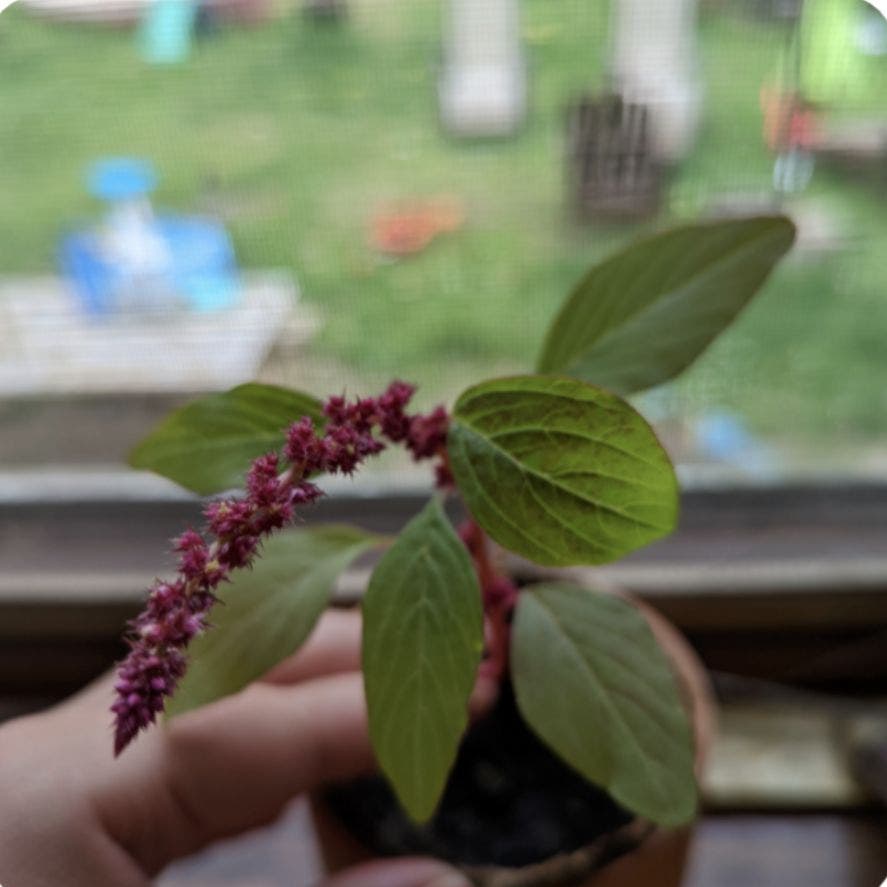
7 Factors Affecting Palmer Amaranth Flowering 🌸
Amaranthus palmeri
By the Greg Editorial Team
Nov 26, 2024•6 min read
This article was created with the help of AI so we can cover more plants for you. May contain errors. See one? Report it here.
- 🌞 Palmer Amaranth needs 6-8 hours of sunlight daily for optimal blooming.
- 💧 Consistent watering prevents premature flower drop and supports healthy growth.
- 🌱 Regular soil tests identify nutrient deficiencies crucial for vibrant flowering.
Failure to Bloom
🌱 Potential Causes and Remedies
When Palmer Amaranth fails to bloom, it can be frustrating for any gardener. Understanding the potential causes is the first step toward remedying the situation.
Insufficient Light
One of the primary reasons for a lack of flowering is insufficient light. Palmer Amaranth thrives on 6 to 8 hours of direct sunlight daily. If your plants are shaded by taller crops or structures, consider relocating them or trimming back surrounding foliage.
Nutrient Deficiencies
Nutrient deficiencies can also hinder blooming. Key nutrients like nitrogen, phosphorus, and potassium are vital for healthy flower development. Conducting a soil test can help identify any deficiencies and guide your fertilization strategy.
Environmental Stress
Environmental stressors, such as extreme temperatures or inconsistent watering, can disrupt the flowering process. Monitoring weather conditions and maintaining consistent moisture levels can alleviate some of this stress.
🌼 Remedies
To ensure your Palmer Amaranth blooms beautifully, take proactive measures.
Ensure Adequate Sunlight
Make sure your plants receive the necessary sunlight. If they’re not getting enough, consider adjusting their location or using reflective materials to enhance light exposure.
Conduct Soil Tests
Regular soil testing is crucial. This will help you understand the nutrient levels in your soil and allow you to amend it accordingly.
Monitor Environmental Conditions
Keep an eye on environmental factors. Use mulch to help retain soil moisture and protect your plants from temperature fluctuations.
By addressing these potential causes, you can significantly improve the chances of your Palmer Amaranth blooming successfully. With the right care and attention, your plants can flourish and produce vibrant flowers.
Next, let’s explore the issue of premature flower drop and how to identify and prevent it effectively.
Premature Flower Drop
🕵️♂️ Identification and Prevention Strategies
Premature flower drop in Palmer Amaranth can be frustrating. This phenomenon occurs when flowers fall off before reaching full maturity, often triggered by various stress factors.
👀 Recognizing the Signs
To identify premature flower drop, look for flowers that detach from the plant while still immature. This can indicate underlying issues that need to be addressed promptly.
🛡️ Key Prevention Techniques
Consistent Watering: Ensure your plants receive regular and adequate moisture. Fluctuations in water supply can stress the plant, leading to flower drop.
Pest Monitoring: Keep an eye out for pests that may be damaging your plants. Regular inspections can help catch infestations early.
Nutritional Balance: Provide your plants with the right nutrients. A well-balanced diet of essential minerals supports healthy growth and flowering.
📜 Conclusion
By maintaining consistent watering, monitoring for pests, and ensuring proper nutrition, you can significantly reduce the risk of premature flower drop. These proactive steps will help your Palmer Amaranth thrive and produce beautiful blooms. Next, we will explore the causes and corrective measures for abnormal flower development.
Abnormal Flower Development
🌱 Causes of Abnormal Flower Development
Abnormal flower development in Palmer Amaranth can stem from several key factors. Genetic factors play a significant role, as certain plant varieties may be predisposed to irregular flowering patterns.
Environmental stress is another major contributor. Factors like extreme temperatures, drought, or excessive moisture can disrupt normal growth processes. Nutrient imbalances, particularly deficiencies or excesses of essential nutrients, can also lead to abnormal flower formation.
🌼 Corrective Measures for Healthy Flower Development
To promote healthy flower development, adjusting care practices is essential. Start by ensuring your plants receive adequate light exposure, aiming for at least 6-8 hours of sunlight daily.
Nutrient application is equally important. Conduct soil tests to identify any deficiencies and apply the necessary fertilizers, focusing on a balanced mix of nitrogen, phosphorus, and potassium. This will help create an optimal environment for flowering.
Regular monitoring of environmental conditions can also prevent stress. Keep an eye on temperature fluctuations and moisture levels to maintain a stable growing environment.
By implementing these corrective measures, you can significantly enhance the flowering potential of your Palmer Amaranth. This proactive approach not only fosters healthy blooms but also contributes to the overall vitality of your plants.
🔄 Transition to the Next Topic
With a solid understanding of abnormal flower development, let's explore how light and nutritional factors specifically impact flowering in Palmer Amaranth.
Light and Nutritional Impact on Flowering
🌞 Importance of Light and Nutrients
For Palmer Amaranth to thrive and produce beautiful blooms, it needs adequate sunlight—ideally, 6 to 8 hours daily. Without this essential light, flowering can be stunted, leading to disappointing results.
🌱 Key Nutrients for Healthy Blooms
In addition to light, the right nutrients play a pivotal role in flowering. Nitrogen, phosphorus, and potassium are the big three that your plants crave.
- Nitrogen promotes lush foliage, which is vital for photosynthesis.
- Phosphorus supports root development and flower formation.
- Potassium enhances overall plant health and resilience.
⚖️ Balancing Light and Nutrients
Striking the right balance between light and nutrients is crucial. Too little light can lead to nutrient deficiencies, while an excess of nutrients without adequate light can cause imbalances.
🛠️ Practical Tips for Optimal Growth
To ensure your Palmer Amaranth flourishes, consider these practical tips:
- Monitor Sunlight Exposure: Position your plants where they receive ample sunlight.
- Conduct Soil Tests: Regularly check nutrient levels to avoid deficiencies.
- Fertilize Wisely: Use a balanced fertilizer to provide essential nutrients.
By focusing on these aspects, you can significantly enhance the flowering potential of your Palmer Amaranth.
✂️ Transitioning to Pruning Techniques
With a solid understanding of light and nutrients, the next step is to explore how pruning techniques can further impact flowering. Proper pruning not only stimulates growth but also sets the stage for a more vibrant bloom.
Pruning Techniques
🌸 Impact on Flowering
Pruning is a game-changer for Palmer Amaranth. When done correctly, it can stimulate new growth and significantly enhance flowering potential.
✂️ Best Practices for Pruning
To maximize the benefits of pruning, timing is everything. Aim to prune during the early growing season when the plant is just starting to thrive.
- Remove Dead or Damaged Leaves: This not only improves the plant's appearance but also allows it to focus energy on healthy growth.
- Monitor Plant Growth: Keep an eye on how your plant responds post-pruning. Adjust your techniques based on its development.
By implementing these best practices, you'll create an environment where your Palmer Amaranth can flourish. This proactive approach ensures that your plants are not just surviving but thriving, leading to a more vibrant flowering display.
🌼 Conclusion
Incorporating effective pruning techniques into your care routine can make a world of difference. As you nurture your plants, remember that each cut is a step toward a more robust and beautiful bloom.
⚠️ Safety First
This content is for general information and may contain errors, omissions, or outdated details. It is not medical, veterinary advice, or an endorsement of therapeutic claims.
Always consult a qualified healthcare professional before using any plant as food, medicine, or supplement.
Never eat any plant (or feed one to pets) without confirming its identity with at least two trusted sources.
If you suspect poisoning, call Poison Control (800) 222-1222, the Pet Poison Helpline (800) 213-6680, or your local emergency service immediately.
Spotted an error? Please report it here.
Achieve vibrant blooms 🌼 for your Palmer Amaranth by using Greg's tailored care reminders and soil testing tips to keep your plants thriving and stress-free!