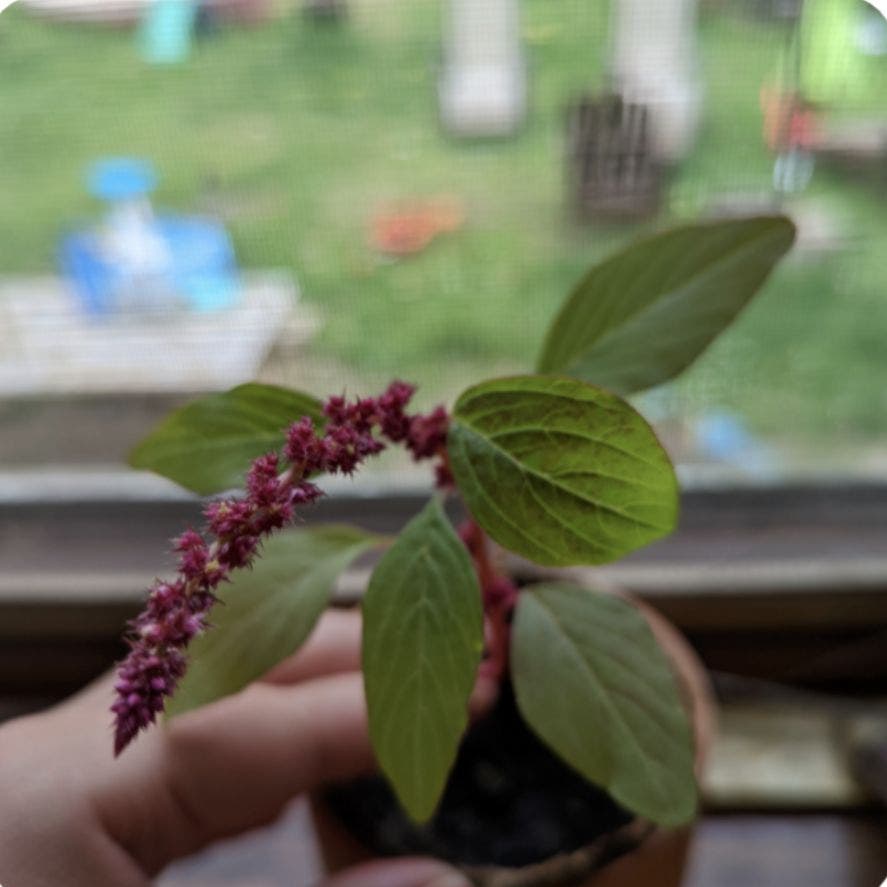
How Frequently Should I Water My Palmer Amaranth?
Amaranthus palmeri
By the Greg Editorial Team
Feb 02, 2024•4 min read
This article was created with the help of AI so we can cover more plants for you. May contain errors. See one? Report it here.
- Soil type matters: sandy drains fast, clay retains moisture.
- Seasonal watering: more in sprout/bloom, less in winter.
- Monitor and adapt: use finger test, watch for droopy/yellow leaves.
When to Hit the Watering Can
💧 Soil Talk: Moisture and Drainage
Soil's thirst directly dictates your Palmer Amaranth's watering schedule. Different soil types have unique water-holding capabilities; sandy soil drains quickly, while clay retains moisture longer.
🌱 Seasonal Sips: Growth Stages and Water Needs
During sprouting season, Palmer Amaranth's water needs are high, supporting rapid growth. In full bloom, consistent moisture is key. Summer heat ramps up watering frequency, while the winter chill calls for restraint. Adjust your watering to match these seasonal shifts.
Watering Wisdom: Setting Up Your Routine
🌱 Feeling the Earth: The Finger Test and Other Moisture Tricks
Dive straight into the dirt to gauge your Palmer Amaranth's thirst. The finger test is the old reliable: if the soil feels dry up to your first knuckle, it's time to water.
For those who prefer a more tech-savvy approach, moisture meters are your ally. They provide a digital readout of soil moisture, taking the guesswork out of the equation.
🌿 Plant Size and Environmental Vibes
Size matters when it comes to watering. Larger Palmer Amaranths may require more water, but always check the soil first.
Your local weather forecast isn't just for small talk; it's a crucial factor in your watering routine. High heat or dry air might mean more frequent watering, while a cool, damp week could give you and your watering can a break.
Avoiding the Extremes: Over and Underwatering Woes
🌊 The Dangers of Drowning Roots
Yellowing leaves and wilting despite wet soil are the silent screams of an overwatered Palmer Amaranth. Root rot follows, turning healthy roots into mushy disappointments. To avoid this, water only when the top inch of soil feels dry, not before.
🚱 How to Save Your Plant from a Soggy Fate
If overwatering has already happened, assess the damage. Trim away any rotten roots and repot into fresh, well-draining soil. Remember, it's about giving your plant a second chance, not just avoiding planticide.
🏜️ The Perils of Parched Plants
Crispy leaves are the tell-tale sign of underwatering. If the soil is as dry as a bone, it's time for a drink. Water slowly and thoroughly, allowing the soil to absorb moisture without becoming a swamp.
💦 Bouncing Back from the Brink: Rescue Tips for Thirsty Amaranths
For a parched Palmer Amaranth, rehydrate gradually. Use room temperature water to avoid shocking the system. If the plant is container-bound and drying out too fast, consider repotting into a container that retains moisture a bit longer. Keep an eye on the soil daily; if it's dry two inches down, it's time for water.
Keeping Your Palmer Amaranth Happy: Fine-Tuning Your Watering Tactics
🌿 Watch and Learn: The Plant's Tell-Tale Signs
Palmer Amaranth is a chatty plant, but you need to know its language. Droopy leaves? It's probably begging for water. Yellowing? You might be loving it a bit too much with your watering can. Adjust your watering based on these cues, not a rigid schedule.
🔄 Making Smart Adjustments: When to Switch Up Your Watering Strategy
Change your watering routine like you'd update your wardrobe for the season—intuitively. If your plant's leaves are less vibrant than your favorite shirt, it's time to reassess. Remember, the goal is a thriving, not just surviving, Palmer Amaranth.
Seasonal Shifts and Special Circumstances
🌡️ Adapting to the Unexpected: Dealing with Heat Waves and Cold Snaps
When the weather throws a curveball, your watering game needs to adapt. Heat wave? Your Palmer Amaranth will drink like there's no tomorrow. Cold snap? Ease up on the water, and let the soil dry out more between sessions.
🏖 Vacation Plans? How to Keep Your Palmer Amaranth Hydrated While You're Away
Leaving town? Don't leave your Palmer Amaranth high and dry. Set up a drip system or ask a plant-savvy friend to step in. Your green buddy should never have to fend for itself.
⚠️ Safety First
This content is for general information and may contain errors, omissions, or outdated details. It is not medical, veterinary advice, or an endorsement of therapeutic claims.
Always consult a qualified healthcare professional before using any plant as food, medicine, or supplement.
Never eat any plant (or feed one to pets) without confirming its identity with at least two trusted sources.
If you suspect poisoning, call Poison Control (800) 222-1222, the Pet Poison Helpline (800) 213-6680, or your local emergency service immediately.
Spotted an error? Please report it here.
Keep your Palmer Amaranth perfectly watered 💧 with Greg's personalized reminders that consider your soil type, weather, and the plant's seasonal needs.