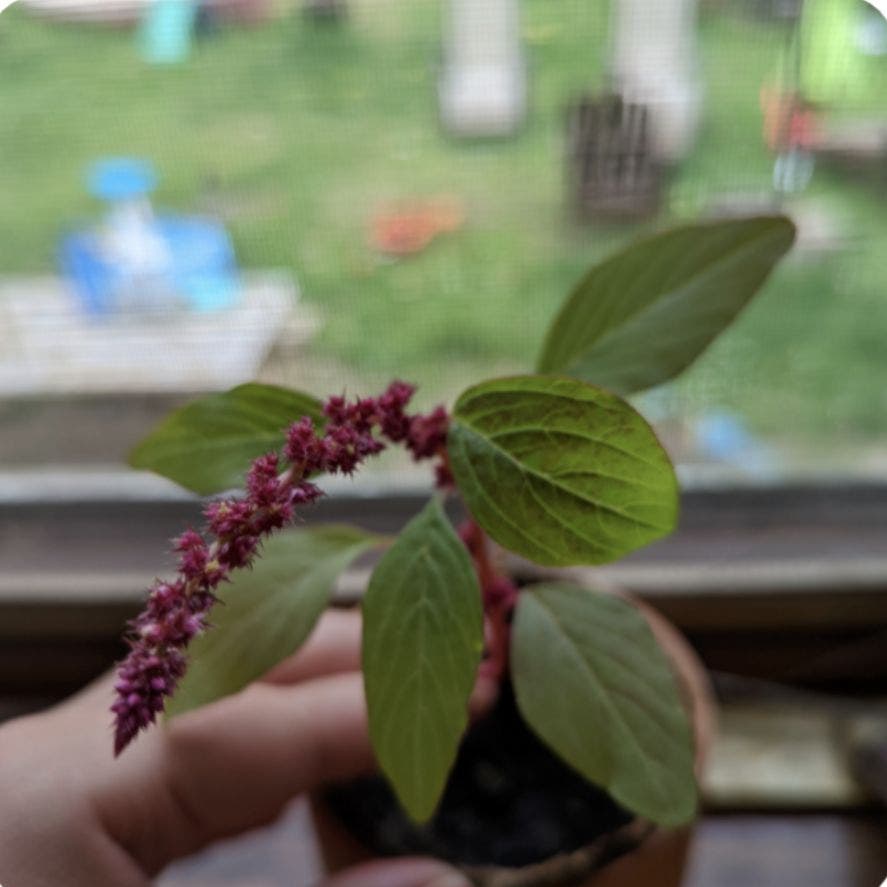
Common Palmer Amaranth Problems
Amaranthus palmeri
By the Greg Editorial Team
Feb 02, 2024•5 min read
This article was created with the help of AI so we can cover more plants for you. May contain errors. See one? Report it here.
- Over/under-watering? Look for yellow/black or wilted leaves and adjust watering.
- 🌞🌱 Light and temperature issues? Adjust exposure, watch for wilting/discoloration.
- 🐛 Pests or root rot? Use neem oil, improve airflow, and repot with drainage.
When Water Works Against You
💧 Spotting the Signs of Water Woes
Palmer Amaranth's vitality hinges on watering wisdom. Over-watering leaves the soil soggy, with a scent reminiscent of forgotten laundry. Leaves may turn a sickly yellow or black, while roots mimic overcooked noodles. Conversely, under-watering manifests as wilted leaves, dry to the touch, with browning tips—a plant's desperate plea for hydration.
Fine-Tuning Your Watering Routine
To achieve the perfect moisture balance, water Palmer Amaranth thoroughly yet slowly, allowing the soil to absorb the water without overwhelming the roots. Use room temperature water to avoid shocking the plant. Regularly check the soil; if it's dry two inches down, it's time for a drink. For container plants drying out too quickly, consider repotting into a slower-draining container. Remember, pests love a stressed plant, so maintaining a consistent watering schedule can also help keep critters at bay.
Light and Shade: Striking the Right Balance
💡 Decoding Light-Related Distress
Palmer Amaranth is a sun worshipper, but too much of a good thing can lead to sunburn. Look for bleached spots or crispy leaves as a sign to dial back on the light exposure. On the flip side, if your plant is stretching out like it's reaching for the sun, or sporting small, pale leaves, it's craving more rays.
💡 Lighting the Way to Recovery
Adjusting your Palmer Amaranth's light diet is key. If it's looking a bit sun-kissed (and not in a good way), move it to a spot with less direct sunlight. Conversely, a light-starved plant needs a sunnier location to thrive. Remember, it's not just about the amount of light, but also the quality. Aim for bright, indirect light that mimics the dappled sunlight of its natural habitat. If you're stuck with less-than-ideal lighting, consider using artificial lights like LEDs to supplement.
Temperature Tantrums: Keeping Your Plant Comfy
🍃 Reading the Leaves for Temperature Troubles
Palmer Amaranth is sensitive to temperature changes. Watch for wilting or discolored leaves, which indicate your plant is not in its happy zone. Browning leaves mean it's too hot, while stunted growth suggests it's too cold.
🌡️ Creating a Stable Plant Environment
Consistency is key for Palmer Amaranth's comfort. Avoid placing your plant near drafty areas or heat sources that can cause sudden temperature shifts. Use tools like thermostats to monitor the environment. Aim for a temperature range that mimics the plant's natural habitat. If you notice signs of distress, adjust the temperature gradually to avoid shocking the plant. Remember, a stable environment will prevent those temperature tantrums and keep your Palmer Amaranth thriving.
Bug Off! Dealing with Pests and Diseases
🐛 Unwanted Guests: Identifying Pests and Mold
Palmer Amaranth, like any plant, can become a magnet for pests and mold. Vigilance is key. Aphids, mealybugs, and spider mites are the usual suspects, often leaving behind telltale signs like sticky residue or webbing. Mold, on the other hand, manifests as discoloration or powdery spots on leaves. Regular leaf inspections can help spot these issues early.
🚪 The Path to a Pest-Free Plant
Neem oil and insecticidal soaps are your go-to for evicting pests. Apply with a no-nonsense attitude to affected areas. For mold, increase airflow and consider a fungicide, but don't just treat—prevent. Keep the environment dry and clean, because prevention is always less of a headache than cure. If you're eco-conscious, introduce predatory insects; they're nature's own pest control. Remember, a clean plant is a happy plant, so wipe those leaves and show pests the door.
Root of the Matter: Preventing and Treating Root Rot
🚨 Recognizing the Red Flags for Root Rot
Yellowing leaves and wilting may not just be your plant being dramatic—it could be crying out for help. Root rot in Palmer Amaranth is a stealthy killer, and the signs are often underground. If the soil smells like a marshland, and the roots look like they've been through a zombie apocalypse—blackened and mushy—it's time for you to step in.
🚑 Rescuing the Roots
Caught early, root rot can be a call to action rather than a death sentence. First, evict your plant from its pot like it's overstayed its welcome. Inspect the roots with the precision of a surgeon and prune the dead weight away. Remember, only healthy, firm roots should make the cut. Next, consider the crime scene: the soil. If it's clumping like wet sand at the beach, it's too dense. Mix in some perlite or coarse sand to get that airy, fluffy texture that roots adore.
Repot your plant in a pot that's just right—not too big, not too small, and absolutely with drainage holes. Think of terracotta or clay pots as the breathable cotton underwear for your plant's roots; they allow for quick drying and prevent moisture from overstaying its welcome. After the operation, monitor your patient closely. Water only when the top inch of soil feels like a summer's day in the Sahara—dry. This is no time for guesswork; use your finger as a moisture gauge.
Lastly, keep your tools cleaner than a germaphobe's kitchen. Sterilize those pruners before and after use to prevent spreading any unseen nasties. It's like being a superhero for your plant, with the power of foresight and a watering can.
⚠️ Safety First
This content is for general information and may contain errors, omissions, or outdated details. It is not medical, veterinary advice, or an endorsement of therapeutic claims.
Always consult a qualified healthcare professional before using any plant as food, medicine, or supplement.
Never eat any plant (or feed one to pets) without confirming its identity with at least two trusted sources.
If you suspect poisoning, call Poison Control (800) 222-1222, the Pet Poison Helpline (800) 213-6680, or your local emergency service immediately.
Spotted an error? Please report it here.
Ensure your Palmer Amaranth thrives with perfect balance ⚖️ by using Greg to monitor moisture levels and tap into a community of experts for personalized care tips.