🌱 3 Key Phases of Palmer Amaranth Development
Amaranthus palmeri
By the Greg Editorial Team
Nov 26, 2024•6 min read
This article was created with the help of AI so we can cover more plants for you. May contain errors. See one? Report it here.
- 🌱 Palmer Amaranth germinates best in warm soil (70°F to 95°F) with consistent moisture.
- 🌿 Growth stages include seedling, vegetative, and flowering, each needing specific conditions.
- 🌾 Effective management requires understanding its life cycle and environmental adaptability.
Germination Stage
🌱 Conditions for Germination
For Palmer Amaranth to sprout, it needs the right conditions. The optimal soil temperature ranges from 70°F to 95°F (21°C to 35°C), ensuring seeds can thrive.
Moisture is crucial, too. The top 1-2 inches of soil must remain consistently moist to support germination.
Light plays a role as well. While germination can happen in both light and dark, exposure to light may enhance the process, giving seeds a little extra boost.
⏳ Duration of Germination
Typically, germination takes about 5 to 10 days under ideal conditions. However, several factors can influence this timeframe.
Soil temperature, moisture levels, and seed viability are key players in determining how quickly seeds will sprout. Keeping these factors in check can lead to a successful germination phase, setting the stage for robust growth ahead.
As we move forward, understanding the seedling stage will reveal how these young plants begin to establish themselves.
Seedling Stage
🌱 Characteristics of Seedlings
Palmer Amaranth seedlings are easily recognizable. Their cotyledons are broad, green, and smooth, providing a strong start for the plant.
Shortly after germination, true leaves begin to develop. This rapid growth habit allows the seedlings to establish a robust root system quickly.
⏳ Duration of Seedling Stage
The seedling stage typically lasts between 2 to 3 weeks. During this time, environmental factors like soil nutrients and moisture availability play a crucial role in their development.
Optimal conditions can significantly enhance growth, ensuring these seedlings thrive as they transition to the next stage of their life cycle.
As we explore the vegetative growth stage, it’s fascinating to see how these seedlings evolve into vigorous plants.
Vegetative Growth Stage
🌱 Growth Characteristics
During the vegetative growth stage, Palmer Amaranth can reach impressive heights of up to 10 feet, showcasing a bushy appearance that makes it a formidable presence in any landscape. Its large, broad leaves can grow up to 12 inches long, providing ample surface area for photosynthesis.
The plant's ability to photosynthesize at high rates is a key factor in its rapid growth. With plenty of leaves soaking up sunlight, Palmer Amaranth thrives, making it a resilient competitor in various environments.
⏳ Duration of Vegetative Growth
Typically, the vegetative growth stage lasts between 3 to 6 weeks. This period is crucial for establishing a strong foundation before the plant transitions to flowering.
For optimal growth, Palmer Amaranth requires warm temperatures, adequate moisture, and nutrient-rich soil. These conditions not only support its rapid growth but also enhance its overall vigor, setting the stage for the next phases of development.
As we move forward, understanding the flowering stage will reveal how this remarkable plant continues to evolve and adapt.
Flowering Stage
🌸 Flower Development
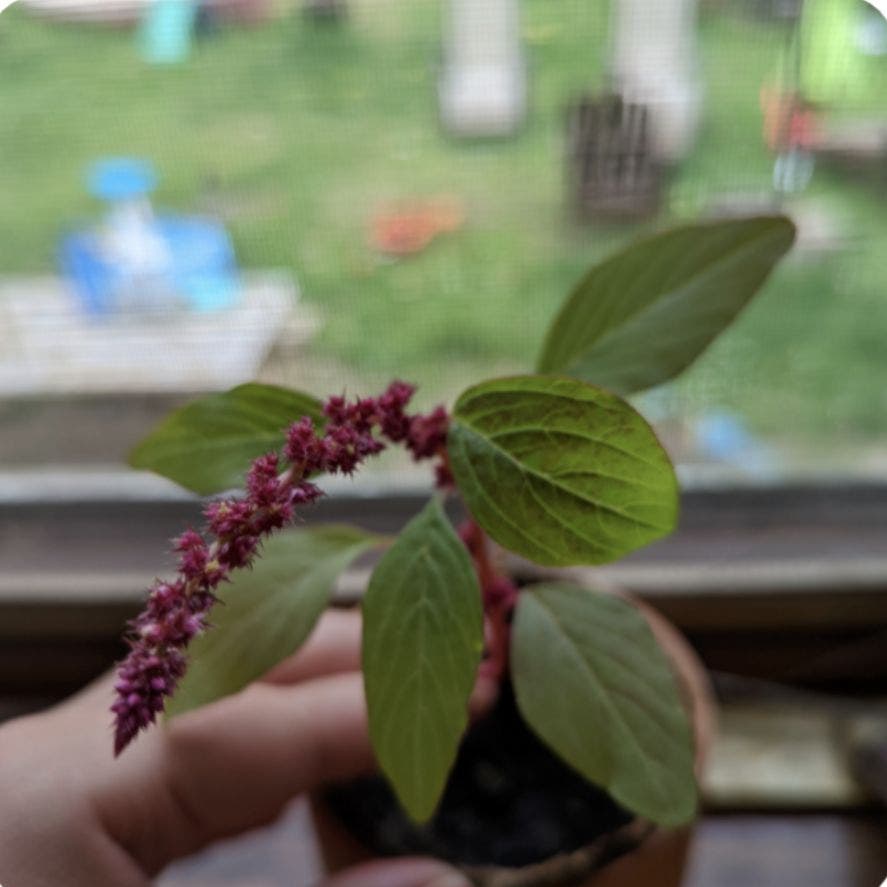
During the flowering stage, Palmer Amaranth produces small flowers that range from green to reddish hues. These flowers cluster densely, creating a striking visual display that signals the plant's reproductive phase.
Pollination plays a crucial role in this stage, as Palmer Amaranth is primarily wind-pollinated. This method of pollination contributes significantly to its ability to produce thousands of seeds, ensuring the continuation of its lifecycle.
⏳ Duration of Flowering
The flowering stage typically lasts between 2 to 4 weeks. This phase begins when the plant reaches maturity, which usually occurs around 6 weeks after germination.
Understanding the flowering stage is vital for managing Palmer Amaranth, especially in agricultural settings. Recognizing the timing and characteristics of this stage can help in implementing effective control measures.
As we transition to the next stage, it's essential to consider how the flowering phase sets the stage for seed production, which is critical for the plant's survival and spread.
Seed Production Stage
Seed Formation Process 🌱
During the seed production stage, Palmer Amaranth showcases its impressive reproductive capabilities. Seeds develop within dense flower clusters, and each plant can produce thousands of seeds, ensuring its survival and spread.
Seed dispersal is equally fascinating. These seeds can travel by wind, water, or even human activity, making them highly adaptable and capable of colonizing new areas quickly.
Duration of Seed Production ⏳
The seed production phase typically lasts between 2 to 4 weeks after flowering. This brief period is crucial for the plant's lifecycle, as it sets the stage for the next generation.
Several factors can affect seed viability during this time. Environmental conditions, such as temperature and moisture, along with genetic factors, play a significant role in determining how many seeds will successfully germinate and thrive.
As we explore the growth rate and maturation of Palmer Amaranth, we’ll see how these seeds contribute to the plant's rapid life cycle and resilience in various environments.
Growth Rate and Maturation
How long until fully grown? 🌱
Palmer Amaranth is a fast-growing plant that can reach full maturity in as little as six weeks under optimal conditions. This rapid maturation allows it to establish itself quickly in various environments.
How fast does it grow? ⚡️
During the vegetative stage, Palmer Amaranth exhibits impressive growth rates, often exceeding one inch per day. This vigorous growth is a key factor in its ability to compete with other plants.
Factors Affecting Growth Rate 🌍
Several factors influence the growth rate of Palmer Amaranth.
- Environmental Conditions: Temperature, moisture, and soil fertility play crucial roles in determining how quickly the plant grows.
- Competition: The presence of other plants can slow its growth, as resources become limited.
Understanding these dynamics is essential for managing Palmer Amaranth effectively. As we delve deeper into its life cycle, we’ll explore the notable changes that occur at each stage, revealing how this resilient plant adapts to its surroundings.
Notable Changes Throughout Life Cycle
🌱 Morphological Changes at Each Stage
As Palmer Amaranth progresses through its life cycle, it undergoes significant morphological changes. The transition from the seedling stage to the vegetative stage is marked by the shift from small cotyledons to large, bushy leaves that enhance photosynthesis.
In the flowering stage, the plant develops small, dense clusters of flowers. This leads to the seed production stage, where these clusters mature into thousands of seeds, ready for dispersal.
🌍 Environmental Adaptations
Palmer Amaranth is remarkably adaptable, thriving in disturbed soils and various environmental conditions. Its ability to resist drought and herbicides enables it to survive and compete effectively in challenging environments.
This resilience is a key factor in its widespread presence, making it a formidable weed in agricultural settings.
💧 Changes in Resource Requirements
Throughout its life cycle, Palmer Amaranth experiences notable changes in its resource requirements. Nutrient uptake significantly increases during the vegetative and reproductive stages, as the plant demands more resources to support its rapid growth.
Water needs also fluctuate, with higher demands during the flowering and seed production stages. Understanding these changes is crucial for effective management strategies in agricultural practices.
As we explore the growth rate and maturation of Palmer Amaranth, we’ll see how these factors influence its overall development and impact on the environment.
⚠️ Safety First
This content is for general information and may contain errors, omissions, or outdated details. It is not medical, veterinary advice, or an endorsement of therapeutic claims.
Always consult a qualified healthcare professional before using any plant as food, medicine, or supplement.
Never eat any plant (or feed one to pets) without confirming its identity with at least two trusted sources.
If you suspect poisoning, call Poison Control (800) 222-1222, the Pet Poison Helpline (800) 213-6680, or your local emergency service immediately.
Spotted an error? Please report it here.
Master the growth stages of Palmer Amaranth 🌱 with Greg's personalized care tips to optimize your plants' health while managing this formidable weed effectively!