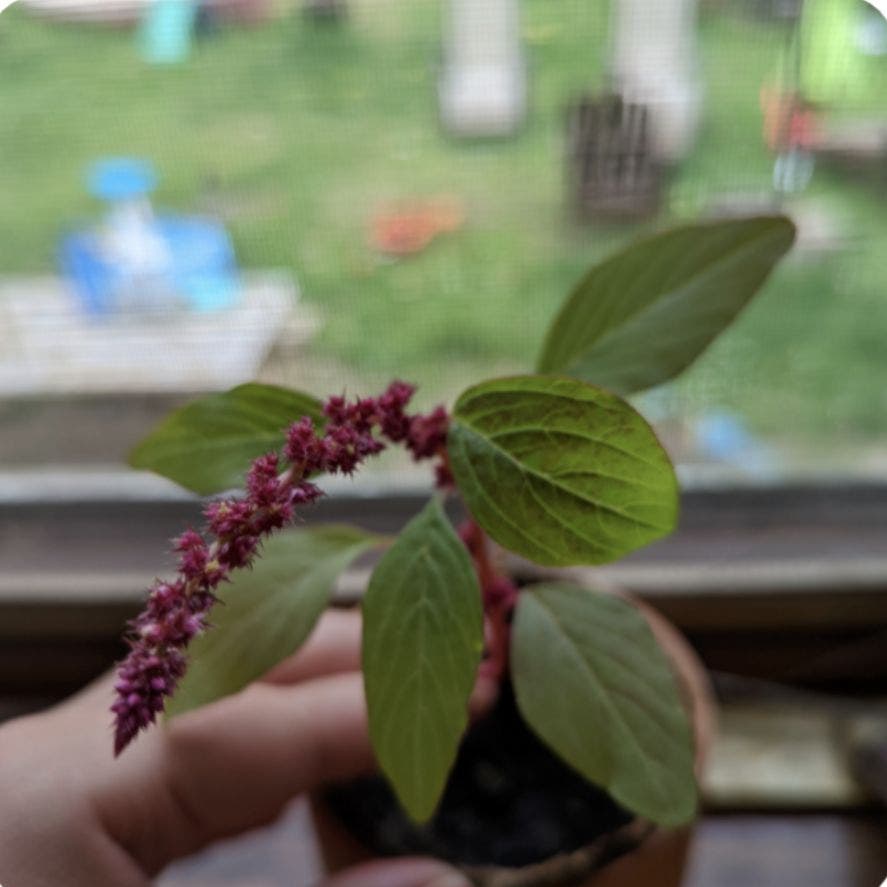
Should I Repot My Palmer Amaranth?
Amaranthus palmeri
By the Greg Editorial Team
Feb 02, 2024•4 min read
This article was created with the help of AI so we can cover more plants for you. May contain errors. See one? Report it here.
- Root-bound signs mean repot - roots circling or poking out.
- 🌱 Choose the right pot - terracotta, plastic, or fabric for health.
- Monitor post-repot - adjust watering and care for a happy plant.
Spot the Clues: When Your Plant is Begging for Space
🌱 Root Tango: Unraveling the Root-Bound Mystery
Root-bound symptoms are red flags; your Palmer Amaranth's roots should not resemble a bowl of spaghetti. If they're circling the pot base or poking out of drainage holes, it's time for a change. This isn't just a quirky plant behavior—it's a survival signal.
💧 Thirsty Much? Watering Woes as a Repotting Signal
When water zips through the soil like it's on a slip 'n slide, it's not just quirky—it's a sign of compacted roots. If your watering routine feels futile and the soil dries out too quickly, your plant's roots are likely too cramped to retain moisture properly.
🌱 Stunted Growth: The Silent Plea for a New Pot
If your Palmer Amaranth's growth has slowed to a snail's pace, don't just shrug it off. Stunted growth is a plant's non-verbal way of saying, "I need more room, stat!" A pot that's too small is like a straightjacket for roots, and your plant's health will be compromised without intervention.
Picking the Perfect Pot
🌱 Breathability and Drainage: Why It Matters
The health of your Palmer Amaranth's roots hinges on the pot's breathability and drainage. Terracotta pots, with their porous walls, offer a breath of fresh air to roots, preventing water from overstaying its welcome. Plastic pots, while kinder to your wallet, tend to invite moisture to linger, setting the stage for root rot if not monitored closely. Ceramic pots strike a balance, stylish yet functional, but only with the right drainage setup.
🏺 Material Showdown: Terracotta vs. Plastic vs. Fabric
Terracotta pots are the MVPs of moisture management, wicking away excess water and offering a steady stream of oxygen to your plant's roots. They're the gym shorts of the plant world—simple, effective, but they'll need more frequent watering due to their quick-drying nature.
Plastic pots are the lightweight contenders, easy to move but notorious for holding water like a sponge. They're a gamble—great for drought-prone plant parents but a potential swamp for the over-enthusiastic waterer.
Fabric pots are the newcomers, the breathable sneakers for your plant's roots. They promote air pruning, encourage healthy root growth, and are a solid choice if you're looking to avoid the root-bound blues.
Remember, regardless of material, drainage holes aren't up for debate—they're as essential as the air your plant breathes. And if you're dealing with a pot that's more sealed than a submarine, it's time to grab a drill or scout for a new home for your green buddy.
The Repotting Rodeo: A Step-by-Step Guide
🌱 Pre-Repot Prep: Setting the Stage for Success
Soil selection is crucial. Mix peat moss, perlite, and vermiculite for a well-draining substrate. It's the dream team for your Palmer Amaranth, ensuring aeration and moisture control. Shun garden soil—it's a no-go for indoor plants.
Prep your new pot by ensuring it's clean and a size up from the old one. Drainage holes are a must; cover them with coffee filters to prevent soil escape. Sterilize your tools—think scissors and trowels—like you're prepping for a plant surgery.
🌿 Gentle Transitions: Moving Your Plant with Care
Water your Palmer Amaranth a day before the move. This makes the root ball more pliable, akin to a warm-up stretch before a workout. When removing the plant, be gentle—treat it like a fragile antique.
If roots are root-bound, make vertical cuts to encourage new growth. In the new pot, lay an inch of your well-drained soil mix. Position the plant at the same depth as before, then fill with more soil, tapping the pot to settle it in without compacting. Remember, you're giving it space, not a haircut.
Post-Repot Pampering: Ensuring a Happy Plant
💦 The First Sips: Watering After Repotting
After the repotting dance, water your Palmer Amaranth thoroughly, but just this once. It's like hitting the reset button for the plant's roots. Then, play the waiting game and let the top inch of soil dry before the next watering session. Overwatering? That's the path to root rot city, so avoid it.
🌱 Settling In: Monitoring and Adjusting Post-Repot
Keep a hawk's eye on your green buddy. A bit of droopiness is the plant's way of saying, "I'm adjusting here!" But if the leaves are still sagging after a week, it's time for a care tweak. Yellow leaves? Too much water. Crispy leaves? Not enough. Rotate the pot now and then to ensure your plant doesn't develop a lopsided hairstyle. Remember, it's all about stability—no drastic changes in light or temperature. Just like us, plants need a moment to sulk before they bounce back.
⚠️ Safety First
This content is for general information and may contain errors, omissions, or outdated details. It is not medical, veterinary advice, or an endorsement of therapeutic claims.
Always consult a qualified healthcare professional before using any plant as food, medicine, or supplement.
Never eat any plant (or feed one to pets) without confirming its identity with at least two trusted sources.
If you suspect poisoning, call Poison Control (800) 222-1222, the Pet Poison Helpline (800) 213-6680, or your local emergency service immediately.
Spotted an error? Please report it here.
Ensure your Palmer Amaranth thrives after repotting by letting Greg track its health and adjust your watering schedule 🪴 based on its new needs.