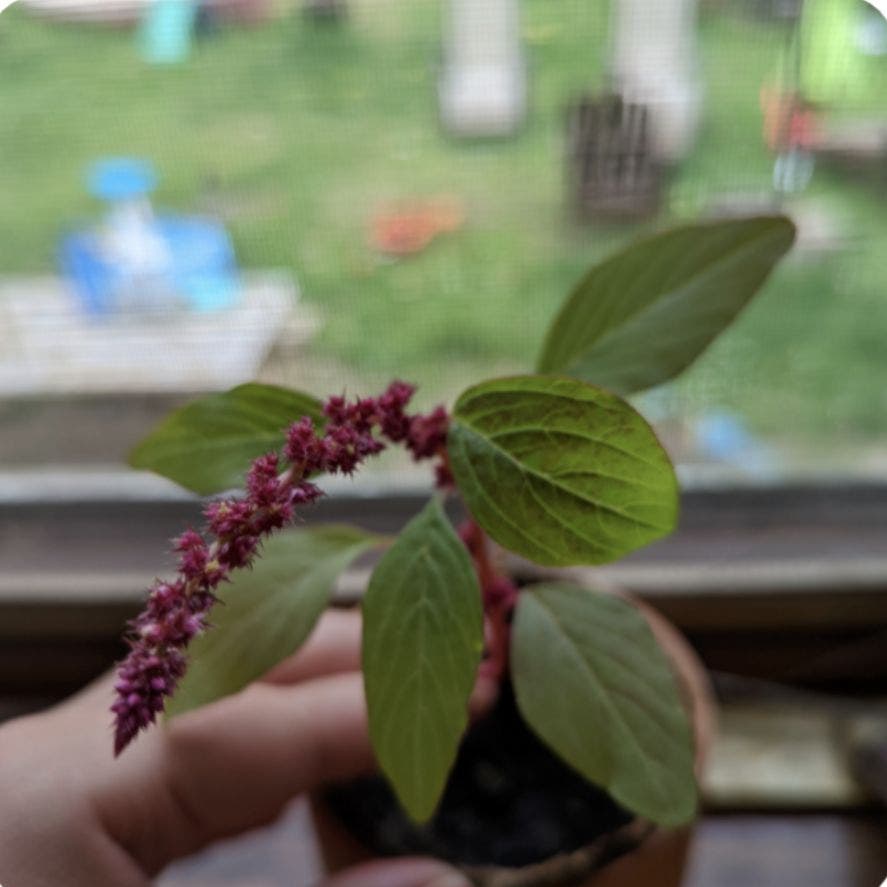
Diagnosing Palmer Amaranth Root Rot
Amaranthus palmeri
By the Greg Editorial Team
Feb 02, 2024•4 min read
This article was created with the help of AI so we can cover more plants for you. May contain errors. See one? Report it here.
- Wilting, yellowing, stunted growth signal Palmer Amaranth root rot.
- Inspect soil and roots; lab analysis for precise diagnosis.
- Prevent with crop rotation, sanitation, and proper watering.
Spotting the Red Flags: Symptoms of Root Rot in Palmer Amaranth
🚩 Visual Clues
Wilting, yellowing, and stunted growth are the unmistakable distress signals of Palmer Amaranth suffering from root rot. These symptoms should immediately trigger concern and prompt further investigation.
Healthy roots are typically firm and white, while unhealthy roots are often soft, brown, and can appear waterlogged. If the roots of your Palmer Amaranth resemble overcooked noodles, it's a clear indication that root rot has set in.
🌱 Beyond the Surface
The state of the soil can be a dead giveaway of root rot. Compacted or waterlogged soil is a breeding ground for the pathogens that cause this disease.
Environmental stressors, such as extreme temperatures or improper watering, can intensify the symptoms of root rot. It's crucial to recognize that these factors may not be the cause, but they can certainly exacerbate an existing condition.
Getting to the Root of the Problem: Diagnosing Root Rot
🕵️♂️ Soil and Root Inspection
Root rot in Palmer Amaranth can be a silent assassin, striking from below. To uncover the truth, you need to get your hands dirty—literally.
Checking Soil Conditions
Compacted or waterlogged soil is a red flag. Poke around the base of your plant. If the soil feels like a saturated sponge, your watering habits may need an intervention.
Inspecting the Roots
Time for a root reality check. Gently lift the plant and brush away the soil. Healthy roots should be firm and white, not brown and mushy. A foul smell? That's the distress signal of root rot.
🕵️♂️ Advanced Detective Work
Sometimes, the naked eye isn't enough. When root rot plays hide and seek, you need to call in the pros.
Lab Analysis
Send a soil sample to a local lab for analysis. They'll spot the fungal culprits, like Phytophthora or Pythium, that are wreaking havoc underground.
Interpreting Results
Once you have the lab results, it's time for a targeted attack. Understanding the specific pathogens at play allows you to choose the right fungicide and treatment strategy.
Turning the Tide: Treating Root Rot in Palmer Amaranth
🌱 Soil SOS
Improving soil drainage is non-negotiable. Mix in perlite or coarse sand to boost aeration. Raised beds can be a game-changer for waterlogged warriors.
Watering wisdom is key. Wait for the top inch of soil to dry out before giving your plants a drink. Use your finger, not a schedule, to gauge moisture.
💦 Fungicide to the Rescue
Selecting a fungicide is like picking your weapon in battle. Neem oil and biological fungicides are the eco-friendly choices. Rotate them to outsmart fungi.
Application technique matters. Don't just splash and dash; apply fungicides with precision and care. Follow label instructions like they're a treasure map to plant health.
Fortifying Defenses: Preventing Future Root Rot Outbreaks
🏰 Cultural Strongholds
Crop rotation and sanitation are your root rot nemesis. Like a good spy, change identities often; rotate crops to keep pathogens guessing. Sanitation? It's not just for hospitals. Keep your field clean like a dining table you'd eat off without a plate.
🚫 Keeping the Enemy at Bay
Waterlogged soil is a party invitation for root rot. Avoid it like you'd avoid a handshake during flu season. Ensure your soil drains like a champ and your plants won't drown in their own homes.
🛡️ Proactive Measures
Soil Mix Mastery
Crafting the perfect soil mix is like being a barista for plants; get the mix just right, and you'll brew up a thriving crop. Aim for a gritty, well-draining concoction that keeps water moving like a river, not a swamp.
🚧 Quarantine Protocols
Stop root rot before it gatecrashes your garden party. Quarantine new plants like they just returned from a voyage to the unknown. It's not unfriendly, it's smart gardening.
⚠️ Safety First
This content is for general information and may contain errors, omissions, or outdated details. It is not medical, veterinary advice, or an endorsement of therapeutic claims.
Always consult a qualified healthcare professional before using any plant as food, medicine, or supplement.
Never eat any plant (or feed one to pets) without confirming its identity with at least two trusted sources.
If you suspect poisoning, call Poison Control (800) 222-1222, the Pet Poison Helpline (800) 213-6680, or your local emergency service immediately.
Spotted an error? Please report it here.
Prevent root rot woes 🚫 in your Palmer Amaranth with Greg's precise watering schedule and a community of growers to keep your green friends thriving.